Origins of Diwali
Tracing the Legends That Illuminate the Festival of Lights

Meghana C
01 Nov 2024 • 4min
The Festival of Lights, known as Deepavali or Diwali, is one of the most cherished and widely celebrated festivals across India and the Indian diaspora. Two main origin stories have shaped the festival as we know it today, each adding its own cultural and spiritual richness.
Lord Rama and His Return to Ayodhya
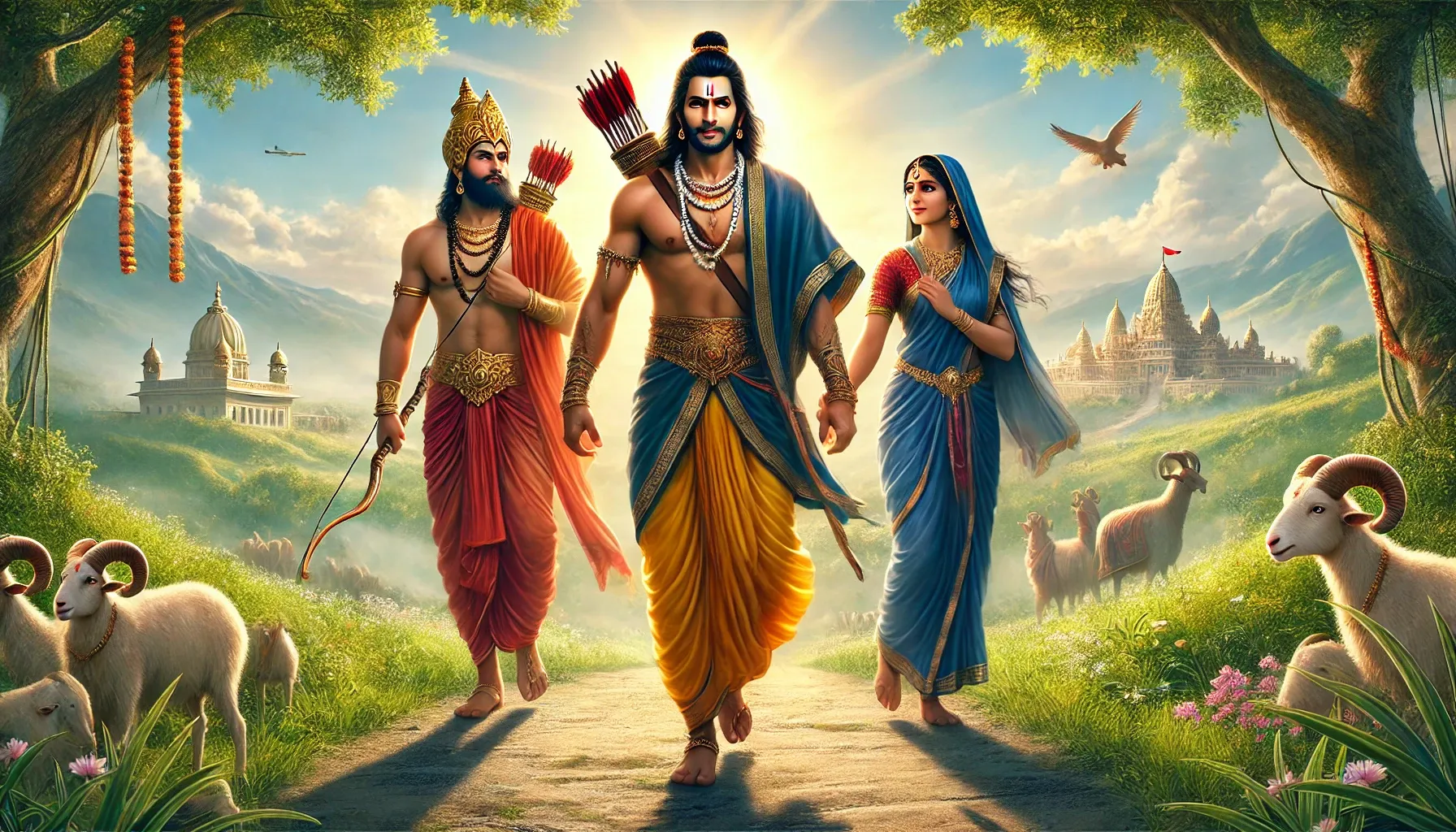
In many parts of India, especially in the north, Diwali is celebrated to honor the return of Lord Rama to his kingdom of Ayodhya.The story begins when Rama, the prince of Ayodhya, is exiled from his kingdom for fourteen years. He is accompanied by his wife, Sita, and his brother, Lakshmana, into the forest. During his time in exile, Rama faces numerous challenges, the most significant being the kidnapping of Sita by the powerful demon king Ravana. To rescue her, Rama, along with Lakshmana, forms an alliance with the monkey god Hanuman and his army, eventually defeating Ravana in a dramatic battle in Lanka.
When Rama finally returns to Ayodhya with Sita and Lakshmana, he is greeted with immense joy and celebration. The people of Ayodhya, eager to welcome their king, light rows of clay lamps, or diyas, along the path to guide him home. This act of illuminating the kingdom with lamps marks the triumph of good over evil and light over darkness, symbolizing Rama’s victory over Ravana and his safe return.
The Defeat of Narakasura by Lord Krishna
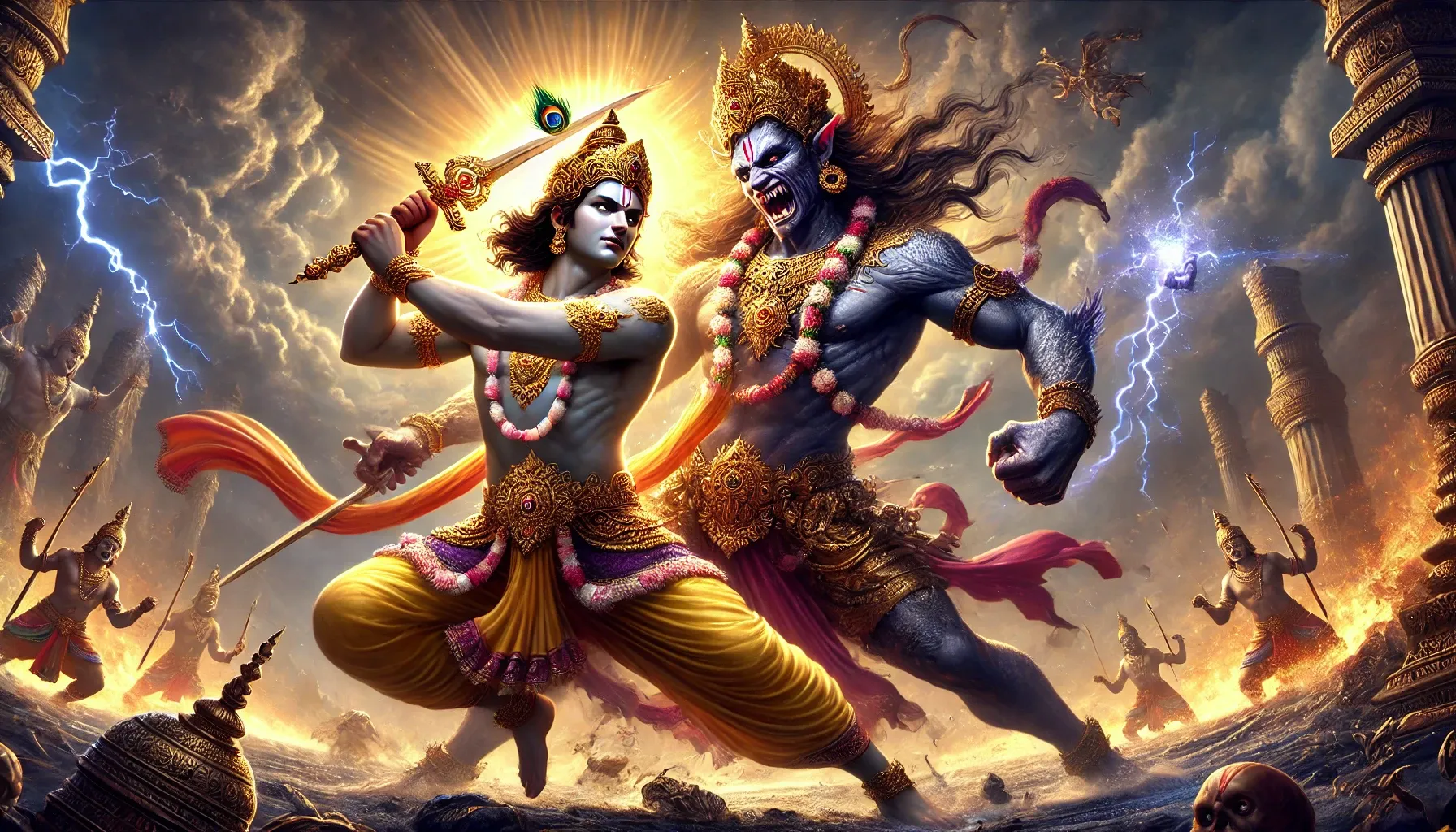
In the southern parts of India, Deepavali is celebrated for a different reason, tied to the legend of Lord Krishna and the demon king Narakasura. This story, lesser-known in northern regions, highlights a different kind of victory—the defeat of tyranny and oppression.
Narakasura, a demon king, was granted a boon by Lord Brahma that made him nearly invincible. But instead of using his power wisely, Narakasura became a terror to the people, using his strength to dominate and oppress. He enslaved thousands and amassed a horde of precious jewels and treasures. Over time, his tyranny became unbearable, and people across the land began praying for freedom from his cruel rule.
The task of vanquishing Narakasura eventually fell to Lord Krishna, the eighth avatar of Vishnu, and his wife Satyabhama. After an intense and epic battle, Krishna, with Satyabhama’s help, defeated Narakasura, freeing the people from his oppressive rule. The day of his defeat is celebrated as Naraka Chaturdashi, which is observed on the day before Diwali in many southern states.
Interestingly, it’s believed that Narakasura repented in his last moments, requesting that his death be remembered with joy and celebration. His wish was granted, and people commemorate his defeat by lighting lamps, bursting firecrackers, and sharing sweets.
At its core, Diwali is more than just a festival—it’s a celebration of life, love, and the triumph of hope over despair. Whether you’re lighting a diya, preparing a sweet treat, or spending time with family, remember that each small act of joy and kindness you create contributes to the festival’s enduring legacy.
Happy Diwali! May this Festival of Lights bring you and your loved ones peace, prosperity, and endless joy.

Related Articles