
Ojas: Ayurveda's Concept of Vitality and Resilience
The Essence of Life Force and Radiance

Abhilash Ramakrishna
21 Nov 2026 • 7min
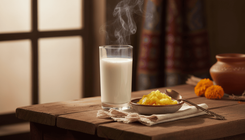
In Ayurveda, ojas is the end product of healthy digestion—the finest essence that sustains vitality, immunity and radiance throughout your body and mind. To understand ojas ayurveda meaning is to grasp why some people seem glowing and resilient while others tire easily and fall sick. Ojas is not something you take as a supplement; it is what your body produces when every stage of digestion and nourishment works as it should.
The word ojas comes from the Sanskrit root meaning "to burn" or "to shine", and in classical texts it represents the deepest reserve of energy that sustains life itself. In Ayurveda's framework, all food passes through a series of transformations. After you eat, the digestive fire breaks food into chyle, which then transforms into blood, muscle, fat, bone, marrow and finally ojas. This last stage produces only a small quantity—ancient texts speak of ojas in terms of drops rather than cups—because it is the purest distillation of nourishment your body can make.



What Ojas Does in Your Body
Ojas works in three main ways. First, it gives you physical vitality—the stamina to work and move without exhaustion, and the strength your organs need to function. Second, it builds immunity: a person with strong ojas resists infection and recovers quickly from illness. Third, it creates radiance: skin glows, eyes shine, and there is a steadiness of presence that others notice. When ojas is low, you feel depleted and prone to getting unwell. When it is strong, you feel alive from within.
Ayurveda teaches that ojas flows through channels called rasavahi srotamsi and permeates all tissues. It is connected to the heart chakra in yoga philosophy. In the body, the heart is where ojas gathers and distributes its vitality. The classical text Charaka Samhita describes ojas as existing in two forms: para ojas, which sustains life itself and lives in the heart, and apara ojas, which moves through the body nourishing all tissues. When para ojas becomes depleted, the texts say, life itself comes into danger.
How Ojas Gets Depleted
Several common patterns weaken ojas in modern life. Chronic stress burns through your reserves faster than rest can replenish them. Irregular sleep and late nights disturb the natural rhythms that allow digestion and nourishment to work properly. Eating too quickly, eating foods that are hard to digest, or eating at times when your digestive fire is weak all mean your body cannot produce ojas from what you consume. Excessive work without rest, intense worry, and suppressing natural urges also drain ojas.
Eating only light, dry or cold foods starves the body of the substantial nourishment it needs to make ojas. Overindulgence in stimulating foods or herbs, or consuming too much caffeine, can burn through ojas even as you feel energised. Seasonal imbalance—getting caught in cold, damp weather without proper clothing and nourishment—depletes ojas. Even excessive fasting or extreme exercise without proper recovery will consume your reserves. The pattern is clear: anything that exhausts you without giving the body time and resources to rebuild ojas will eventually show up as fatigue, repeated illness or a loss of that inner glow.
Building and Preserving Ojas
To build ojas, you work backwards through the same chain of digestion. First, eat foods that are nourishing and easy for your body to digest. In Ayurveda, this means warm, well-cooked foods with healthy fats: ghee, sesame oil, and coconut oil help your body extract maximum nourishment. Milk, rice, wheat, dates, nuts and properly prepared legumes are classic ojas-building foods. Avoid eating when you are not hungry or when you are stressed, and never eat when your last meal has not fully digested.
Second, protect your digestion by eating at regular times and in the right quantities for your constitution. A person of vata constitution might need more frequent, grounding meals; a pitta constitution does well with cooling, regular eating; a kapha constitution benefits from warm, lighter food that does not feel heavy. The time of year matters too: spring and early summer naturally support lighter eating, while autumn and winter are times to build ojas with warming, nourishing foods.
Third, give your body enough rest. Sleep is when most tissue repair and rebuilding happens. In Ayurveda, early sleep—between 8 and 10 pm—is considered the most restful. A consistent bedtime and wake time support the body's natural rhythms. Eight hours of sleep is considered normal, and some constitutions need more, especially when ojas is depleted.
Fourth, create stability in your life. Regular routines for waking, eating, work and rest allow your digestion to anticipate and prepare itself. Too much change and stimulation taxes your nervous system and burns through reserves. Practices like meditation and gentle yoga preserve ojas by calming the mind. Walking slowly in nature, spending time with people you love, and engaging in creative pursuits that bring you joy all support ojas.
Ojas and Your Constitution
Ojas is universal, but how quickly your body can build it depends on your dosha—your constitutional balance of vata, pitta and kapha. Kapha constitution naturally builds and holds ojas more easily, because kapha's quality is dense, stable and nourishing. Pitta constitution builds ojas more slowly and can burn through it quickly with excessive heat, work or stimulation. Vata constitution struggles most: its light, dry, mobile quality means ojas depletes easily and needs steady, consistent replenishment.
This is why personalised guidance matters in Ayurveda. What builds ojas for a kapha person might overwhelm them. What preserves ojas for a vata person might feel stagnating for a pitta person. An Ayurvedic practitioner can help you understand your constitution and design a rhythm of eating, sleeping and activity that supports ojas according to your nature.
Ojas in Seasonal and Life Cycles
Ojas naturally fluctuates across your life and the year. In childhood and early adulthood, ojas builds readily from good food and rest. In midlife, with many responsibilities and often less sleep, ojas becomes harder to maintain. In older age, building ojas becomes more important again, as it sustains the body's ability to resist disease and maintain strength.
Seasonal changes affect ojas too. Winter is naturally a time to build ojas, because the body wants warming, nourishing food and more rest. Summer's heat and activity can deplete ojas if you do not adjust your routine. Transition seasons require particular attention: the wind of autumn and the damp cold of early spring both disturb digestion and can weaken ojas reserves. Recognising these patterns and adjusting your food, sleep and activity seasonally is part of how Ayurveda helps you maintain vitality across your whole life.
Common questions
Can you increase ojas through supplements or tonics?
Supplements may support digestion, but ojas is built only by your own body through proper digestion of nourishing food. Tonics like ashwagandha, shatavari or chyawanprash can support the body's capacity to build ojas, but they are not ojas itself. The foundation is always regular eating, good digestion and adequate rest.
How long does it take to rebuild depleted ojas?
Ojas rebuilds slowly. Most texts suggest that consistent, proper nourishment and rest will begin to show effects in 3 to 6 weeks, but recovering strong ojas after serious depletion typically takes several months. The longer ojas has been depleted, the longer it takes to rebuild.
What are the signs that my ojas is low?
Low ojas shows as persistent fatigue that rest does not cure, frequent colds or infections, loss of glow and radiance in the skin, weak immunity, difficulty with memory or focus, and a general sense of depletion. In Ayurveda, these signs indicate the need for nourishing, grounding food, more sleep, and less stimulation.

Related Articles


