
Nag Panchami: The Festival Honoring Serpents
Serpents as Divine Guardians, Past and Present

Aditya Pandey
10 Nov 2026 • 7min
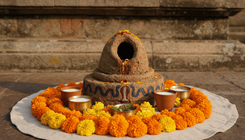
Nag Panchami is celebrated on the fifth day of the lunar month of Shravan (which usually falls between July and August), and it is a day dedicated to honouring nagas—divine serpent beings that hold deep meaning across Hindu, Buddhist and Jain traditions. On this day, people across India worship serpents, both the literal snakes in their gardens and homes, and the cosmic nagas that appear in mythology and spiritual practice. The nag panchami meaning goes beyond simple animal reverence: it honours the sacred power these beings embody in the universe.



The Nag Panchami Story
The nag panchami story is rooted in Hindu mythology, and several episodes have shaped the festival. One widely remembered account involves Krishna and the serpent Kaliya. According to the Bhagavata Purana, the young Krishna encountered Kaliya, a five-headed serpent who had poisoned the waters of the Yamuna river and terrorised the cowherd community. Krishna danced on Kaliya's heads, subduing the serpent and turning his destructive energy toward devotion. Kaliya eventually bowed to Krishna and accepted his authority. This story represents the transformation of primal, untamed power into spiritual service.
Another account recalls the serpents and the churning of the cosmic ocean. During the Samudra Manthan, nagas played a crucial role in the creation of divine substances. Vasuki, the king of serpents, served as the rope used to churn the ocean. These stories place serpents at the centre of cosmic events, not as mere creatures but as forces essential to maintaining balance and order.
The festival itself connects most closely to an incident in which devotion to nagas prevents harm. Many families recall how honouring serpents with care and ritual has historically brought protection. This is why offerings are made and serpents are treated with reverence—not from fear alone, but from recognition of the sacred within them.
Why Serpents Matter in Hindu Belief
In Hindu philosophy, serpents represent several interconnected ideas. The snake sheds its skin and is reborn, making it a symbol of transformation and renewal. This cycle aligns with concepts of reincarnation and spiritual evolution central to Dharma.
The serpent also embodies primal creative energy. In yoga practice, kundalini—often visualised as a coiled serpent at the base of the spine—is the subtle life force that practitioners awaken through discipline and meditation. This same energy, in dormant form, sustains all beings. Acknowledging nagas on Nag Panchami is partly a recognition of this power within ourselves and the natural world.
Nagas guard treasures both material and spiritual. In temple iconography and mythology, they are depicted as protectors of sacred places, water sources and hidden knowledge. The serpent's association with water—living in wells, rivers and underground springs—connects them to fertility, sustenance and the flow of life itself. In agricultural societies, water is survival, and nagas became guardians of this essential resource.
Serpents also appear as intermediaries between the divine and earthly realms. Shesha, the cosmic serpent, is said to support all worlds on its hood. Ananta, meaning "infinite", is another name for this primordial serpent. Such imagery places nagas in a cosmological role far beyond the animal kingdom.
Nag Panchami Customs Across India
On Nag Panchami, customs vary by region but share the core principle of honouring serpents. In many parts of North and Central India, devotees visit temples dedicated to nagas and offer milk, sometimes mixed with rice or honey. The milk offering is an act of care and reverence; in earlier times, it would have been a precious gift. Flowers, particularly marigold, are laid at shrines, and prayers are recited for the protection and well-being of the household.
In some regions, people draw serpent symbols—often cobra heads or simple S-shapes—on doorways and walls using turmeric paste or vermillion. These drawings mark the home as under the protection of nagas. This practice is especially common in Maharashtra, Karnataka and parts of Rajasthan.
In many households, eating certain foods is avoided on this day as a mark of respect. Some regions observe a mild fast or limit salt in their meals. The intention is to create a sense of discipline and mindfulness rather than deprivation.
Temple rituals on Nag Panchami often involve elaborate puja ceremonies where priests chant mantras honouring the nagas. At temples dedicated to serpent deities like Manasa Devi or Vasuki, crowds gather for darshan and to witness special offerings. In some temples, living snakes may be housed and cared for as sacred beings, though modern animal welfare practices inform how these are now managed.
A distinct custom in some regions involves creating small shrines from mounds of earth and flowers, shaped like a serpent or decorated with serpent motifs. These are set up at home or in courtyards, and family members offer prayers there throughout the day.
Nag Devata and Local Worship
The term nag devata—naga deity—encompasses both major nagas known across India and regional serpent deities worshipped in specific areas. Manasa, the serpent goddess, is venerated particularly in Bengal and Assam, where she is celebrated during the monsoon season. Stories of Manasa's struggles for recognition and her eventual triumph are told through song and ritual. Her association with protection from snake bites and cures for poison gave her special significance in communities where snakes were a daily presence.
In South India, serpent worship takes forms influenced by the Tamil and Dravidian traditions. Local nagas are honoured through rituals that may differ in style from North Indian practices but carry the same spirit of reverence and gratitude. Some villages have specific clan deities associated with serpents, and Nag Panchami becomes a day to renew these connections.
In parts of the Himalayan region, nagas are linked to water sources and mountain sanctuaries. Worship often centres on springs, streams and lakes where naga shrines stand. The serpent, in these contexts, is the guardian of these precious waters and the life they sustain.
This diversity of practice shows that Nag Panchami is not a single rigid observance but a festival expressed through local colour and history while honouring a shared principle: that serpents and the cosmic forces they represent deserve recognition and gratitude.
Living with Serpents Today
Nag Panchami also carries practical wisdom for living alongside snakes. In a country where snakes and humans share space, the festival encourages compassion over violence. Traditionally, killing a snake—particularly a cobra—is seen as a grave transgression. Instead, the right response to an encounter is to move carefully, give the snake space, and allow it to retreat.
Many communities have knowledge keepers who teach safe coexistence with snakes. This knowledge is not separate from the spiritual reverence shown on Nag Panchami; they flow from the same understanding that snakes belong to the world and deserve to survive in it. Some families leave saucers of milk or water outside their homes not only as ritual but as practical sustenance for creatures in their environment.
The festival, when practised with awareness, becomes a moment to reflect on how humans and wildlife can share the world with mutual respect. This aligns with broader principles of ahimsa—non-harm—that thread through Hindu philosophy and daily practice.
Common questions
When is Nag Panchami celebrated each year?
Nag Panchami falls on the fifth day of the lunar month of Shravan, which usually occurs between mid-July and mid-August. The exact date shifts each year with the lunar calendar, so check your local panchanga or temple calendar for the precise date in your region.
Is it safe to leave milk offerings outside for snakes?
Milk itself is safe for snakes to drink, but leaving large quantities attracts other animals and can encourage unwanted visits. A small, shallow saucer placed respectfully once in the morning is better than leaving food regularly. Many now offer milk at home shrines instead, honouring the tradition while practising responsible care.
What should I do if I see a snake in my home on Nag Panchami?
Remain calm and create an exit route by opening doors or windows. Give the snake space to leave on its own—most snakes will do so when given the opportunity. Call a local wildlife rescue if the snake does not leave or if you feel unsafe. Harming or trapping the snake contradicts the spirit of Nag Panchami, which teaches respect and coexistence.

Related Articles


