Mokshada Ekadashi 2026: The Vrat Linked With Liberation
The Fast That Opens the Door to Freedom

Aditya Pandey
21 Oct 2026 • 6min
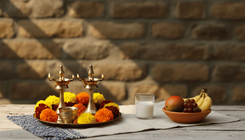
Mokshada Ekadashi is named for one reason: the belief that observing this fast can lead directly to moksha, or spiritual liberation. It falls on the eleventh lunar day (Ekadashi) in the waxing phase of the moon during the month of Margashirsha, typically in November or December. Of all the Ekadashi fasts observed through the year, Mokshada Ekadashi is considered the most potent for seeking release from the cycle of birth and death.
The name itself tells you what you need to know. Moksha means liberation, and da means giver. This is the Ekadashi believed to grant what seekers have worked toward through many lifetimes. The scriptures do not claim the fast alone guarantees liberation, but rather that sincere observance, combined with devotion and awareness, can open the way.



Why Mokshada Ekadashi Holds This Significance
The spiritual weight of Mokshada Ekadashi rests on both tradition and the qualities ascribed to the month in which it falls. Margashirsha is considered one of the most auspicious months in the lunar year, a time when the veil between the material and spiritual worlds is thought to thin. Fasting on Ekadashi is already a practice Hindus use to purify the body and quieten the mind, making space for spiritual work. When these two forces meet—the sacred month and the sacred lunar day—the potential for inner transformation is believed to multiply.
The fast is also dedicated to Vishnu, the preserver deity, and many practitioners invoke Krishna as well, since the Gita Jayanti (the anniversary of Lord Krishna teaching the Bhagavad Gita) sometimes falls on or near Mokshada Ekadashi. The connection deepens the spiritual intention: Vishnu represents the maintenance of dharma and order in the universe, while the Gita offers the teaching of karma, duty and the path to liberation that Arjuna received on the battlefield of Kurukshetra.
How Ekadashi Fasting Works in Practice
An Ekadashi vrat is not a single day. It begins on the evening before the Ekadashi lunar day and ends the next morning after sunrise, once you have eaten. Some practitioners extend the fast to two full days, eating only after the vrat concludes. The basic rule is simple: no grains, no legumes, and for strict observers, no animal products.
Many people eat fruits, vegetables, milk products, nuts and root vegetables during Ekadashi. The constraint matters less than the intention. What matters is that you are consciously withdrawing from ordinary eating as an act of focus. When your stomach is not occupied with digestion, your mind becomes lighter and more receptive. This is why fasting has been a tool in every spiritual tradition: it creates a space where something other than the everyday can be heard.
On Mokshada Ekadashi, many people wake early, bathe, and spend time in prayer or meditation. Some visit a Vishnu temple if one is near, or they maintain a home altar. The fast is often kept in silence or with minimal conversation. The evening before is spent preparing simple foods for after the fast ends, so that you are not tempted to overindulge when hunger returns.
What Makes Mokshada Ekadashi Different
Mokshada Ekadashi carries a particular invitation: to contemplate what liberation means to you. Moksha is not escape from the world. In Hindu philosophy, it is the end of the cycle of karma, the state of knowing your true nature, which is never separate from the divine. You do not have to believe this in order to fast, but holding this intention can deepen the practice.
The month of Margashirsha is also the time of winter, when days shorten and the natural world withdraws inward. This mirrors an inner movement: the time asks you to look within. For this reason, Mokshada Ekadashi is a moment many use not just for fasting but for a simple retreat—a day set apart from work if possible, a day to read scripture, to sit with your thoughts, or simply to rest without distraction.
Some regions follow slightly different customs. In parts of South India, the day is observed with particular reverence for Krishna, while in other parts it is marked more as a general Vishnu observance. The lunar calendar means the date shifts each year, but the spiritual purpose remains steady.
Finding the Date and Preparing to Observe
Mokshada Ekadashi 2026 will fall on the Ekadashi in the waxing moon of Margashirsha. To find the exact date for your region, you will need to check a current Panchanga (the Hindu lunar calendar) or ask at a local temple. Calendar apps designed for Hindu festivals also carry this information. Do not rely on a date from a previous year; the lunar calendar does not repeat annually.
Preparation begins a few days before. If you normally eat meat or fish, consider moving away from these foods in the days leading up to the vrat, so that your body adjusts gradually. Decide whether you will fast completely or eat light foods, and gather what you will need. If fasting is new to you, eating fruit, milk and nuts is a gentle way to begin.
On the morning of the vrat, bathe if you can, set an intention for the day, and begin your fast. You might spend time reading the Bhagavad Gita or a passage from another sacred text, or you might sit quietly. There is no single right way. The point is that you are choosing to step outside your ordinary rhythm for a day, with the intention of drawing closer to what matters most to you—whether that is devotion to Vishnu, spiritual growth, or simply the pursuit of inner peace.
When the fast ends the next morning after sunrise, eat simply. Some people offer food at an altar first, then eat. Others share the meal with family. The fast is complete, but the clarity and lightness you may feel can extend into the days that follow if you continue to hold the intention you set.
Common questions
What is the exact date of Mokshada Ekadashi in 2026?
Mokshada Ekadashi falls on the Ekadashi in the waxing moon of Margashirsha, which typically occurs in November or December. The precise date depends on your location and the lunar calendar; check a current Panchanga or temple calendar for your region's exact date.
Can I eat anything during Mokshada Ekadashi fast?
Most observers avoid grains and legumes. Fruits, vegetables, milk products, nuts and root vegetables are usually permitted. Some practitioners eat only fruit, milk and honey, while others keep a complete fast with no food. Choose the practice that feels right for your health and experience.
Is Mokshada Ekadashi observed differently in different parts of India?
While the core practice is fasting on the Ekadashi, regional customs vary. Some areas emphasize Krishna worship alongside Vishnu, while others focus primarily on Vishnu. The lunar date remains the same everywhere, but how it is marked may differ by region and sampradaya.

Related Articles