
Modak: Ganesha's Favourite Offering and Why It Matters
The Sweet Wisdom Behind Ganesha's Most Beloved Prasad

Sunil Chaurasia
14 Nov 2026 • 6min
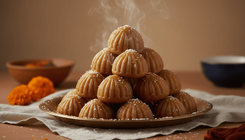
Modak is the sweet most closely linked to Ganesha—so much so that it is often called the god's favourite offering. You will find modak at Ganesha Chaturthi celebrations, at temple pujas, and in homes where people worship Ganesha year-round. But modak is more than a dessert made for the occasion. It holds a place in the tradition because of what it represents, and because of a story told in the scriptures about why Ganesha loves it.



The Story of Modak and Ganesha
According to the tradition, Ganesha's preference for modak comes from a tale found in the Mudgala Purana. In this story, when Ganesha was young, he once came home exhausted after a long day of removing obstacles for devotees and protecting the earth. His mother, Parvati, wanted to refresh and nourish him. She made modak—a sweet dumpling of rice, jaggery, coconut and ghee—and offered it to her son. Ganesha ate the modak and was so delighted by it that he declared it his favourite offering. From that moment, modak became the sweet most auspicious to offer him.
This is not simply a story about Ganesha's taste in food. It speaks to something deeper: the idea that even the divine needs care, rest, and nourishment. It reflects the relationship between mother and child, and the simple act of feeding someone you love. By offering modak to Ganesha, a person is not just giving a gift; they are recreating this moment of love and devotion.
Why Modak Became the Sacred Sweet
Modak holds significance in Hindu tradition because of what goes into it. The main ingredients—rice flour, jaggery, coconut, and ghee—are all considered pure and sattvic in Ayurveda, meaning they bring clarity and calm to the mind and body. Each ingredient carries meaning. Rice is a staple of life. Jaggery symbolises sweetness and abundance. Coconut is considered a fruit of fertility and prosperity. Ghee is sacred in ritual and used in offerings to all deities. When these come together in modak, they create something that is at once simple and auspicious.
The shape of modak also matters. It is made by pressing the dough and filling into a mould, creating a ridged, dome-like form. Some say this shape resembles a small temple or sanctum. Others see in it the brain—a symbol of intellect and wisdom—which is fitting for Ganesha, the remover of obstacles and lord of beginnings, to whom we pray before starting any task that requires wisdom.
Modak is labour-intensive to make, which is itself meaningful. It cannot be rushed. Each modak requires thought and care. This is why making modak by hand is considered more auspicious than simply buying it ready-made, though eating modak offered by another devotee is equally sacred.
Regional Variations and Customs
Modak is made across India, but the recipe changes by region and even by family. In Maharashtra, the most common form is ukadiche modak—steamed modak with a filling of jaggery, coconut and roasted gram flour. This is the version most people picture when they think of modak. It is softer and more delicate than other forms.
In southern India, especially in Karnataka and Tamil Nadu, modak is sometimes made with a harder outer shell, more like a sweet dumpling, and is sometimes fried rather than steamed. The filling may include sesame seeds or peanuts alongside the coconut. Each version reflects the climate and crops of its region, yet all carry the same respect and purpose.
Some families make modak only on Ganesha Chaturthi, the festival dedicated to Ganesha. Others prepare it for Ganesha pujas held throughout the year. In homes where Ganesha is worshipped daily, modak may appear on his altar regularly, or on special days like Tuesdays, which are considered auspicious for Ganesha.
Modak in Ritual and Celebration
When modak is offered to Ganesha in a puja, it follows a specific order. Other offerings come first—flowers, water, incense, and a naivedya (food offering) of lighter items. Modak usually comes at the end, as the main prasad, the blessed food that the deity has accepted and which devotees then eat as a blessing. This placement shows its importance; it is the gift most intimate to the god.
During Ganesha Chaturthi, families make modak to offer in their homes and to share with friends and neighbours. This sharing is deliberate. By giving modak made by your own hands, you are offering not just food but the time, care and devotion that went into making it. This is why homemade modak is valued so highly, even when bought versions are available.
In temples, especially those dedicated to Ganesha, large quantities of modak are made during the festival and distributed as prasad to thousands of devotees. The act of serving modak in a temple is itself a ritual of devotion.
The Meaning Behind the Offering
Offering modak to Ganesha is ultimately about gratitude and love. When you make or offer modak, you are saying thank you to Ganesha for his blessings and guidance. You are also inviting him into your home and your life, asking for his wisdom at the beginning of any new venture, any new phase of life.
The act connects you to centuries of devotees who have made the same offering. It places you in a line that goes back to Parvati in the kitchen of Mount Kailash, to countless mothers who have made modak for their children, and to the tradition that has held this sweet sacred. Whether you make modak every year or taste it once during a festival, the sweetness carries the same intention: devotion, care, and the belief that the divine is present in the simple, good things we make with our hands.
Common questions
Is homemade modak more important than buying it from a shop?
Making modak by hand is considered more auspicious because the care and time you invest carry devotion into the offering. However, eating modak offered by another devotee—whether homemade or purchased—is equally sacred. What matters is the intention and respect behind the offering.
Can you offer modak to Ganesha on days other than Ganesha Chaturthi?
Yes, modak can be offered to Ganesha at any time. Many people make modak for regular Ganesha pujas throughout the year, and in homes where Ganesha is worshipped daily, it may appear on his altar regularly. Tuesday is considered especially auspicious for Ganesha offerings.
What is the difference between modak and other Ganesha sweets?
Modak is specific to Ganesha because of the mythology linking it to him. While other sweets like laddoo or kheer may be offered to Ganesha or other deities, modak holds a unique place in tradition as the sweet most closely identified with him. The labour-intensive handmade process and the combination of ingredients also give modak its distinctive sacred status.

Related Articles


