Matsyasana (Fish Pose)
Yogasana for posture correction
Shanti Arunkumar
20 May 2025 • 6min
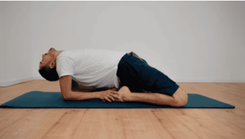
Matsyasana, commonly known as Fish Pose, is one of the classical asanas in Hatha Yoga. The name comes from the Sanskrit words "Matsya" meaning fish and "asana" meaning pose or posture. This backbend pose is often practiced as a counterpose to Sarvangasana (Shoulder Stand) and Halasana (Plow Pose), as it stretches the areas of the body that are contracted during these poses.
Legend has it that when practiced in water, this pose enables practitioners to float like a fish—hence the name. Matsyasana primarily opens the chest, throat, and neck while stretching the front body and stimulating the organs in the abdominal region. It is considered beneficial for the respiratory and endocrine systems and forms an important part of the traditional sequence of yoga asanas.
Steps to Practice Matsyasana
Preparation
- Begin by lying flat on your back on a yoga mat.
- Keep your legs extended and together, arms alongside your body with palms facing down.
- Take a few deep breaths to relax your body.
Basic Version
- Position your hands: Place your hands palm-down beneath your buttocks.
- Lift your chest: Pressing down with your elbows and forearms, lift your chest toward the ceiling.
- Arch your back: Gently arch your upper back and lower your head backward until the crown of your head touches the floor.
- Find the right position: Adjust your weight so it rests on your elbows and the crown of your head, not fully on your head.
- Breathe: Hold the position for 5-10 deep breaths, focusing on expanding your chest with each inhalation.
- Release: To come out of the pose, lift your head first, then slowly lower your upper back and head to the floor.
Advanced Version (Padma Matsyasana or Matsayayana in Padmasana)
- Begin by sitting in Padmasana (Lotus Pose).
- Lean back onto your elbows, then gradually recline until your crown touches the floor.
- Arch your back and, if comfortable, extend your arms overhead to grasp your toes.
- Hold for 5-10 breaths before carefully releasing the pose in reverse order.
Do’s and Don'ts
Do’s
- Do warm up your spine with gentle movements before attempting this pose.
- Do keep your legs active by pressing the backs of your knees into the floor.
- Do breathe deeply and fully into your chest during the pose.
- Do use a folded blanket or cushion under your head if you have any neck discomfort.
- Do practice under the guidance of a qualified yoga instructor if you're a beginner.
Don'ts
- Don't put excessive pressure on your neck or head; most of the weight should be on your elbows and upper back.
- Don't jerk your head backward; move slowly and mindfully.
- Don't hold the pose for too long, especially if you're a beginner or experiencing discomfort.
- Don't practice immediately after eating; wait at least 2-3 hours.
- Don't force your body into the pose if you feel pain (not just stretching).
Contraindications
- Matsyasana should be avoided or practiced with extreme caution by people with:
- Neck injuries or chronic neck pain
- High or low blood pressure
- Migraine or severe headaches
- Recent abdominal surgery
- Serious back issues, particularly in the lower back
Heart conditions
- Insomnia (avoid practicing before bedtime as it can be energizing)
- Pregnancy (especially in the later stages)
- If you have any medical conditions, consult with both your healthcare provider and a qualified yoga instructor before practicing Fish Pose.
Benefits of Matsyasana
Physical Benefits
- Opens and stretches the chest, throat, and neck
- Improves respiratory capacity by expanding the chest and lungs
- Strengthens the muscles of the upper back and neck
- Stimulates the thyroid and parathyroid glands
- Relieves tension in the shoulders and upper back
- Improves posture by countering the effects of sitting for extended periods
- Helps alleviate respiratory conditions like asthma and bronchitis
- Aids in digestion by stimulating abdominal organs
- Mental and Emotional Benefits
- Reduces stress and anxiety
- Promotes better breathing habits
- Boosts energy levels and reduces fatigue
- May help alleviate mild depression
- Encourages a sense of openness and release
Conclusion
Matsyasana, or Fish Pose, is a powerful yoga asana that offers numerous benefits for both body and mind. Its chest-opening properties make it especially valuable in our modern world, where many people spend hours hunched over desks or digital devices. When practiced correctly and regularly, it can help improve posture, respiratory function, and overall well-being.
Remember that yoga is a personal journey, and it's important to listen to your body. Start with the basic version of Matsyasana, and only advance to more challenging variations when you feel ready. Always prioritize proper alignment and comfort over achieving the "perfect" pose.
As with all yoga practices, consistency is key. Even a few minutes of regular practice can lead to significant improvements over time. Whether you're a beginner or an experienced practitioner, incorporating Fish Pose into your routine can be a valuable addition to your wellness journey.
May your practice of Matsyasana bring you strength, openness, and profound relaxation.