
Margazhi: Andal, Thiruppavai and the Month of Divine Devotion
The sacred season when dawn breaks into song

Kushal K
13 Nov 2026 • 6min
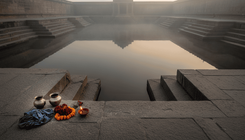
Margazhi month traditions centre on one saint and one text: the devotional poet Andal and her hymn the Thiruppavai. This is the season when Tamil-speaking Hindus across South India, especially in Karnataka and Tamil Nadu, begin their day before dawn to recite Andal's verses and sing them into the darkness. Margazhi is a month held in the lunar calendar, typically falling between December and January in the Gregorian calendar. Its observance is grounded less in ritual rules than in devotion—in the joy of gathering before sunrise to chant words of longing for Krishna.



Andal: The Only Woman Saint in Vaishnavism
Andal was born in Tamil Nadu in the 8th or 9th century, in a Vaishnava tradition that valued direct devotion to Krishna over formal ritual. She composed two works: the Thiruppavai, a sequence of thirty verses for the month of Margazhi, and the Nacciyar Tirumozhi, a longer collection expressing her spiritual journey and her identification with Radha, Krishna's divine consort.
Andal stands alone in the Vaishnava tradition. She is the only woman among the twelve Alvars—the poet-saints venerated as the foremost devotees in Tamil Vaishnavism. Her words are treated with an authority given to few others. In Sri Vaishnava temples, the Thiruppavai is recited with the same reverence as the Vedas themselves.
The story told of Andal's life adds to her spiritual authority. She was adopted and raised by the Vaishnava saint Perialvar in his temple. From childhood, she refused all marriage proposals except to Krishna—and in temple tradition, she is said to have merged into the sanctum as a bride of the Lord. This narrative of absolute devotion to Krishna, culminating in divine union, frames everything the Thiruppavai expresses.
The Thiruppavai: Verses for Pre-Dawn Recitation
The Thiruppavai is a poem in thirty verses, each one a call to wake and worship. Andal speaks as if awakening the young women of the village to bathe in the temple tank at dawn. But this is not ordinary waking: the verses are dense with devotional longing. To bathe at dawn is to prepare oneself for Krishna's presence. Each verse carries multiple meanings—literal instruction and spiritual instruction at once.
The thirty verses correspond to the thirty days of Margazhi month. Many practitioners recite one verse each morning, or all thirty verses during a single pre-dawn gathering. The rhythm is crucial: the verses are meant to be chanted aloud, in groups when possible. The experience is not individual study but collective devotion—a practice called Thiruppavai nonapu, or the Thiruppavai vow.
The language is Tamil, not Sanskrit. This was revolutionary in its time: a woman speaking of her love for Krishna in the vernacular, addressing other women, claiming authority through poetry and direct experience rather than male gatekeeping. The Thiruppavai speaks in the voice of Radha and her companions, all of them yearning for Krishna. Some verses are playful, others passionate, others suffused with longing that seems almost erotic—but always, the physical and the spiritual are woven together.
How Margazhi Is Observed Today
In Tamil Nadu, Margazhi recitation is a major observance across Vaishnava households and temples. Many devotees wake at three or four in the morning to gather in homes or temples. Some groups begin with ritual purification: a bath, often in cold water, and a change into clean clothes. Then comes the chanting of Thiruppavai verses.
The practice differs by community and region. Some follow a strict interpretation: one verse per morning, recited for the full month. Others sing all thirty verses each morning. In some households, the recitation is combined with offerings to Krishna—flowers, rice, incense. In others, it is devotion alone, without formal ritual support.
The tradition has adapted in the modern era. Not all households can gather before dawn. Some record Thiruppavai recitations and listen at home. Some practice it during the month but at other times of day. Temples have become central: many hold daily Thiruppavai recitations open to the public, often followed by simple food offerings or prasad.
In Karnataka, particularly in districts with strong Tamil Vaishnava populations, Margazhi observance follows similar patterns. In Kerala, the tradition is less widespread but not absent. In North India, Andal is less known, though her story and poetry have become more widely available through English translations and online recordings in recent years.
The Spiritual Meaning of Margazhi Devotion
Margazhi practice is fundamentally about longing—not as deprivation but as the engine of devotion. Andal's verses position the devotee as one who yearns for union with Krishna. The pre-dawn hour, cold and dark, is itself part of the meaning: you wake before warmth and light, in a state of incompleteness, and you call out.
The verses also construct a community of women. Andal speaks to her companions. The implied listener is not a priest or a man, but the women who wake together, who encourage each other toward devotion. This was radical in its historical moment, and it remains significant. The practice affirms that women are capable of direct spiritual authority, that their voices matter, that their desire for the divine is valid.
The month itself carries meaning. Margazhi is winter in South India, a season of coolness and harvest. Traditionally, it is when new rice comes to market, when new clothes are sewn, when the year feels fresh. Temple festivals and family gatherings cluster around this time. Margazhi devotion sits within a larger seasonal awakening.
For the devotee, Margazhi practice is an opportunity for discipline and joy at once. Waking before dawn, you join a centuries-old lineage of recitation. You learn Andal's words, whether for the first time or the hundredth, and each repetition opens new meaning. The cold water, the dark streets, the voices rising in the pre-dawn air—all of these are part of what the practice asks of you. And all of them, taken together, constitute an offering to Krishna through the body and the voice.
Common questions
What is the Thiruppavai and how is it used during Margazhi?
The Thiruppavai is a sequence of thirty devotional verses composed by Andal in Tamil, each traditionally recited on a separate morning during the month of Margazhi. The verses call to wake and worship, speaking as if awakening women to bathe and prepare for Krishna's presence, and are meant to be chanted aloud, often in groups at pre-dawn hours.
Who was Andal and why is she important in Vaishnavism?
Andal was an 8th or 9th-century Tamil devotional poet and the only woman among the twelve Alvars—the foremost poet-saints of Tamil Vaishnavism. She composed the Thiruppavai and the Nacciyar Tirumozhi, and her verses are treated with the same reverence as the Vedas in Sri Vaishnava temples.
Do you have to recite the Thiruppavai in Tamil or can it be done in other languages?
The Thiruppavai is written in Tamil and most traditional recitations are in the original language, as the rhythm and meaning are integral to the practice. However, translations into English, Hindi and other languages now exist, and some devotees use these to understand the meaning while reciting the Tamil original.

Related Articles


