
Mandala Puja 2026: Completing the Ayyappa Mandala Vratam
Forty days of devotion, closing with sacred ritual

Aditya Pandey
30 Oct 2026 • 7min
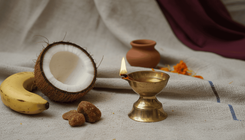
The mandala puja in 2026 will mark the completion of the Ayyappa mandala vratam, a 40-day period of discipline and devotion undertaken by followers of Lord Ayyappa. This closing ritual is performed at Sabarimala temple in Kerala, and the date shifts each year according to the lunar calendar. Understanding what mandala puja is and how it concludes this sacred fast will help you appreciate both the journey of the vrat itself and the significance of its completion.
The mandala vratam is a 41-day practice that begins on the Malayalam month of Vrischikam and continues through Dhanu. The mandala puja is performed on the 41st day, marking the successful completion of the vrat. For devotees who have kept the fast with intention and discipline, this ritual is both a culmination and a fresh beginning—a moment when the spiritual effort of 40 days is formally closed and the devotee steps into a new phase of their practice.



What the Mandala Vratam Is
The mandala vratam is a specific form of spiritual discipline centred on Ayyappa worship, primarily practised by devotees in Kerala and among diaspora communities. The word mandala refers to both the 41-day period itself and the ritual that closes it. During these 40 days, a person typically observes strict rules: avoiding non-vegetarian food, refraining from intoxicants, maintaining celibacy, rising early, and often wearing black or blue clothing as a mark of their vow.
The practice strengthens the body and mind through these external disciplines while the internal focus remains on Ayyappa. Many devotees use this period to recite mantras, visit the temple regularly, or perform specific pujas at home. The vrat is not merely about abstinence; it is a structured pathway for deepening devotion and self-awareness. By the time mandala puja arrives, the devotee has spent 40 days in a heightened state of spiritual attention.
The Significance of Mandala Puja
The mandala puja on the 41st day is not a separate ritual unrelated to what came before—it is the formal close of the entire practice. At Sabarimala, this ritual is performed during the temple's official season, and many devotees travel to Kerala specifically for this day. The puja acknowledges the completion of the vrat and offers gratitude for the strength to sustain it.
For devotees present at Sabarimala, the mandala puja experience is visceral and communal. Thousands of people gather at the temple, creating an atmosphere charged with shared devotion. The ritual itself involves offerings, prayers, and often a circumambulation of the temple sanctum. For those unable to travel, many temples across India conduct mandala puja ceremonies where local communities of Ayyappa devotees gather to mark the occasion together.
The mandala puja also symbolises a renewal. Having undertaken the discipline and completed it, the devotee steps into a new relationship with Ayyappa. Some continue their devotional practice in a different form after the vrat ends, while others undertake the mandala vratam again in subsequent years. The puja is both an ending and a threshold.
How the 2026 Mandala Puja Date Is Set
The mandala vrat begins on the first day of the Malayalam month of Vrischikam and concludes 40 days later. The mandala puja is performed on the 41st day, which falls in the month of Dhanu. Because the Malayalam calendar is lunar, this date changes year to year in the Gregorian calendar. In 2026, as in every year, the exact date will be determined by when Vrischikam begins and when Dhanu reaches its 24th or 25th day, depending on the regional observation.
Devotees typically learn the specific date from Sabarimala temple authorities or from local Ayyappa temples in their area. Many temples publish annual calendars with the mandala puja date marked, and this information is also widely shared through devotional networks and temple websites. If you plan to undertake the mandala vratam in 2026, confirm the date with a trusted temple or Ayyappa community well in advance, as travel plans to Sabarimala require preparation.
Preparing for and Observing Mandala Puja
Whether you travel to Sabarimala or observe the mandala puja locally, the ritual follows a pattern rooted in centuries of practice. At the temple, devotees bathe, dress in clean clothes, and participate in the puja as led by the priests. The offerings often include coconut, jaggery, banana and other fruits. After the formal ritual, many devotees receive prasad (sanctified food) and walk around the sanctum in a final act of circumambulation before the vrat is formally considered complete.
If you are observing mandala puja away from Sabarimala, you can still mark the day meaningfully. Many people perform a puja at home or at a local temple, make specific offerings, and spend extra time in prayer or meditation. The essence of the ritual lies in your intention and your recognition that the 40-day discipline has come to a close. Some devotees also use this day to reflect on what they experienced during the vrat—the inner changes, the challenges overcome, and the ways their relationship with Ayyappa deepened.
After Mandala Puja
The completion of mandala puja does not mean the end of Ayyappa devotion. Many devotees maintain some form of continued practice—whether that is monthly temple visits during certain days, observance of smaller fasts, or daily recitation of Ayyappa mantras. Some undertake the full mandala vratam again the following year, making it an annual practice. Others choose different forms of worship suited to their circumstances.
The mandala puja marks a threshold because it honours both the discipline you have kept and the transformation it may have brought. The 40 days have asked something of you; the 41st day receives what you have offered. After that, the path forward is yours to choose, but it remains rooted in the foundation the mandala vratam has laid.
Regional Variations in Practice
The mandala vratam and mandala puja are most formally structured at Sabarimala in Kerala, but the practice is observed in different ways across India and among diaspora communities. Some regions have their own local Ayyappa temples where mandala puja is celebrated with significant numbers of devotees. While the core elements—the 40-day discipline and the closing ritual—remain consistent, the specific customs, the exact lunar dates observed, and the scale of community gathering can vary by location.
If you are undertaking this practice far from Kerala, it is worthwhile to connect with local communities of Ayyappa devotees who can guide you through the observance in your context. This connection itself deepens the practice, as devotion thrives in community even when the form differs slightly from the Sabarimala tradition.
Common questions
How many days is the Ayyappa mandala vrat?
The mandala vratam lasts 41 days in total: 40 days of fasting and discipline, plus the 41st day on which the mandala puja is performed. The vrat begins on the first day of Vrischikam and ends on the 24th or 25th day of Dhanu, depending on the region.
Can I do mandala puja if I have not completed the full vrat?
The mandala puja is specifically the closing ritual of the mandala vratam. If you have not kept the full vrat, you would not perform mandala puja itself, though you could perform other pujas to Ayyappa at any time. The ritual marks the completion of this particular 40-day discipline.
What should I eat after mandala puja?
After the mandala puja and the formal close of the vrat, you may resume your normal diet. Many devotees break their fast with simple foods at first—fruit, milk, or rice—before returning to a full range of food. Some choose to continue partial dietary restrictions as an extension of their spiritual practice.

Related Articles


