
Maha Shivaratri: Significance and How It Is Observed
Honouring Shiva through the night of dissolution and rebirth.

Sunil Chaurasia
07 Nov 2026 • 6min
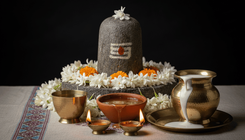
Maha Shivaratri, the great night of Shiva, marks one of the most sacred observances in the Hindu calendar. It falls on the new moon night (amavasya) in the month of Phalguna, usually between February and March. The significance of Maha Shivaratri lies in its celebration of Shiva himself—the Supreme Consciousness in Shaivite philosophy—and the cosmic dance of dissolution and creation that he embodies. For millions of devotees, this night is a time to seek his blessings through fasting, meditation and all-night vigil.



Why Maha Shivaratri Matters
The significance of Maha Shivaratri rests on several layers of meaning. In cosmology, Shivaratri commemorates the night when Shiva performed the cosmic dance of tandava, through which the universe cycles through creation, preservation and dissolution. It is also believed to be the night when Shiva was married to Parvati, uniting the dynamic and static forces of the cosmos.
Beyond mythology, Maha Shivaratri holds spiritual significance. Shiva represents consciousness in its purest form—beyond the realm of the mind and the senses. On this night, the veil between the material and the transcendent is said to grow thin, making it an auspicious time for meditation and spiritual practice. Many practitioners believe that sincere devotion and sadhana (spiritual practice) undertaken on Shivaratri yields greater fruit than on other days.
For Shaivites, the festival affirms the centrality of Shiva in their spiritual path. For others, it offers a shared occasion to participate in one of Sanatan Dharma's most universally celebrated nights. The festival crosses caste and regional boundaries; whether in temples in Tamil Nadu or Kashmir, the observance remains essentially the same.
How Maha Shivaratri Is Observed
Maha Shivaratri observance unfolds according to practices that have been followed for centuries, though there is room for regional and personal variation. The most recognisable observance is a vrat (fasting) that lasts through the day and the night. Many people fast completely, taking no food or water, though some take light vegetarian food or milk. The fast is often broken the next morning after darshan (viewing) at a temple or completion of personal worship.
The central ritual is the abhishek (ritual bathing) of the Shiva linga—the abstract form in which Shiva is worshipped. Devotees visit temples to witness or participate in the ritual offering of milk, yogurt, honey, ghee and water to the linga, often accompanied by the chanting of mantras, particularly the Maha Mrityunjaya Mantra or the Shiva Chalisa. Some homes have a small linga where the family performs abhishek together.
Jagaran, or all-night vigil, is another key practice. Devotees stay awake through the night, spending the time in chanting, meditation, reading sacred texts like the Shiva Purana, or simply sitting in worship. The night is divided into four watches (prahar), each representing a phase of Shiva's cosmic dance. Some traditions perform particular rituals during each watch. This practice is rooted in the belief that sleep during Shivaratri is inauspicious and that wakefulness brings one closer to Shiva's grace.
Regional and Personal Variations
While the core observance—fasting, worship and vigil—is common across India, regional traditions add their own character. In South India, particularly in Tamil Nadu, the festival is often celebrated with elaborate temple rituals and large processions. In Kashmir, Maha Shivaratri sees pilgrimages to the Amarnath Cave, one of the holiest Shaivite shrines. In parts of North India, the festival is marked by large community gatherings where people keep vigil together, singing devotional songs and sharing stories of Shiva.
Fasting intensity varies too. Some people observe a complete fast (nirjala), while others follow a partial fast, consuming only milk, fruits or simple vegetarian food. The choice often depends on individual health, family tradition and one's spiritual capacity. Importantly, neither extreme is insisted upon; the spirit of the observance matters more than its rigidity.
Similarly, while spending the entire night awake is traditional, some people spend a few hours in worship and meditation. Others find their path through journeying to a nearby temple for the pre-dawn or dawn rituals. The underlying intention—to turn the mind towards Shiva and away from the ordinary concerns of the day—is what counts.
Preparing for Maha Shivaratri
Preparation begins well before the night itself. Many devotees clean their homes and create a sacred space where they will worship. If you have a puja room, freshen it and arrange flowers, incense and water. Set up a small linga or image of Shiva, or decide where you will sit for meditation. Prepare simple food for the day and, if you are fasting, ensure you have what you will consume if breaking the fast becomes necessary.
If you plan to visit a temple, check the timings of key rituals, particularly the abhishek and aarti (ritual of light). Many temples hold special pujas and abhishekas throughout the night. Arriving early helps you find a good spot and reduces stress.
Mentally and spiritually, it helps to spend the days leading up to Shivaratri in a lighter, more meditative state. Some people reduce their intake of heavy foods, spend time reading about Shiva, or chant Shiva mantras. This prepares both body and mind for the intensity of the observance.
What to Carry Away
Maha Shivaratri offers each person something different. For some, it is an occasion to perform ritual and seek blessings. For others, it is a night to quieten the mind and sit with the reality of consciousness that Shiva represents. For many, it is simply a time to join millions of others in shared devotion, to feel part of something vast and ancient.
The significance of Maha Shivaratri is not diminished by the different ways people observe it. Whether you fast completely, meditate through the night, visit a temple, or simply set aside quiet time for prayer, the gesture of turning towards Shiva on this auspicious night carries its own power. The festival invites you to step outside ordinary time and touch something sacred.
Common questions
When does Maha Shivaratri fall in 2024 and 2025?
Maha Shivaratri is observed on the new moon night of Phalguna, which shifts with the lunar calendar every year. In 2024 it falls in March, and in 2025 it falls in February. Check your local panchanga (Hindu calendar) or temple for the exact date each year.
Can I eat anything during the Maha Shivaratri fast?
Many regional traditions allow light foods during the fast: milk, yogurt, fruits, nuts and simple boiled vegetables without salt or spices. Some traditions permit potatoes and milk products. A complete fast (nirjala), taking no food or water, is also practised. The choice depends on your health, capacity and family custom.
What does jagaran mean and why is it done?
Jagaran means staying awake through the night. It is done to honour Shiva and is believed to deepen one's meditation and spiritual receptivity on this auspicious night. The vigil is typically spent in prayer, chanting, reading sacred texts or silent meditation.

Related Articles


