
Langhana: Ayurveda's View of Light Eating and Fasting
When Rest Becomes Medicine

Aditya Pandey
18 Nov 2026 • 6min
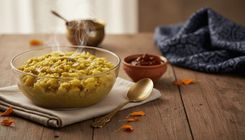
Langhana is Ayurveda's term for purposeful lightness in eating—a deliberate reduction of food intake or a period of fasting to rest the digestive system and support healing. It is one of the oldest and most practical approaches to using food as medicine in the Indian wellness tradition. Unlike strict fasting, which many traditions practice for spiritual reasons, langhana in Ayurveda is tailored to your body type and the imbalances you are experiencing right now.



What Langhana Means in Ayurvedic Thought
The word langhana comes from a Sanskrit root meaning "to make light" or "to leap over." In Ayurvedic texts, langhana is considered one of the core therapeutic approaches, alongside its complement, brimhana, which means nourishment or building up. Langhana is used when the body is carrying excess—excess food that has not been digested, excess weight, excess heat, or excess of one of the three doshas (vata, pitta, or kapha, the fundamental energies that govern the body).
Langhana is not deprivation. It is a deliberate pause that allows agni, the digestive fire, to clear what is already present and to reset. When agni is weak or overburdened, food sits undigested and becomes ama, a sticky toxin that Ayurveda sees as the root of many health problems. By giving agni a break, langhana allows it to strengthen and clear accumulated ama.
How Langhana Fits Your Constitution
The beauty of langhana is that it is not one-size-fits-all. Your constitution (prakriti), your current imbalance (vikriti), and the season all shape how you should practice it.
Kapha types—those who tend toward heaviness, slowness and density—often benefit most from langhana. Their digestive fire burns slowly, and they accumulate excess easily. For kapha, periods of lighter eating can feel energising and clarifying.
Pitta types need to approach langhana carefully. Their digestive fire is already sharp, and too much fasting or restriction can heat them further, creating irritation and restlessness. Pitta does better with langhana that is short and gentle, and paired with cooling foods and practices.
Vata types are the most vulnerable to overdoing langhana. Their digestion is irregular and sensitive, and prolonged fasting or eating too little can worsen their natural tendency toward dryness and anxiety. Vata benefits from langhana only when it is brief, warm, and grounding.
The season matters too. Langhana sits naturally with spring, when the body sheds winter heaviness, and with late summer, when the heat of pitta peaks. Winter is generally not the time for extended langhana, as the body needs warmth and substance to maintain vitality in the cold.
Langhana Methods and Forms
Langhana takes many forms, each suited to different needs and different degrees of imbalance.
Partial fasting is the gentlest form. You skip one meal—most commonly dinner—or eat a very light meal of warm water with ginger or a simple broth. This allows agni to work through what you have already eaten and to recover.
Mono-diet fasting involves eating only one type of food for a meal or a day—often warm rice, mung dal, or khichdi (a traditional combination of rice and lentils cooked together). Khichdi is especially valued in Ayurveda for langhana because it is easy to digest and balances all three doshas. Eating the same simple food repeatedly uses less digestive energy and gives the system clarity.
Liquid fasting means consuming only warm liquids: bone broth, vegetable broth, or warm water with spices like ginger and cumin. This is stronger than partial fasting and is usually done for a day or occasionally longer under guidance.
Dry fasting or eating only dry foods like roasted grains or fruits is sometimes recommended, especially in spring when dampness needs to be cleared, though this form is less commonly advised in modern practice.
The length of langhana also varies. Some people practice it as part of their daily rhythm, skipping dinner regularly. Others do it for a day or two when they notice their digestion has grown sluggish or heavy. Seasonal langhana—a dedicated period of lighter eating for a few days or a week at the change of seasons—is also traditional.
Preparing for and Coming Out of Langhana
How you enter langhana matters as much as the practice itself. The day before, eat lighter meals than usual and avoid foods that are hard to digest: fried foods, heavy oils, meat, and dense grains. This prepares your agni.
During langhana, stay warm. Drink room-temperature or warm water, not cold. Move gently—light walking or gentle yoga—rather than intense exercise. Rest more than usual. This is not a time to push yourself.
When langhana ends, do not rush back to your normal diet. Eat light foods first: warm rice with ghee, khichdi, or a simple vegetable stew. Gradually reintroduce your regular meals over two or three days. Coming out too quickly can shock the system and undo the benefits.
Who Benefits and When to Pause
Langhana is most appropriate when your agni is sluggish, when you feel heaviness after eating, when you have gained weight, or when you are recovering from an acute illness. It is also valuable at seasonal transitions and as a preventive practice for those with a naturally slow digestion.
Langhana is not appropriate for certain people or times. If you are pregnant or breastfeeding, underweight, very weak, recovering from a long illness, or living through high stress, langhana is best avoided or practiced only under guidance. If you have a vata imbalance or a condition like anxiety or arthritis that worsens with fasting, proceed cautiously. In winter, when the body needs warmth and substance, extended langhana is not ideal.
If you are on medication, treating an active illness, or unsure whether langhana is right for you, speak with an Ayurvedic practitioner first. Langhana is powerful medicine, and like all medicine, it is most helpful when used wisely.
Common questions
What is the difference between langhana and regular fasting?
Langhana is therapeutic lightness in eating prescribed for your specific constitution and imbalance; regular fasting is often spiritual or time-based, the same for everyone. In Ayurveda, langhana can be as simple as eating khichdi or skipping one meal, not necessarily complete abstinence. It is personalized to your dosha and current needs.
Can I practice langhana every day?
Some people benefit from skipping one meal daily as part of their routine, especially kapha types with slow digestion. However, daily extended fasting is not recommended for vata or pitta types, or during winter and cold seasons. If you are new to langhana, start with one or two days a week and build from there.
What should I eat when breaking a langhana fast?
Break langhana gently with warm, light foods: plain khichdi, warm rice with ghee, or simple vegetable stew. Avoid heavy oils, raw foods, and large meals. Wait two to three hours before eating your next meal, and resume your normal diet gradually over a day or two to avoid digestive upset.

Related Articles


