
Karpura Gauram: The Meaning of This Beloved Shiva Verse
Lord Shiva in his purest essence

Aditya Pandey
17 Nov 2026 • 6min
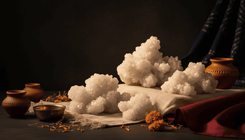
Karpura gauram karunavataram is a short verse that many people encounter during the aarti (the waving of lights) offered to Lord Shiva in temples and homes. The verse distils a meditation on Shiva's nature—his pure whiteness, his boundless compassion, and his role as the destroyer of ignorance. Understanding what the words mean, and why they are sung at this particular moment in worship, gives the practice a layer of meaning that shifts it from routine to devotion.
The verse itself is short enough to hold in memory. When you hear it sung at aarti, you are hearing an invocation and a description folded together: a way of addressing Shiva while simultaneously speaking his qualities into being. To sing it is to contemplate what those words say about him, and about what he represents in your own spiritual life.



The Words and Their Simple Meaning
The verse opens with "Karpura gauram," which translates as "camphor-white" or "white as camphor." Karpura is camphor, that crystalline substance with its sharp, penetrating smell, and gauram speaks of its whiteness. The image is precise. Camphor is pure, luminous, almost translucent white—not the dull pallor of something lifeless, but the bright clarity of something refined to its essence.
"Karunavataram" means "the descent of compassion" or "compassion incarnate." Avataram is an incarnation or manifestation; karu is compassion. The verse is saying that Shiva appears before us, or manifests in the world, specifically as compassion. This is not a cold or abstract quality. It is compassion that comes down, takes form, makes itself known.
The full opening phrase therefore says something like: "White as camphor, embodiment of compassion." It positions Shiva as simultaneously luminous and infinitely merciful—a god who is radiant precisely because he feels the suffering of all beings and moves to ease it.
The verse continues, and the words that follow elaborate on this portrait. Different versions add details, but they all orbit the same core image: Shiva is the light that burns away ignorance, the mercy that flows toward the lost, the stillness at the centre of all motion. Some renditions invoke his cosmic form or his role as the dancer who sustains creation. Others ask for his blessing or call on his name.
Why These Words Matter in Aarti
Aarti is the moment in worship when the distinction between you and the deity thins. You are not just acknowledging that Shiva exists somewhere distant. You are drawing him near, making him present to your senses, offering him light and sound and your own attention. The mantra or verse sung during aarti is not decoration. It is the substance of what you are doing.
When you sing "karpura gauram karunavataram," you are doing several things at once. You are addressing Shiva directly—this is you speaking to him. You are also recalling his nature to yourself—this is you reminding yourself of who he is. And you are aligning your own consciousness with those qualities: whiteness (purity), light (illumination), and compassion (the capacity to feel and respond to another's need).
The camphor image carries particular weight here. In many Hindu rituals, camphor is burned as an offering. It burns with a bright, clean flame and leaves no ash behind—only light and a pure scent. The worshipper who approaches this image understands that Shiva, like the camphor flame, burns away all impurity. And because he is karunavataram, compassion incarnate, this burning is not punishment. It is mercy. It is the removal of what obscures your own true nature.
The verse is short because it needs to be sung in the space of a few seconds or minutes as the aarti moves through its pattern. But its brevity is also part of its power. It distils Shiva's nature to two essential qualities and holds them in balance: the transcendent white light of pure being, and the warmth of a god who cares.
Different Versions and Regional Practice
The verse you hear in one temple may not be quite the same as the verse you hear in another. There are several established versions, and different temples, gurus and lineages preserve their own. Some versions are longer and more elaborate; others are pared down to the opening phrase. Some add invocations to other names of Shiva or ask for his particular blessings.
In South Indian temples, you may hear the verse sung differently from how it sounds in North India. The language may carry different inflections, or additional Sanskrit terms reflecting the sampradaya (lineage or school) that temple follows. In home worship, families often use the version they learned from their parents or guru, which might differ from what any published text shows.
This variety does not mean the meaning changes fundamentally. The core image—Shiva as white light and infinite compassion—remains constant across these versions. If you visit a new temple or hear the verse sung by a teacher you have not met before, the essence of what is being invoked will be recognisable to you.
Singing It Yourself
Many people begin to learn this verse not by reading about it, but by hearing it. If you attend aarti in a temple, you will hear it. If you worship Shiva at home and want to sing it during your own aarti, you can learn it from a guru, from a temple community, or from recordings made by established teachers and singers.
The sound of the words matters. Sanskrit is structured so that the sound itself carries meaning. When you chant "karpura gauram," you are not just communicating information—you are also invoking the state of consciousness those words describe. This is one reason why many people find that singing or chanting these verses, even without understanding every word in advance, shifts their inner experience. The sound works on you as well as the sense.
If you are new to the practice, do not worry about perfect pronunciation. What matters is your sincerity and your willingness to connect with what the words point toward. Over time, as you sing the verse, its meaning will deepen. You will begin to feel, not just understand, the qualities it describes.
Common questions
Is karpura gauram from a specific scripture or text?
The verse is part of the wider aarti tradition rather than a single scriptural source. It appears in various aarti liturgies and collections of puja mantras across different samprayas, but no single author or text is typically credited. Different lineages and temples preserve their own versions.
Can I sing karpura gauram even if I don't speak Sanskrit?
Yes. Many people chant Sanskrit verses without being fluent in the language. Learning the sound and rhythm from a teacher, a temple community, or a recording is a valid way to begin. Understanding the meaning deepens the practice, but your sincere engagement with the sound itself has value.
Is this verse only for Shiva worship, or can it be used in other rituals?
While karpura gauram is most commonly associated with Shiva aarti, some households or traditions may adapt or use elements of it in other contexts. However, it is primarily known and used as a Shiva invocation during temple and home worship, particularly at the moment of aarti.

Related Articles


