
Ida, Pingala and Sushumna: The Three Main Nadis
Energy channels that flow through your subtle body

Abhilash Ramakrishna
16 Nov 2026 • 7min
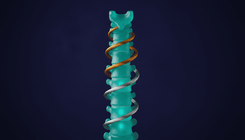
Ida, pingala and sushumna are the three primary nadis, or energy channels, in the subtle body according to yoga and Tantra philosophy. These channels form the foundation of how prana, the life force, circulates through your being. Understanding them helps you work with your energy during meditation, pranayama and yoga practice.



What the nadis are
In the system of yoga, nadis are not physical structures but subtle pathways for energy. They exist alongside your nervous system and blood vessels, operating in what yogic texts call the subtle body—the energetic dimension that yogis cultivate through practice. There are said to be thousands of nadis, but the three main ones are fundamental to all yoga practice.
The three main nadis run roughly along the spine. Ida and pingala spiral around the central channel, sushumna, which runs straight down the middle from the crown of the head to the base of the spine. This arrangement is central to how yogis understand the flow of energy during meditation and breath work.
Ida: the lunar channel
Ida is the nadi associated with the moon, and with qualities that are cool, calm and reflective. It begins at the base of the spine and spirals upward along the left side of the body, ending at the left nostril. Ida is linked with the parasympathetic nervous system—the part of your system that slows your heart rate, settles your digestion and brings about rest and recovery.
When ida is flowing strongly and in balance, you tend toward a quiet, introspective state. Your mind becomes steady. You think clearly and see things with emotional intelligence. Breathing through the left nostril activates ida, which is why left-nostril breathing is used in pranayama practices that calm and cool the mind. If ida is blocked or depleted, you might feel mentally foggy, lethargic or unable to focus.
Pingala: the solar channel
Pingala is associated with the sun, and with heat, energy and action. It runs along the right side of the spine, also spiraling from the base upward, and it exits through the right nostril. Pingala is linked with the sympathetic nervous system—the part that raises your heart rate, sharpens your focus and prepares you for effort.
When pingala flows well, you feel energized, motivated and clear-headed. Your digestion is strong and your body temperature rises slightly. You can think analytically and act decisively. Right-nostril breathing activates pingala, which is why heating pranayama practices use it. If pingala is blocked or depleted, you feel sluggish, unmotivated and mentally sluggish, even if you have had enough sleep.
Sushumna: the central channel
Sushumna is the central channel that runs directly up the spine from the base to the crown of the head. Unlike ida and pingala, which are active in daily life, sushumna remains largely dormant in most people until they begin dedicated practice. Sushumna carries kundalini, the dormant spiritual energy coiled at the base of the spine.
When you awaken sushumna through yoga, pranayama and meditation, something shifts. This channel carries energy that is neither cooling nor heating, neither lunar nor solar, but a union of both. Awakening sushumna is the ultimate aim of many yoga practices. When the energy rises through this central channel and reaches the crown of the head, it is said to bring enlightenment and moksha, or liberation.
How the three nadis work in practice
In daily life, ida and pingala are constantly active, taking turns. A few minutes after you exhale through one nostril, the other becomes dominant—a cycle that repeats throughout the day. This is called the nasal cycle, and it reflects the shifting balance of your mental and physical energy.
When both ida and pingala are flowing equally and in balance, the gates to sushumna open slightly. This is why many yoga practices aim to balance the two channels. Nadi shodhana, or alternate-nostril breathing, deliberately alternates between left and right nostrils to balance ida and pingala, preparing the nervous system for meditation and calming the mind.
The yoga texts describe the three nadis as meeting at several points along the spine, creating energy centers called chakras. The most important of these meeting points are the muladhara chakra at the base of the spine, the anahata chakra at the heart, and the sahasrara chakra at the crown of the head.
Nadi yoga practices
Several yoga practices work directly with the nadis. Nadi shodhana, or alternate-nostril breathing, is the most common. By breathing in through one nostril and out through the other, in a steady rhythm, you balance ida and pingala and prepare your mind for meditation. Many people practice this for five to ten minutes each morning.
Left-nostril breathing, or ida nadi breathing, is done by closing the right nostril and breathing only through the left. This is cooling and calming, and it suits times when you are stressed, overheated or unable to settle your mind. Right-nostril breathing, or pingala nadi breathing, is heating and energizing, and it suits times when you feel sluggish or mentally dull. Both are simpler than nadi shodhana, though they do not balance the nadis the way alternate breathing does.
Kundalini yoga focuses on awakening and moving energy through sushumna. Through specific practices—mantras, mudras, visualizations and breathing techniques—practitioners aim to raise kundalini from the base of the spine to the crown. This is an advanced practice, and it is traditionally learned directly from a guru rather than from a book.
The philosophy behind the three nadis
The three nadis represent much more than energy channels. They embody a philosophy about how to live. Ida represents the introspective, receiving, feminine aspect of existence. Pingala represents the active, expressive, masculine aspect. Sushumna represents the union of the two, and the transcendent awareness that arises when opposites are integrated.
This is why yogic practice does not seek to strengthen one channel at the expense of the other. Instead, yoga aims to balance ida and pingala, so that your mind and body work together. When they are balanced, you can think and act with equal clarity. You can rest and also rise to meet the world. And you can sometimes step beyond both, into the deep stillness of sushumna.
The nadis are part of a living tradition that yoga students still work with today. Whether you are new to yoga or have been practicing for years, understanding how these three channels function can deepen your practice and help you use pranayama and meditation with greater intention.
Common questions
How do I activate sushumna nadi?
Sushumna is traditionally awakened through consistent yoga practice, pranayama and meditation over time. Practices like nadi shodhana (alternate-nostril breathing) balance ida and pingala, which opens the gates to sushumna. More advanced kundalini practices aim to raise energy directly through the central channel, but these are taught by a guru rather than practiced alone from a book.
What does it mean if one nadi is blocked?
When ida is blocked, you may feel mentally sluggish, unfocused or emotionally imbalanced. When pingala is blocked, you feel lethargic and unmotivated even after rest. Regular pranayama practice, especially alternate-nostril breathing and the practice suited to your imbalance (left-nostril for excess heat or tension, right-nostril for sluggishness), can clear the blockage over weeks of consistent practice.
Can I practice left-nostril or right-nostril breathing every day?
Yes, you can do either practice daily, though most yogis recommend limiting each to a few minutes rather than practicing one exclusively for long periods. For balance, most teachers suggest practicing nadi shodhana (alternating both) more often, and doing the single-nostril practices only when you need to warm or cool your energy.

Related Articles


