
How to Perform the Pongal Pot Ritual
Boiling Over with Gratitude and Harvest Joy

Aditya Pandey
16 Nov 2026 • 8min
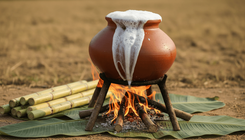
The pongal pot ritual sits at the heart of Pongal, the Tamil harvest festival celebrated in January. It is a ceremonial act of thanksgiving: you boil rice, lentils, jaggery and milk together in a clay pot until it spills over the top, symbolising abundance and overflow. The pot's boiling over is not just the climax of the ritual—it is the whole point. When the milk rises and flows across the flame, family members and neighbours cry out "Pongalo Pongal!", which means "may prosperity abound". This moment makes visible the gratitude the harvest brings.



What You Need for the Ritual
The pongal pot ritual requires few things, but each one carries meaning. You will need a new clay pot, ideally terracotta, which has not been used before. A new pot is considered pure and represents the fresh start of the new harvest season. You also need rice, preferably the new harvest if available; split yellow lentils (moong dal); jaggery (gur); whole peppercorns and ginger; and milk or a mixture of milk and coconut milk. Some families also add cashew nuts and raisins, fried in ghee.
The cooking takes place outdoors, over a fire or on a portable gas burner in an open space. Many families use dried sugarcane stalks and cow dung cakes to build the fire, linking the ritual directly to agriculture and cattle. The pot is placed on a tripod or on sticks arranged over the flames. You may decorate the cooking area with sugarcane stalks, turmeric plants, and banana leaves arranged in a circle, creating a sacred space. This setup grounds the ritual in the farmer's world.
Preparing the Ingredients
Begin by roasting the rice and moong dal separately in a dry pan over medium heat, stirring gently until they are golden and fragrant. This step, called bhunna, deepens their flavour and removes excess moisture so they will cook evenly. It takes about five to seven minutes for each. Set them aside to cool slightly.
Crush the peppercorns coarsely and slice the ginger into thin pieces. You will add these as the rice cooks to give the dish its warm, slightly spiced character. If you are adding cashews and raisins, fry them briefly in a little ghee until the cashews turn light golden, then set them aside. Some families prefer to keep these additions simple and skip them, letting rice, lentils, jaggery and milk be the only flavours. Both approaches are valid.
Have your milk ready in a separate vessel. If you are using a mix of milk and coconut milk, combine it beforehand. Some families in southern Tamil Nadu prefer pure coconut milk, while those in northern regions favour dairy milk. The jaggery should be roughly broken into smaller pieces so it dissolves easily. These preparations mean you can move quickly once you begin cooking, which matters because the ritual depends on a steady flame and the pot boiling over at the right moment.
Starting the Cook in the Ritual Pot
Once your fire is steady and hot, place the new clay pot on top and add the ghee or oil first. Let it warm for a moment. Add the prepared rice and moong dal, stirring for two to three minutes so they are well coated and the heat begins to draw out their flavour.
Pour in the milk or milk mixture slowly, stirring gently. The mixture should bubble gently at first. Now add the crushed peppercorns and ginger slices, and stir. The dish should smell warm and aromatic. Add the jaggery pieces and keep stirring so they dissolve evenly throughout. This stirring phase is not just practical—it is meditative. Many families use this time to speak words of gratitude, turning the cooking itself into an act of devotion.
Watch the pot carefully. The rice will gradually absorb the liquid and soften. You want the grains to stay separate and the dish to remain creamy rather than stodgy, so avoid over-stirring once the rice is tender. When the mixture begins to thicken and the milk rises to the surface, you are close. If you added cashews and raisins, fold them in now.
The Moment of Overflow
The pongal pot ritual reaches its crescendo when the mixture boils over the rim. This is the sign that abundance is flowing. Some families watch the pot intently and remove it from the heat just as it begins to overflow, while others let it spill onto the flame deliberately, watching the frothy overflow cascade down the sides. There is no single right way; it depends on your family tradition and what feels appropriate to you.
As soon as the overflow happens, neighbours and family members gathered to watch should raise their voices together: "Pongalo Pongal! Pongalo Pongal!" This cry fills the moment with collective joy and marks the successful completion of the ritual. Once the pot has boiled over, remove it from the heat and let it cool slightly.
After the Cooking
Once the pongal has cooled enough to handle safely, transfer it to serving bowls or plates lined with banana leaves. Offer the first portion to the sun as an act of gratitude, speaking words of thanks. The second portion is traditionally offered to cattle or left for birds, acknowledging their role in the harvest. The remaining pongal is distributed among family members and guests as prasad, blessed food.
Many families eat pongal with savourii (savoury snacks), pickles, and fresh vegetables. The day includes visits to temples and to the homes of friends and relatives, carrying pongal and sweets as gifts. Some regions also celebrate Mattu Pongal a few days later, when cattle are bathed, decorated and honoured for their work during the harvest season. This practice varies significantly across Tamil Nadu and neighbouring regions—in some areas cattle are central to the festival, while in others the emphasis falls more on the harvest itself.
The pongal pot ritual is not about perfection. It is about showing up with gratitude, moving with intention, and letting the simple act of boiling rice, lentils and milk become a prayer of thanksgiving for the earth's generosity.
How to Prepare and Cook Pongal
- Gather your ingredients and setup Collect a new clay pot, rice, moong dal, jaggery, milk, peppercorns, ginger, and ghee. Set up your cooking area outdoors with a fire or portable burner, a tripod or sticks to hold the pot, and optional decorations of sugarcane stalks and banana leaves. Ensure all ingredients are prepared and measured before you begin.
- Roast the rice and lentils In a dry pan over medium heat, roast the rice separately until golden, about five to seven minutes, stirring gently. Repeat with the moong dal. Set both aside to cool. This step removes excess moisture and deepens flavour.
- Prepare aromatics and additions Crush the peppercorns coarsely and slice ginger thinly. If using cashews and raisins, fry them briefly in ghee until golden. Combine your milk mixture in a separate vessel, and break jaggery into small pieces for easy dissolving.
- Heat the pot and add base ingredients Place the new clay pot on your fire. Once hot, add ghee, then the roasted rice and moong dal. Stir for two to three minutes until well coated and fragrant.
- Pour in milk and aromatics Slowly add your milk mixture, stirring gently. Add crushed peppercorns and ginger slices. Stir in the jaggery pieces and continue stirring so they dissolve evenly. The dish will gradually thicken.
- Watch for the boil-over As the mixture thickens and the milk rises to the surface, watch carefully. When it begins to boil over the rim of the pot, this is the moment of overflow. Remove from heat and let cool slightly.
- Cry out the blessing As the pot overflows, call out together with family and neighbours: 'Pongalo Pongal! Pongalo Pongal!' This shared cry marks the successful completion of the ritual and celebrates the overflow of abundance.
- Serve as blessed food Transfer the pongal to bowls or banana leaf plates. Offer the first portion to the sun with gratitude. Offer the second to cattle or birds. Serve the remaining pongal to family and guests as prasad.
Common questions
What does it mean when the pongal pot boils over?
The overflow symbolises abundance and the overflow of prosperity from a good harvest. The moment is so important that family and neighbours gather to witness it and call out 'Pongalo Pongal!' together, making it a shared celebration rather than just a cooking milestone.
Can I use a pot I already own instead of a new clay pot?
Traditionally a new terracotta pot that has never been used is preferred because it represents purity and a fresh start for the new harvest season. However, if a new pot is unavailable, some families adapt by using what they have while maintaining the spirit of the ritual.
What should I do if the mixture doesn't boil over?
If the pongal thickens but does not overflow, you can still complete the ritual by gently tipping the pot so the mixture spills over deliberately, or simply serving what you have made with the same gratitude and intention. The overflow is auspicious but the act of cooking together with care is what truly matters.

Related Articles


