
How to Perform Aarti: the Thali, the Lamp and the Circling Motion
Meet the deity with light and devotion

Aditya Pandey
15 Nov 2026 • 8min
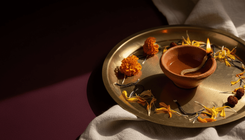
Aarti is a moment of direct connection. You light a diya or lamp, hold it before the deity, and move it in a circular motion while bells ring and others sing. It is one of the simplest rituals to perform and one of the most meaningful. This is how you do it.



What aarti is and why it happens
Aarti is an offering of light to the divine. The word comes from Sanskrit meanings related to removal of darkness or darkness itself: in aarti, light dispels the ignorance that separates you from the sacred. The flame you carry represents consciousness, the presence of the divine in all things. When you circle the lamp before the deity, you are not asking for anything. You are acknowledging what is already there.
Aarti marks the peak of a puja, or worship ritual. Once you have offered flowers, incense, water and food, the final act is to offer light. This is why you see aarti at temples and homes at dawn and dusk, when the light outside is weakest and the contrast between the flame and the darkness is sharpest. Some temples perform aarti several times a day, and many devotees at home light a small diya during their morning or evening prayers.
Preparing the aarti thali
The aarti thali is a metal plate, usually circular, on which you arrange the items for the ritual. A brass or copper plate works best, though stainless steel is common. The traditional thali is about the size of a dinner plate, with a slight rim to hold small objects.
At minimum, the thali holds a diya—an oil lamp made of clay or metal with a wick. The diya is filled with ghee or oil and the wick is lit before the ritual begins. Some people include a second small diya or a candle if the main diya is small. You may also place a small bell on the thali, though many people hold it separately or ring a larger bell hanging from the shrine.
Some households add other items to the aarti thali: a small container of water, flowers, or incense. None of these are required—the essential elements are the lamp and your intention. A bare thali with a single lit diya is complete. What matters is that you begin with the flame already burning, so that you step into the ritual with the offering already made.
Performing the circling motion
This is the heart of aarti. Stand or sit before the deity, facing directly toward the image or murti. Hold the thali with both hands or with one hand, keeping it steady. The diya should be at about chest height.
Now move the thali in a slow circle in front of the deity, from right to left—that is, clockwise when seen from above. The motion should be smooth and continuous, not jerky. Most people make three, five, or seven circles, though the number varies by tradition and temple. Some perform a single slow circuit; others move faster and repeat many times. There is no single rule. The circling continues while someone rings a bell or sings, and the rhythm often follows the music.
The direction matters: moving clockwise (right to left as you face outward) honours the divine. You are moving in the direction of the sun's path through the sky. Some regions and traditions move in other ways—left to right, or up and down—so follow what you have learned or what feels natural in your practice.
As you circle, your eyes stay on the deity. The light from the diya illuminates the image. This is not a time for distraction; it is a moment of attention and presence. Many people find that the repetitive motion and the circle of light naturally calm the mind.
When the circling ends
As the circling finishes, bring the aarti thali to your forehead in a gesture of respect and gratitude. Then hold the thali in front of your chest. It is common at this point for people standing around the shrine to come forward. They cup their hands and pass them through the smoke and heat above the diya, then touch their hands to their face and eyes. This is called taking the aarti—receiving the blessing of the light. If you are performing aarti at home with family members, you may offer them this moment.
The diya remains lit after the circling ends. It may burn down on the shrine or in front of the deity throughout your prayers. Some people place it in a safe place and let it burn out. Others extinguish it consciously before leaving the puja space. There is no harm in either approach, but leaving the diya to burn completes the sense of continuous offering.
Aarti in different traditions and places
How aarti is performed varies by region, by household, and by the particular deity or occasion. In temples in South India, elaborate aarti may involve multiple lamps and large bells rung by priests. In North Indian temples, aarti often happens quickly and formally, timed to the hour. At home, you might perform aarti quietly and alone, or with the family gathered around.
Some traditions use ghee, others use oil in their diyas. Some prefer silk wicks, others cotton. Some households add camphor to the flame at the moment of aarti, creating a bright burst of light. These differences are not matters of right and wrong; they are the textures of practice carried through families and regions.
What remains the same across all these variations is the basic shape: light offered, circled before the sacred, and the moment of presence it creates. You can perform aarti exactly as your family does it, or learn to do it in a temple you visit, or develop your own simple practice at home.
Aarti as daily practice
Once you have performed aarti, you may find it becomes a natural part of your day. Many people light a small oil lamp each morning or evening as part of their prayers. The ritual takes only a few minutes, but the effect is different from other offerings. The light is alive; the flame moves and flickers. Your attention has to remain with it.
If you have never performed aarti, the best way to learn is to watch someone do it in a temple, or to ask a family member who knows how. Then try it yourself. The thali need not be ornate or costly. A simple brass plate and a clay diya are enough. Light the lamp, circle it slowly before the deity or sacred space, and notice what happens in that moment of offering. This is aarti.
Perform aarti
- Prepare your thali and diya Place a lit diya on a brass or metal plate. You may add a small bell to the thali, or hold one separately. The diya should already be burning before you begin the circling motion.
- Face the deity Stand or sit directly before the image or murti you are offering to. Hold the thali with one or both hands, keeping it steady at about chest height.
- Circle slowly and mindfully Move the thali in a continuous, smooth circle from right to left (clockwise when seen from above). Make three, five, or seven circles while someone rings a bell or sings, or continue for as long as feels right in your practice.
- Bring the thali to your forehead As the circles end, lower the aarti thali and bring it to your forehead in a gesture of respect. This completes the main offering.
- Offer the blessing to others Hold the thali in front of your chest so others may come forward, cup their hands through the smoke and heat above the diya, then touch their hands to their face. This is called taking the aarti.
- Complete the ritual The diya may burn down on the shrine or be extinguished consciously. Either way marks the end of the aarti offering.
Common questions
Can I perform aarti with a candle instead of a diya?
Yes, you can use a candle if a diya is not available, though a clay or metal oil lamp is traditional. The essential element is the living flame. A candle works well for daily home practice and is often safer and easier to manage than an open oil diya.
What if I move the thali the wrong direction?
Clockwise (right to left as you face the deity) is traditional, but some regions and temples follow different practices. If you are learning at home or in a temple, follow the method used there. The direction carries meaning, but your sincere intention matters most.
How many times should I circle the thali?
Three, five, or seven circles are most common, though some people do one slow circle or more. There is no single rule across all traditions. Watch how it is done at your temple or in your family, or choose a number that feels natural to you.

Related Articles


