
How to Make Cumin, Coriander and Fennel Tea for Digestion
Three seeds, one gentle aid to digestion

Abhilash Ramakrishna
18 Nov 2026 • 8min
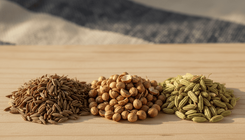
Cumin, coriander and fennel tea—often called CCF tea—is a simple digestive drink made from three seeds that have been used in Ayurvedic practice for thousands of years. Each seed carries distinct qualities that work together to settle the stomach, ease bloating and support the body's natural digestive fire. The tea is light, warming and easy to prepare, making it one of the most accessible Ayurvedic remedies for everyday digestive comfort.



Why these three seeds together
Ayurveda teaches that each spice has its own nature and action on the body. Cumin heats and stimulates digestion, helping to break down food and kindle agni, the digestive fire. Coriander cools and soothes, bringing balance to that warmth and calming inflammation. Fennel brings sweetness and gentleness, easing gas and promoting the smooth flow of food through the digestive tract. In combination, the three seeds address bloating, heaviness and sluggish digestion without overheating the system. They work on all three doshas—vata, pitta and kapha—because each balances what the others can create in excess. This balance is why CCF tea suits almost anyone, and why Ayurvedic practitioners recommend it so widely.
The seeds are dried, which concentrates their beneficial properties. When steeped in hot water, their oils and compounds infuse into the tea, creating a drink that is gentle enough for daily use but effective enough to make a real difference after a meal.
How the tea affects digestion
When you drink CCF tea, you are not just soothing your stomach—you are working with the digestive process itself. Cumin and fennel stimulate the secretion of digestive juices, helping your body break down food more completely. This reduces the fermentation that leads to bloating and gas. Coriander's cooling action prevents the heat of digestion from building too much, which can leave you feeling inflamed or irritable after eating. Together, the three seeds also support the movement of food through your digestive system, so nothing sits and stagnates. This is why the tea works best when drunk after a meal, when digestion is active and most needs support.
In Ayurvedic terms, CCF tea addresses all three types of agni imbalance. If your digestive fire is low and sluggish, the warmth of cumin and fennel brings it up. If it burns too hot and causes acidity or loose stools, coriander brings it into balance. The tea also helps clear ama—partially digested food that builds up when digestion is weak—which Ayurveda considers the root of many discomforts.
Preparing the tea
The most common way to make CCF tea is to steep whole seeds in hot water. Use equal parts cumin, coriander and fennel seeds—about one teaspoon of each, or one tablespoon of the mixture if you blend them ahead of time. Pour one cup of just-boiled water over the seeds and let them steep for five to ten minutes. The longer you steep, the stronger the flavour and the more the beneficial compounds infuse. Strain out the seeds and drink the tea warm, ideally within a few minutes of a meal.
Some people prefer to lightly toast the seeds before steeping, which brings out their warmth and aroma and can make the digestive effect a little stronger. To toast, dry-roast the seeds in a pan over medium heat for two to three minutes, stirring often so they do not burn. Let them cool slightly, then steep as usual.
You can also simmer the seeds in water on the stove for a few minutes rather than steeping them in a cup. This extracts more from the seeds and creates a slightly stronger tea. Bring one and a half cups of water to a boil, add the seeds, reduce heat and simmer for five minutes, then strain. This method is especially good if you are preparing tea for the whole day or want a deeper infusion.
When and how often to drink it
CCF tea is best drunk warm, soon after a main meal. Drink it slowly, allowing it to coat your digestive tract and work gently as food moves through. Most people find one cup after lunch or dinner is enough. You can drink it daily without concern—many Ayurvedic practitioners recommend making it a habit, especially if you have a tendency toward bloating, heaviness or sluggish digestion.
If you have particularly sensitive digestion or are new to Ayurvedic herbs, start with a weak brew—fewer seeds or a shorter steep—and see how your body responds. Some people feel the effects within minutes; others notice a shift over several days of consistent use. If you are pregnant, nursing or taking medications, check with a healthcare provider before making herbal tea part of your routine, especially if you are using it as a remedy rather than an occasional beverage.
The tea is especially welcome in winter and spring, when digestion tends to slow and heaviness is more likely. It is also useful after a heavy or rich meal, when your digestive fire might need extra support. In summer, when pitta is naturally high, some people reduce how often they drink it or use more coriander to keep the cooling quality strong.
Variations and regional practices
While the classic recipe uses equal parts of all three seeds, some Ayurvedic traditions adjust the proportions based on what they are addressing. In regions where vata imbalance is common—loose stools, gas, anxiety—practitioners sometimes increase the fennel and reduce the coriander, making the tea warmer and more nourishing. Where pitta is the main concern—acidity, inflammation, loose stools—more coriander is used to bring cooling. Some families add a small piece of ginger or a pinch of black pepper to warm the digestion further, or a few leaves of fresh mint or tulsi to cool and freshen the blend.
A few people prefer to chew the seeds whole rather than making tea, and this works too, though less of the benefit infuses. Others blend the toasted seeds into a powder and mix it with warm water or ghee. None of these variations is more correct than the others; they are simply adaptations that families and practitioners have developed over time. The core principle stays the same: these three seeds, together and warm, support digestion.
Storing your supplies
Keep whole cumin, coriander and fennel seeds in airtight containers away from heat and light. They hold their potency for several months to a year when stored properly. Many people keep a small jar of pre-mixed CCF seeds ready to use, which makes brewing the tea a matter of moments. Label the jar with the date you mixed it so you know when to refresh the blend. Seeds that are no longer aromatic have begun to lose their beneficial properties and should be replaced.
If you buy pre-made CCF tea blends, check the ingredient list to make sure they contain only the three seeds with no fillers or additives. Some commercial blends add other herbs that might not suit your digestion or dosha, so simple is usually best. Making your own tea from whole seeds you have sourced yourself gives you complete control over what you are consuming and is often more economical too.
Brew CCF Tea
- Measure the seeds Use one teaspoon each of cumin, coriander and fennel seeds, or combine them in equal parts and measure one tablespoon of the blend. Whole seeds work better than ground, as they retain their properties longer.
- Boil water Bring one cup of fresh water to a boil in a kettle or pot.
- Pour and steep Place the seeds in a cup or teapot and pour the just-boiled water over them. Let them steep for five to ten minutes—a longer steep creates a stronger tea.
- Strain Pour the tea through a fine sieve or strainer into a cup, leaving the seeds behind. Compost or discard the spent seeds.
- Drink warm Sip the tea slowly while it is still warm, ideally within a few minutes of finishing a meal. There is no need to add honey, milk or sugar unless you prefer it.
Common questions
Can I drink cumin, coriander and fennel tea every day?
Yes, CCF tea is mild enough for daily use and many Ayurvedic practitioners recommend making it a regular habit, especially if you have a tendency toward bloating or sluggish digestion. Start with a weak brew if you are new to herbal teas, and stop if you notice any discomfort.
How long after eating should I drink the tea?
Drink it within a few minutes of finishing a meal, or up to about an hour afterward. The tea works best when your digestive system is actively processing food and most needs support. Drinking it on an empty stomach is generally less effective.
What is the difference between steeping and simmering the seeds?
Steeping in a cup of just-boiled water for five to ten minutes creates a gentler tea and is faster. Simmering seeds on the stove for a few minutes creates a slightly stronger infusion. Both methods work; choose based on how strong you want the tea and how much time you have.

Related Articles


