How to Do Surya Namaskar?
A Complete Step-by-Step Guide

Shanti Arunkumar
01 Mar 2025 • 6min
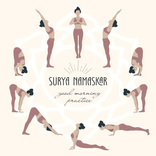
Surya Namaskar, or Sun Salutation, is a dynamic sequence of 12 yoga poses performed in a flow, synchronized with deep breathing. It is a complete body workout that enhances flexibility, strengthens muscles, and improves circulation.
Step-by-Step Guide to Surya Namaskar
Each round of Surya Namaskar consists of two sets of 12 poses. Follow these steps carefully, ensuring smooth and mindful transitions between poses.



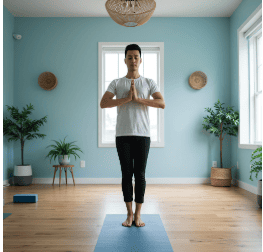
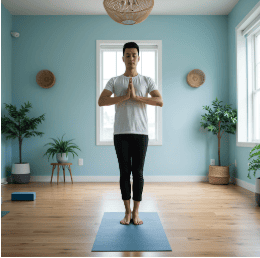
Step 1: Pranamasana (Prayer Pose)
- Stand upright at the edge of your mat with feet together.
- Keep your spine erect, shoulders relaxed, and palms joined in Namaste at your chest.
- Inhale deeply and focus on your breathing.
👉 This pose helps to center the body and mind before beginning the sequence.
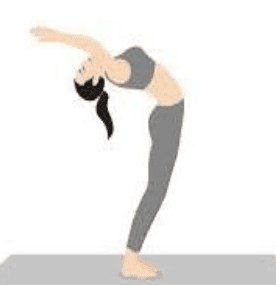
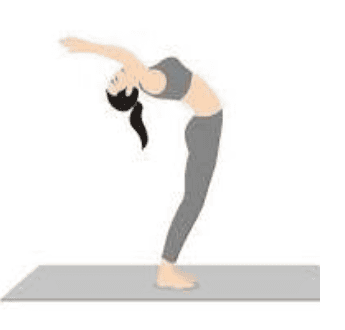
Step 2: Hasta Uttanasana (Raised Arms Pose)
- Inhale and lift your arms up and back, stretching your entire body.
- Arch your back slightly while keeping your arms straight.
- Engage your core and stretch upward.
👉 This stretches the abdomen and spine, opening the chest and improving lung capacity.
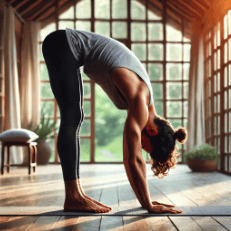
Step 3: Padahastasana (Standing Forward Bend)
- Exhale and bend forward from your waist, keeping your spine straight.
- Bring your hands down to touch your feet. If you cannot reach, keep your knees slightly bent.
- Try to touch your forehead to your knees.
👉 This pose stretches the hamstrings, strengthens the legs, and improves digestion.
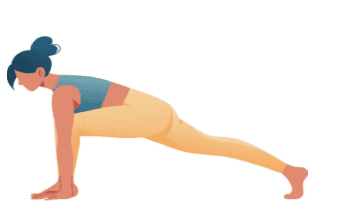
Step 4: Ashwa Sanchalanasana (Equestrian Pose)
- Inhale and stretch your right leg back as far as possible.
- Bend your left knee at a 90-degree angle and keep your palms on the ground.
- Look up and keep your chest open.
👉 This stretches the thighs and opens up the hip flexors.
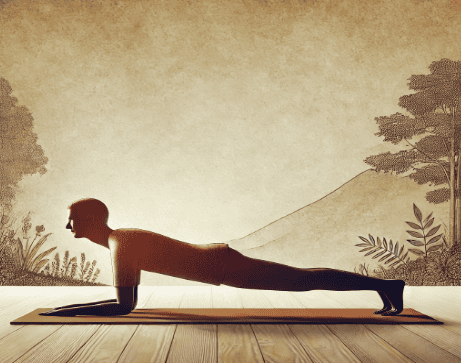
Step 5: Dandasana (Plank Pose)
- Exhale and take your left leg back, bringing your body into a straight-line plank position.
- Engage your core and keep your wrists aligned with your shoulders.
👉 This pose strengthens the arms, core, and legs while improving stability.
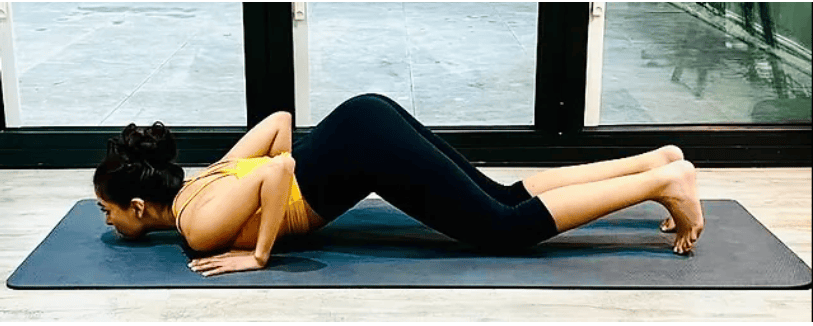
Step 6: Ashtanga Namaskara (Eight-Limbed Pose)
- Exhale and lower your knees, chest, and chin to the floor while keeping your hips slightly elevated.
- Ensure that your hands, chest, and chin touch the mat while elbows stay close to your body.
👉 This pose builds arm strength and prepares the body for deeper backbends.
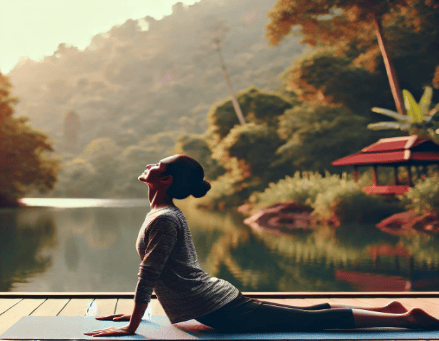
Step 7: Bhujangasana (Cobra Pose)
- Inhale and slide forward, lifting your chest into Cobra Pose.
- Keep your elbows slightly bent and shoulders away from your ears.
- Look upward while engaging your lower back.
👉 This strengthens the spine, opens the chest, and improves posture.
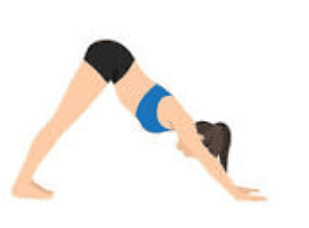
Step 8: Adho Mukha Svanasana (Downward-Facing Dog Pose)
- Exhale and lift your hips up, forming an inverted "V" shape.
- Keep your heels as close to the floor as possible and stretch your back.
- Relax your head and neck while looking at your navel.
👉 This pose improves circulation, stretches the entire back, and relieves stress.
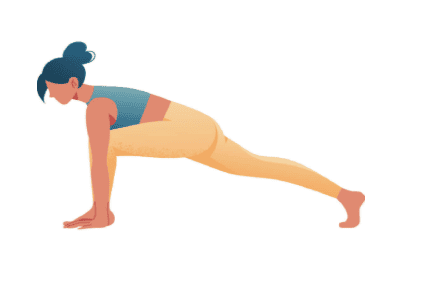
Step 9: Ashwa Sanchalanasana (Equestrian Pose - Opposite Leg)
- Inhale and bring your right foot forward between your hands.
- Keep your left leg extended back and look upward.
👉 This repeats the stretch on the opposite leg.
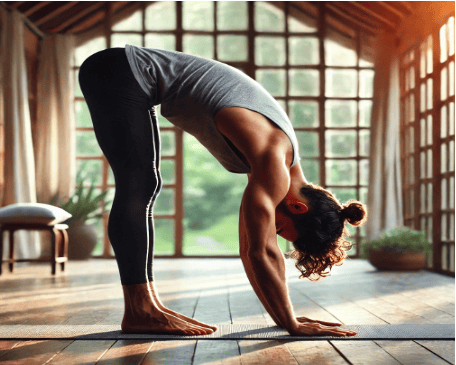
Step 10: Padahastasana (Standing Forward Bend)
Exhale and bring your left foot forward, returning to a forward bend.
Keep your hands on the floor and stretch your hamstrings.
👉 This helps in releasing tension from the back and legs.
Step 11: Hasta Uttanasana (Raised Arms Pose)
- Inhale and raise your arms back up while arching your back slightly.
- Keep your core engaged and stretch upward.
👉 This re-energizes the spine and improves balance.
- Exhale and return to the starting position with hands in Namaste.
- Stand tall, take a deep breath, and feel the effects of the practice.
👉 This completes one round of Surya Namaskar.
Tips for Practising Surya Namaskar
- Practice on an empty stomach for better energy flow.
- Synchronize breath with each movement for a smooth flow.
- Start slowly, then gradually increase speed and repetitions.
- Maintain awareness and mindfulness in each pose.
- Perform at least 6-12 rounds daily for optimal benefits.
Benefits of Surya Namaskar
- Improves Flexibility: Stretches muscles and enhances mobility.
- Strengthens Muscles & Joints: Works on the core, arms, legs, and back.
- Boosts Circulation & Digestion: Enhances metabolism and promotes detoxification.
- Balances Mind & Body: Reduces stress and increases mental clarity.
- Promotes Weight Loss: Burns calories and tones the body effectively.
Incorporating Surya Namaskar into your daily routine can significantly enhance your physical health and spiritual well-being. To further support your spiritual journey, the Dharmayana app offers a comprehensive suite of features, including daily prayers, detailed guides on Hindu festivals, and personalized horoscope insights. Download the Dharmayana app today to deepen your practice and stay connected to your spiritual path.

Related Articles
Try a fuller and better experience on the
Dharmayana App