
How to Dispose of Nirmalya: Respectfully Managing Puja Flowers and Offerings
Sacred Remains, Mindful Practice

Kushal K
16 Nov 2026 • 8min
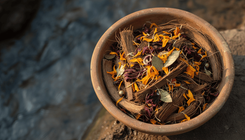
When you complete a puja, the flowers, fruits, coconut and other materials you offered have become nirmalya—literally "without blemish," the sanctified remnants of worship. Disposing of nirmalya respectfully is not an afterthought to your practice; it is the final, necessary part of honoring what you have offered. Throwing these items in the bin contradicts the care you showed during worship and creates a spiritual incompleteness. There are clear, time-tested ways to handle them.



Why nirmalya matters in practice
In Hindu worship, an offering is not finished when you place it on the altar. The act of placing it, the time it spends in the deity's presence, and the manner of its disposal all form one continuous act of devotion. The flowers, fruit and other items touched by your hands and your intention have absorbed the energy of your puja. They are no longer ordinary waste.
Nirmalya is treated with reverence because it has been in contact with the sacred. Some traditions hold that disposing of it carelessly diminishes the merit of your entire worship. Others see careful disposal as a way of completing the cycle—you offer with respect, the deity accepts, and you release what remains with the same respect. The practice teaches that reverence does not stop at the moment of offering; it extends to how you treat what the deity has accepted and returned to you.
Flowing water: the primary method
The most widely accepted way to dispose of nirmalya is to immerse it in flowing water—a river, stream or other moving body of water. This practice appears across India's regions and sampradayas, though the specific waters vary by place. In many towns and cities, people bring flowers and offerings to rivers or water tanks specifically for this purpose, especially after major pujas or festivals.
Why flowing water? Water is understood as a purifying and transformative medium. Immersing nirmalya in it returns the offerings to nature in a form that continues to serve—flowers decompose and nourish aquatic life, fruit becomes food for fish and birds. The flow carries the remains onward, which symbolizes the release of what has been offered and the completion of the devotional act. If you live near a river or stream, carrying your nirmalya there is the ideal practice. If no river is accessible, even a well or large tank can serve, though flowing water is preferred.
In some regions, devotees make a point of immersing nirmalya only at certain times—often during early morning hours when fewer people are around and the water is considered especially pure. Some traditions specify particular days or times based on the lunar calendar, though daily immersion is also widely practiced and accepted.
Dry disposal in gardens and open ground
Where water immersion is not feasible—if you live far from any natural water source, or if local conditions make it impractical—burying nirmalya in earth is an acceptable alternative. The practice is especially common in rural areas and in homes with gardens.
Dig a small hole in clean ground away from the main path, at least a few meters from your kitchen or living spaces. Place the flowers and other offerings in it and cover them with soil. Fallen leaves, coconut husks and other plant material can be added. This returns the offerings to the earth, where they will decompose naturally and enrich the soil. Some families do this in a designated corner of their garden, creating a small sacred space for the purpose. The key is that the disposal happens on your own land, with intention, not casually or mixed with household refuse.
A few guidelines matter here. Do not bury nirmalya near a well or water source that supplies drinking water. Do not place it where animals are likely to dig it up. And do not use this method if your offerings included non-biodegradable items like plastic or metal decorations—remove those first and dispose of them separately. The nirmalya itself should be only the natural materials that were part of the worship.
Idols and larger ritual objects
Disposing of idols and murtis (statues) follows different rules from flowers and fruit. A murti that has been consecrated and worshipped cannot simply be thrown away. The most respectful method is immersion in water, usually a river. This is often done communally—temples and puja groups may organize immersion ceremonies, particularly after major festivals or when an idol has become damaged or unserviceable.
If a murti is made of clay or natural materials, immersion allows it to return to the elements. If it is made of metal or stone, the immersion itself is less about the material dissolving and more about the symbolic release—the deity is honored by the act of return. Some communities have specific immersion ghats (steps leading to water) where idols are traditionally taken. In towns without rivers, some temples have created artificial ponds or tanks for the purpose, and some communities work with local authorities to arrange ceremonial immersion in available water bodies.
Do not bury a consecrated idol in the ground or leave it in a temple store without intention. If you have an old murti you cannot immerse, contact your local temple; they often have established practices for handling such items respectfully, sometimes including re-consecration if the murti is still sound, or safe storage until a proper ceremony can occur.
Prasad and food offerings
Prasad—blessed food returned to worshippers after being offered—is consumed, not disposed of. But if you have leftover prasad that cannot be eaten, treat it with care. Do not throw it in the bin. Prasad that has been directly offered should be eaten or, if that is not possible, immersed in water or buried in earth as you would flowers. Some people feed leftover prasad to cows or other animals, which is considered honoring the offering. Others place it where birds can find it.
If prasad has been cooked for a puja and some remains uneaten, it can be composted with other food waste, but it is best to consume or distribute it first. The principle is that what has been blessed should not end up as unmarked trash.
Integration into daily life
Nirmalya disposal does not need to be elaborate. If you do daily pujas, you may immerse flowers in a large vessel of water each evening, then carry that water to a plant or pour it into the soil of a garden the next morning. Many households keep a small container near their altar for collecting flowers and offerings through the day, then handle them together at a convenient time. The practice becomes integrated into your routine rather than a burden.
What matters is intention and consistency. Each time you dispose of nirmalya thoughtfully, you reinforce the understanding that worship is complete only when you have honored both the offering and its return. Over time, this becomes second nature—as natural as lighting the lamp before you begin.
Dispose of nirmalya respectfully
- Collect offerings after puja Gather flowers, fruit, coconut and other materials that touched the altar into a clean container. Remove any non-biodegradable items like plastic decorations or metal clips first.
- Choose immersion or burial If water is accessible, carry the nirmalya to a river, stream or large tank for immersion. If not, prepare clean ground in a garden or open space away from your home and drinking water sources.
- Immerse in flowing water Approach the water respectfully and gently place the nirmalya into it, allowing it to disperse naturally. Do not throw it in forcefully. If using a tank or well, place it in the water and let it settle.
- Bury in earth if needed Dig a hole at least a few meters from main paths and water sources. Place the offerings in the hole, add any fallen leaves or natural waste, and cover completely with soil.
- Complete the practice with intention Whether immersing or burying, pause briefly to acknowledge the completion of the cycle—you have offered with care, the deity has accepted, and you are returning what remains to nature with respect.
Common questions
Can I throw nirmalya in the regular bin?
No. Nirmalya that has been offered to a deity should not be treated as ordinary waste. Immersion in water or burial in earth is the respectful practice. Throwing it in the bin contradicts the reverence shown during worship and is considered spiritually incomplete.
What if I don't have access to a river?
Burial in clean earth is an accepted alternative. Dig a hole at least a few meters from your home, away from drinking water sources, and cover the offerings with soil. A designated corner of a garden works well. The key is that disposal happens with intention on appropriate ground, not mixed with household refuse.
How should I dispose of an old puja idol?
Consecrated idols should be immersed in water, ideally a river, in a ceremony if possible. Contact your local temple; many organize group immersions or have established practices. Do not bury a consecrated murti or leave it unattended. If immersion is not immediately possible, store it respectfully at a temple until a proper ceremony can occur.

Related Articles


