
How Asana Names Connect Yoga to Mythology
Ancient stories live in the poses you hold

Sunil Chaurasia
12 Nov 2026 • 6min
When you move into Hanumanasana, the monkey pose, you are stepping into the story of Hanuman, the devotee who leaped across the ocean to reach Lanka. When you find balance in Vrikshasana, the tree pose, you embody the stillness of a rooted tree. Asana names are not random Sanskrit labels: they connect the physical practice of yoga to the myths, natural world and spiritual figures of Hindu tradition. Understanding what these names mean and the stories behind them deepens your practice far beyond the mechanics of alignment.
Most asana names come from four sources: animals and creatures, natural objects, deities and heroes, and sages or legendary figures. The name itself tells you something about how to inhabit the pose. When you recognise this, the name becomes a bridge between your body, your breath, and the wisdom tradition that shaped yoga over thousands of years.



The Mythological Heroes and Deities
The most well-known asana names come from stories. Hanumanasana, the deep forward bend named for Hanuman, draws from his devotion and incredible strength. In the Ramayana, Hanuman is described as agile, powerful and utterly devoted to Rama. The pose asks your body to embody a quality of that leap: extension, openness, and the reaching forward of the heart. It is a challenging pose, and the struggle reflects Hanuman's own striving.
Natarajasana, the dancer's pose, honours Shiva in his form as Nataraja, the cosmic dancer. In temple sculpture and philosophy, Shiva's dance represents the cycles of creation, preservation and dissolution. When you hold this pose, you are meant to feel the grace, balance and rhythm that the posture evokes. Your body becomes a small version of that cosmic dance.
Similarly, Bhairavāsana is named for Bhairava, a fierce form of Shiva, while Anjaneyasana honours Anjaneya, another name for Hanuman. Each of these names carries the quality or story of the being it represents. The pose is not just a shape; it is an invitation to embody something of that presence.
Animals, Birds and Natural Creatures
Many asanas take their names from animals. Marjaryasana, the cat pose, mirrors the stretch of a waking cat. Bitilasana, the cow pose, is often paired with it as part of the familiar cat-cow sequence. These are not poetic exaggerations. When you move into the pose, you are meant to feel the natural movement of the animal itself. The breath flows with the action, just as it would for the creature.
Adho Mukha Svanasana, downward-facing dog pose, is perhaps the most widely known animal posture. The name describes the physical shape exactly: the dog's head points forward and down. Urdva Mukha Svanasana reverses this, with the face and chest lifted. These poses align your body with how the animal naturally moves and holds itself.
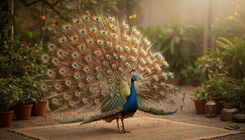
Sirsasana, scorpion pose, and Vrschikasana take their names from the scorpion's distinctive arched back and poised tail. Mayurasana, the peacock pose, evokes the birds display and power. Each animal pose teaches you something about that creature's way of being in the world.
Trees, Mountains and the Natural World
Other asanas honour nature itself. Vrikshasana, the tree pose, is one of the first balance poses many people learn. A tree stands rooted and still, yet grows upward. The pose teaches stability through connection to the earth, and the reaching quality of growth. When you stand in Vrikshasana, you are learning from the tree's own practice of remaining present and grounded.
Parvathasana, mountain pose, offers another foundation. The mountain stands solid, immovable and vast. Parvata means mountain in Sanskrit, and the pose reflects those qualities. Vrschikasana brings together the animal and the earth: the scorpion arches its back against the rocky ground where it lives.
Chakrasana, the wheel pose, is named for the circle and for chakras, the energy centres of yogic philosophy. The body forms a circle, reflecting the cyclical nature of energy and time in Hindu cosmology.
Sages and Yogis
Some asanas honour the ancient sages. Vasisthasana is named for Vasistha, one of the Sapta Rishis, the seven great sages of Hindu tradition. The pose demands both strength and focus, qualities that a great sage embodies. Virabhadrasana, the warrior pose, is named for a fierce warrior created by Shiva, though scholars debate the exact mythological reference.
Ardha Chandrasana, the half moon pose, and Chandrasana are named for the moon. In Hindu tradition, the moon holds a place of calm and reflection. The crescent shape mirrors both a lunar phase and a quality of ease.
How the Names Deepen Your Practice
Knowing the story or meaning behind an asana can shift how you experience it. When you move into a pose while holding its mythology or natural reference in mind, the practice becomes richer. You are not just stretching or strengthening; you are connecting with something larger than yourself.
For many practitioners, the Sanskrit name is the beginning of curiosity. Why is this pose called what it is? What was the maker of yoga trying to convey? The answer often points back to the natural world, to stories that have shaped Indian culture for millennia, and to qualities that the pose develops in the body and mind.
This is why classical yoga texts like the Yoga Sutras of Patanjali focus on asana as a vehicle for steadiness and ease, not just physical fitness. The name and the story are part of that vehicle. They remind you that yoga is not a modern invention. It is a tradition rooted in observation of the natural world and in the spiritual wisdom of Hindu philosophy.
When you return to these poses in your practice, you carry that context with you. The pose becomes a small doorway into a vast tradition. That is the gift of understanding asana names mythology: the practice becomes a conversation between your body, the natural world, and the wisdom of those who came before.
Common questions
Why do yoga poses have Sanskrit names?
Sanskrit names connect yoga to its ancient Indian origins and the tradition's mythology, philosophy and relationship to nature. The names themselves carry meaning that deepens your understanding of each pose. For example, Marjaryasana means cat pose and teaches you to move like a cat moves naturally.
Can I practise yoga without learning what the names mean?
Yes, many people practice yoga without knowing the stories or meanings. However, learning the names can enrich your practice by connecting the physical posture to a larger spiritual and cultural context. It transforms a sequence of shapes into a conversation with an ancient tradition.
Are all asana names based on real animals or deities?
Most asanas are named for animals, plants, deities, sages or natural phenomena. Some names describe the shape of the pose directly, like Ardha Chandrasana (half moon), while others reference Hindu mythology or spiritual figures. A few modern poses have been named by teachers for practical qualities, but the classical asanas draw from this deeper tradition.

Related Articles


