Holi Festival
The Vibrant Celebration of Colors, Traditions, and Eco-Friendly Practices.

S Raj Abhinay
13 Mar 2025 • 7min
Introduction
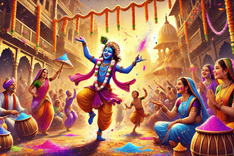
Holi, often referred to as the Holi festival of colors, is one of the most vibrant and joyous festivals celebrated in India. It marks the arrival of spring and symbolizes the victory of good over evil. The festival is deeply rooted in Hindu mythology and is celebrated with immense enthusiasm across different regions of India. People gather to play Holi games, smear each other with colors, enjoy traditional Holi festival food, and exchange gifts for Holi festival.
This blog explores the real story behind Holi, its mythological origins, cultural significance, and eco-friendly celebrations.
The Mythological Origins of Holi
The Legend of Prahlad and Holika
One of the most well-known stories behind Holi is the legend of Prahlad and Holika, which represents the triumph of devotion and righteousness over arrogance and evil.
Prahlad: A young devotee of Lord Vishnu and the son of the demon king Hiranyakashipu.
Hiranyakashipu: A powerful demon king who wanted to be worshipped as a god.
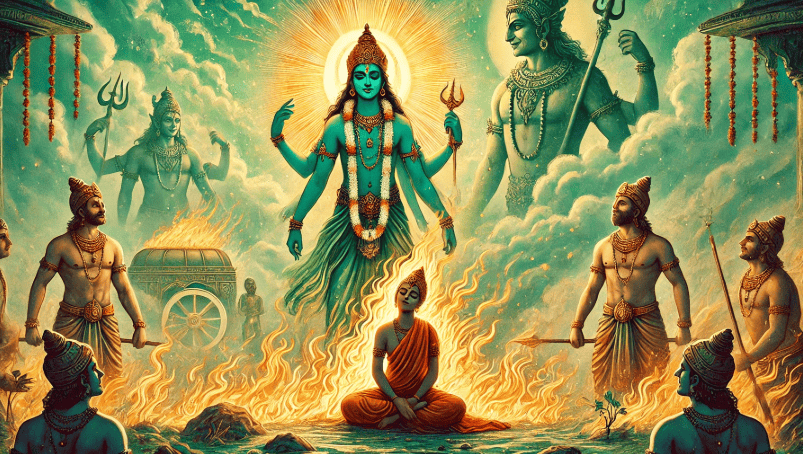
Holika: Hiranyakashipu's sister, who had a magical boon that made her immune to fire.
Hiranyakashipu, after gaining immense power, declared himself a god and demanded that everyone worship him. However, his son Prahlad remained a staunch devotee of Lord Vishnu. Enraged, Hiranyakashipu attempted to kill Prahlad multiple times, but Prahlad survived each attempt due to divine intervention.
Finally, Hiranyakashipu conspired with his sister Holika to kill Prahlad. Holika tricked Prahlad into sitting on her lap in a blazing pyre, relying on her immunity to fire. However, due to divine justice, Holika was burned to ashes while Prahlad remained unharmed. This event symbolizes the victory of good over evil and is commemorated with the ritual of Holika Dahan.
How the Name "Holi" Came into Place
The festival gets its name from Holika, the demoness who perished in the fire. The word "Holi" is derived from the Sanskrit word "Holaka," meaning "burning," which signifies the destruction of evil forces and the arrival of positivity.
Holika Dahan: The Night Before Holi
The night before Holi, people gather to perform the Holika Dahan ritual. Large bonfires are lit in various parts of India, symbolizing the burning away of evil and negativity.
People also throw grains, coconut, and wood into the fire as offerings and pray for prosperity. This ritual represents purification and the triumph of faith over arrogance.
Traditions of Holi Across India
Holi is celebrated with unique traditions in different parts of Holi festival India. Each region has its own way of marking this grand occasion.
1. North India
Holika Dahan is performed on the night before Holi.
People celebrate by throwing gulal (colored powders) and splashing water.
Traditional Holi festival food like gujiya, malpua, and thandai are prepared.
2. Barsana, Uttar Pradesh: Lathmar Holi
Women playfully hit men with sticks (lathis) in a symbolic act of teasing, inspired by the playful nature of Lord Krishna and Radha.
3. Vrindavan & Mathura: Phoolon ki Holi
Instead of colors, flowers are used to play Holi, making it a fragrant and beautiful spectacle.
4. West Bengal: Dol Jatra
Celebrated as Dol Purnima, idols of Radha and Krishna are placed on swings, and natural colors are used for celebration.
5. Punjab: Hola Mohalla
Sikhs celebrate Hola Mohalla, a festival of martial arts, horse riding, and poetry, a day after Holi.
6. Maharashtra: Rang Panchami
Celebrated five days after Holi with colors and folk dances.
Puran poli, a sweet dish, is traditionally prepared.
The Evolution of Holi: From Traditional to Eco-Friendly Celebrations
Holi was originally celebrated using natural colors derived from plants, flowers, and herbs. However, in modern times, synthetic colors and plastics have raised environmental and health concerns.
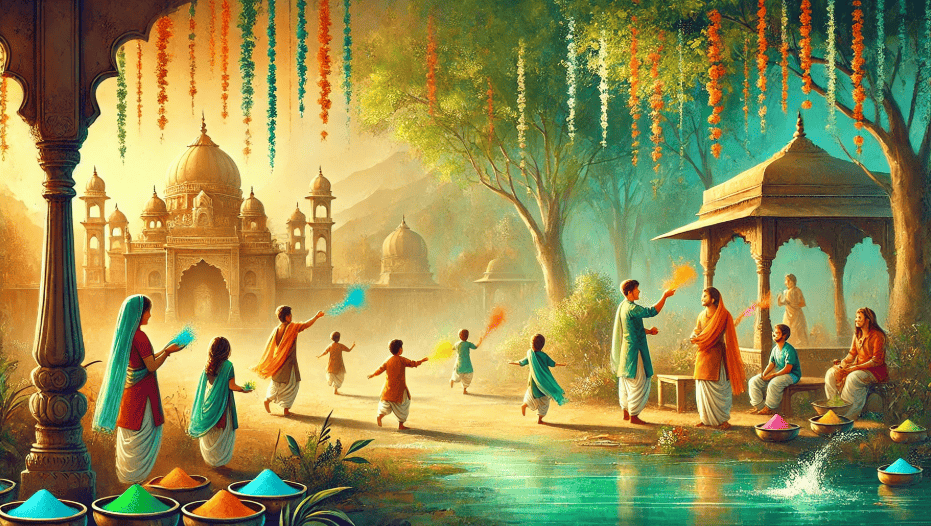
So in place of synthetic colors one can try to use more natural colors in the following ways:
Traditional Natural Colors Used in Holi
Red & Orange: Derived from Palash flowers, hibiscus, and pomegranate.
Yellow: Made from turmeric (haldi) and sandalwood.
Green: Extracted from mehendi leaves and gulmohur tree leaves.
Blue: Indigo plant and jacaranda flowers.
Magenta & Purple: Beetroot extracts.
Brown & Black: Gooseberry (Amla), dried tea leaves, and charcoal.
Modern Eco-Friendly Practices
To protect the environment and promote a sustainable Holi, people are now adopting eco-friendly alternatives such as:
Organic Colors: Many brands now offer herbal and organic colors made from natural ingredients.
Water Conservation: Encouraging a close to dry Holi to minimize water wastage.
Avoiding Plastic Waste: Reducing the use of plastic balloons and synthetic materials during celebrations.
Popular Holi Games and Activities
Apart from playing with colors, several fun Holi games and activities are enjoyed during the festival:
Matki Phod (Breaking the Pot): Inspired by Lord Krishna’s childhood mischief of stealing butter, teams compete to break a hanging pot filled with water or buttermilk.
Color Tag: A fun version of tag where players smear each other with colors instead of tagging.
Tug of War: Played between teams before or after the color celebrations.
Holi Festival Food: A Feast of Flavors
No celebration is complete without indulging in Holi festival food, which includes:
Gujiya: A deep-fried sweet dumpling stuffed with khoya and dry fruits.
Thandai: A traditional cooling drink made with milk, saffron, almonds, and spices.
Malpua: A sweet pancake soaked in sugar syrup.
Puran Poli: A sweet flatbread popular in Maharashtra.
Dahi Vada: Fried lentil dumplings soaked in yogurt and topped with chutneys.
Conclusion
Holi is more than a festival of colors it celebrates love, unity, and the triumph of righteousness. From its mythological roots to eco-friendly practices, traditional Holi festival food, and vibrant Krishna bhajan traditions, Holi embodies joy and spirituality, making it a cherished today festival. Lets try to celebrate this festival as vibrantly as ever before it fades away into "holi festival essay" that we all wrote when we were kids.
Enhance your celebrations with Dharamayana, your go-to app for today's panchang, horoscope insights, panchang details, and shubh muhurat updates. Access pooja guides, Krishna bhajans, and festival essentials in one place. Download Dharamayana now and stay connected to your spiritual roots.

Related Articles