
Griha Pravesh: The Ritual of Entering Your New Home
Blessing a home, one threshold at a time

Aditya Pandey
16 Nov 2026 • 7min
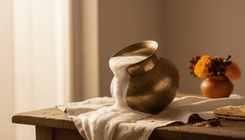
Griha pravesh is a sacred ritual marking the first entry into a new home. This foundational ceremony welcomes positive energy into the space and removes any negativity, setting the tone for the life you will live there. Rather than a single fixed rite, griha pravesh encompasses a range of practices shaped by regional tradition, family custom and the guidance of local priests and elders.



Why Griha Pravesh Matters
In Sanatan Dharma, a home is understood as more than a building. It is a living space with its own energy and spirit, and the way you enter it for the first time carries significance. Griha pravesh acknowledges this by inviting divine blessings and establishing spiritual harmony before you move in your belongings and begin daily life.
The ritual also marks a threshold moment. Whether you are moving to a new home for the first time, after marriage, for a new job, or for any other life change, the ceremony helps you pause and consciously set your intention for this new chapter. Many families feel that beginning well in a space sets the trajectory for all that follows.
Before the Ceremony
Preparation begins several days ahead. First, your home should be thoroughly cleaned and tidied. This is a practical necessity and a spiritual one: cleanliness is understood as auspicious, and a clean space allows positive energy to flow freely. Some families engage a priest a week or two in advance to discuss the timing and preferred practices, as customs vary widely.
Many families consult the panchanga, the Hindu calendar, to choose an auspicious day and time for the ritual. An experienced priest or astrologer can recommend dates that align with your personal horoscope and the broader lunar calendar. However, griha pravesh can also be performed on any day that feels right to your family, particularly if a specific auspicious date is difficult to arrange.
You will also need a few items for the ceremony itself. The most common are milk, water, flowers, incense, and an oil lamp or diya. A small altar or puja space may be set up near the entrance or in a central room. Some families also gather offerings of sweets, fruit, or honey to be placed in the home.
The Core Ritual
The ceremony typically begins at the entrance of the home. A priest or the head of the household performs the initial rites, often beginning by invoking Ganesha, the remover of obstacles, and offering prayers to the deities and to the spirit of the home itself.
One of the most recognisable parts of griha pravesh is the boiling of milk. A vessel of milk is heated until it boils over—this symbolic overflow represents abundance and prosperity spilling into the new home. The milk is traditionally poured onto the threshold or the front entrance, though some families collect it in a bowl to offer to guests later as a blessing.
Water mixed with flowers and sometimes tulsi (holy basil) is sprinkled throughout the rooms, moving from the entrance inward. This cleansing wave is said to purify the space. The diya is lit and carried through the home, its light believed to dispel any darkness or negativity.
Mantras are chanted at various points—often prayers to Lakshmi for prosperity, to Ganesha for protection and removal of obstacles, and sometimes to other deities depending on family tradition or regional custom. The priest may perform arati, a ritual of honour, before the family shrine or a temporary altar.
Regional Variations
Griha pravesh observances differ across India. In North India, the ritual often emphasises the boiling milk and the lighting of the diya throughout the home. In South India, the ceremony may include more elaborate offerings and the involvement of temple priests. In some regions, the family's first meal in the new home—traditionally cooked on the premises—is considered part of the ritual itself.
The deities invoked and the specific prayers offered also vary. Some families focus on Lakshmi, the goddess of prosperity; others include Durga for protection, or regional deities important to their tradition. The length of the ceremony can range from 30 minutes for a simpler family observance to several hours if priests are involved and the ritual is elaborate.
After the Ceremony
Once the core ritual is complete, many families invite relatives, close friends and neighbours into the home to share food and blessings. This marks the beginning of life in the space and establishes it as a place of connection and hospitality.
Some families continue certain practices in the first days or weeks: lighting a diya daily, offering food to visitors, or performing small pujas before the household shrine. These acts are understood as ways of continuing the blessing that griha pravesh has established.
The ritual itself is complete after a single day, but the auspicious beginning it marks is meant to unfold over the years you spend in the home.
Common Mistakes to Avoid
The most common error is rushing the preparation. A hurried or careless setup undermines the spiritual intention of the ceremony. Give yourself time to clean thoroughly and gather what you need without stress.
Some families assume they must follow every variation they have heard of—boiling milk, carrying flowers, invoking specific deities, performing arati—all at once. In reality, griha pravesh works with a simpler core: respectful entry into the space, an offering or blessing, and the conscious intention to welcome positive energy. What matters is sincerity, not elaborate complexity.
Finally, do not postpone the ceremony indefinitely. While choosing an auspicious date is valuable, waiting months to perform griha pravesh after you have already moved in dilutes its effect. If an ideal date is far away, it is better to perform a simpler ceremony soon than to wait.
How to Perform Griha Pravesh
- Clean and prepare the home Thoroughly clean every room, the entrance and the courtyard. Set up a small altar or puja space near the entrance, and gather milk, water, flowers, incense and a diya or oil lamp.
- Light the diya and invoke Ganesha At an auspicious time, light the diya at the entrance. Offer prayers to Ganesha for safe entry and the removal of obstacles, followed by invocations to Lakshmi and any other deities your family honours.
- Boil the milk at the threshold Heat milk in a vessel until it boils over, allowing it to spill symbolically as an offering. This represents abundance and prosperity entering the home.
- Sprinkle blessed water through the rooms Mix water with flowers and tulsi. Beginning at the entrance, sprinkle this mixture throughout each room, moving inward, to purify and cleanse the space.
- Carry the diya through the home Walk slowly through every room with the lit diya, allowing its light to reach all corners and dispel any darkness.
- Offer prayers and close the ritual Chant auspicious mantras or sit in silent prayer in your new home. Conclude by offering sweets, fruit or flowers at the altar, then distribute these offerings to guests as blessings.
Common questions
Can you perform griha pravesh if the date is not auspicious according to the panchanga?
Yes. While an auspicious date is traditionally preferred, griha pravesh can be performed on any day with sincere intention. If an ideal panchanga date is months away and you have already moved in, a simpler ceremony soon is more valuable than waiting for a distant auspicious date.
What is the significance of boiling milk in griha pravesh?
The boiling milk that overflows represents abundance and prosperity overflowing into the new home. This symbolic gesture is one of the most recognisable elements of the ceremony and signifies welcome and fullness.
Do you need a priest to perform griha pravesh, or can a family member lead the ritual?
Either is acceptable. Many families engage a priest for guidance and formal chanting of mantras, while others perform griha pravesh as a family with the head of the household leading the ritual. What matters is that the ceremony is performed with respect and clear intention.

Related Articles


