
Gauri Puja During Ganeshotsav: Welcoming Mother Gauri
A mother's grace arrives with Ganesh

Kushal K
17 Nov 2026 • 7min
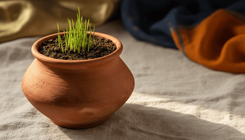
Gauri puja is the ritual welcome of Goddess Gauri, the mother of Ganesha, during Ganeshotsav—the ten-day festival dedicated to Lord Ganesha. While Ganesha is the main deity honoured throughout the festival, Gauri's arrival and worship hold their own sacred place in Maharashtra's observance of Ganeshotsav. The puja recognises Gauri as the gentle, nurturing aspect of Shakti, the divine feminine energy, and invites her grace into homes alongside her son.



The role of Gauri in Ganeshotsav
Gauri is the consort of Shiva and mother of Ganesha. In the mythology of Ganeshotsav, she is honoured not only as a mother but as a supreme power in her own right. Her worship during this festival is sometimes called Jyeshtha Gauri, a name that speaks to her as the first or principal form of the goddess. Unlike Durga, who battles demons, or Kali, who embodies fierce transformation, Gauri represents auspiciousness, beauty and the benevolent protection a mother provides. Her presence in Ganeshotsav acknowledges that Ganesha's own completeness comes from his mother's blessings.
In the household, Gauri is often invited after Ganesha has been installed on the altar. The order matters: Ganesha is called first, then his mother is welcomed. This reflects the traditional belief that a mother's arrival sanctifies a space and ensures the welfare of all who dwell there. During the festival, temples and homes may have separate small spaces for Gauri's worship, or she may be honoured through a focused ritual within the main celebration.
How Gauri puja is performed
The puja typically takes place on a set day within the Ganeshotsav period, often in the early part of the festival, though the exact day can vary by region and family tradition. The ritual begins with the idol or image of Gauri being brought into the worship space. If no idol is available, a clay or stone representation, or even a symbolic form such as a pot filled with soil and sprouted grains, can be used.
The worshipper bathes the idol or symbol, then anoints it with turmeric, oil and other auspicious substances. Flowers—typically red, white or yellow—are offered. Incense and lamps are lit to purify the space. The Gauri is offered water, fruits, modak (a sweetmeat), sesame seeds and other foods that hold symbolic meaning. Sesame seeds are especially significant: they are believed to represent fertility, abundance and the transmission of good karma across generations.
Prayers and mantras honour Gauri's role as protector and sustainer. In many homes, women lead the puja, reflecting the traditional understanding that a woman holds particular authority in matters of maternal blessing and household wellbeing. Some families chant the Gauri Stuti, a hymn of praise, while others offer simple heartfelt words of gratitude. The offering of kumkum (turmeric-vermillion paste) to Gauri is common, particularly applied to her brow or idol as a mark of reverence.
Regional variations in Gauri worship
Gauri puja is strongest in Maharashtra, where Ganeshotsav itself is most elaborately observed, particularly in cities like Pune and Mumbai. However, the practice extends to regions with significant Marathi populations and to areas influenced by the Deccan's devotional traditions. In rural Maharashtra, village temples often have a dedicated space for Gauri and may perform her puja with considerable ceremony.
In some households, Gauri is worshipped through a separate smaller celebration that might include women gathering to sing bhajans, traditional devotional songs. In other families, the puja is intimate—a brief ritual performed by one person in a corner of the home altar. The flexibility allows each family to honour Gauri according to its own resources and spiritual inclination.
Beyond Maharashtra, the worship of Gauri appears in different forms across India. In South India, the festival of Ganesha Chaturthi still involves Gauri, though the emphasis and timing may differ. The north knows her as part of Shiva's household but does not necessarily mark her with a separate festival during Ganeshotsav. Understanding Gauri puja as a distinctly Maharashtrian expression respects the particular wisdom of that tradition without forcing it into a pan-Indian template.
Gauri and the household
One enduring meaning of Gauri puja is the blessing of the household itself. By inviting Gauri into the home during Ganeshotsav, the family acknowledges that wellbeing depends not only on the removal of obstacles—which Ganesha provides—but on the nurturing, protective presence that a mother embodies. Gauri is called upon to bless the home, the family's health, and the relationships within it.
In traditional understanding, Gauri's presence is particularly important for the welfare of women and children in the household. Her puja is often an occasion for women to voice their own hopes for family harmony, the education and character of children, and the prosperity that allows a household to flourish. It is a moment to acknowledge that the foundation of a home rests on maternal energy, whether expressed through a biological mother, grandmother, sister, aunt or any woman who carries that role.
The prasad—the blessed food offering—distributed after Gauri puja carries this intention. The recipient eats not only the sweets but also the mother's prayer that each person in the household will be well. This simple act of sharing the offered food is one of the most direct ways the blessing moves from the altar into the lives of those who receive it.
When to observe Gauri puja
Gauri puja does not have a fixed date because both Ganeshotsav and the lunar calendar on which it depends shift every year. Generally, Gauri is honoured in the first half of the ten-day festival. Some families perform the puja on the day after Ganesha is installed; others choose a specific day according to their tradition or the guidance of a family elder or priest.
If you wish to observe Gauri puja, check the Ganeshotsav dates for your year, consult the panchanga or lunar calendar, or speak with someone in your community who practices the tradition. There is no sin or loss in performing the puja on any day that feels right within the festival window. What matters is the sincerity of the welcome and the care taken in the offering.
Perform Gauri puja at home
- Prepare the worship space Choose a clean, quiet corner of your altar or a separate small space. Spread a cloth and place a small idol, image, pot or symbolic representation of Gauri.
- Bathe and anoint the idol Gently pour water over the idol or symbol, then apply turmeric and oil. Pat dry with a clean cloth, then mark the brow with kumkum if using an idol.
- Make offerings Place flowers, sesame seeds, fruits and modak before Gauri. Light incense and a lamp. Pour a small cup of water and present it as an offering.
- Chant prayers Sing a bhajan, recite a simple prayer of gratitude, or speak directly to the mother about your hopes for the household. There is no fixed wording; sincerity is what matters.
- Receive the blessing Sit quietly for a moment. Then distribute the offerings as prasad to family members, sharing the prayer that each person receives the mother's protection and grace.
Common questions
Is Gauri puja a separate celebration or part of Ganesha worship?
Gauri puja is a distinct ritual that takes place during Ganeshotsav to honour Ganesha's mother. While it is woven into the larger festival, it has its own prayers, offerings and often its own worship space or time. In many households, women lead this puja separately from the main Ganesha worship.
Can I perform Gauri puja if I don't have an idol?
Yes. Many families use a clay pot filled with soil and sprouted grains to represent Gauri, or offer flowers and prayers without an idol at all. What matters is the intention to welcome the mother's blessing into your home with sincerity and care.
What should I offer during Gauri puja?
Common offerings include sesame seeds, flowers, fruits, modak, water, incense and kumkum. You can also offer items that hold meaning in your family tradition. The offerings are blessed and then shared as prasad, the sacred food, among those in your home.

Related Articles


