
Garba and Dandiya: Dance as Devotion in Navratri
Circle and Stick, Sacred and Joyful

Kushal K
10 Nov 2026 • 6min
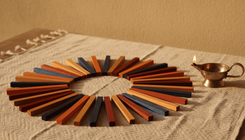
Garba and dandiya are the heart of Navratri celebration across Gujarat and beyond. These are not merely social dances but acts of devotion, rooted in the worship of the Goddess during the nine nights of Navratri. Garba, the older form, is a circular group dance performed around a lamp or idol, while dandiya raas uses pairs of wooden sticks to create rhythm and pattern. Both emerged from the spiritual life of Gujarat's farming communities and have become central to how millions observe the festival today.



The Roots of Garba
Garba means womb or pregnant belly in Gujarati, and the dance's origins lie in ancient agricultural ritual. Farmers would gather around a lamp or lighted earthen pot at the centre of a circle, singing to invoke fertility and celebrate the earth's abundance. Over centuries, this practice wove together elements of devotion to the Goddess, gratitude for the harvest, and community joy.
The circular form itself carries spiritual meaning. The lamp at the centre represents the divine light, and dancers moving around it symbolise the soul's journey through cycles of creation and renewal. The handclaps that punctuate the dance do more than keep rhythm: they are a form of offering, a way of making sound and energy into prayer. Many families still begin their Navratri season by performing garba at home or at a dedicated space in the neighbourhood.
Garba developed differently across Gujarat's regions. In some areas, the dance is slow and stately, with elaborate movements of the hands and feet. In others, it is faster and more playful. This variation reflects how the dance serves different communities while remaining rooted in the same devotional purpose.
The Spirit of Dandiya Raas
Dandiya raas emerged later than garba, drawing from the legend of Krishna playing with the gopis (cowherd women) on the banks of the Yamuna. The sticks—dandiya—represent the flutes through which Krishna called to the gopis, and the clicking of stick against stick mirrors the music of the divine play. While garba is meditative and circular, dandiya is dynamic and social, bringing strangers together in patterns of near-collision and precision timing.
The dance requires partnership and attention. Two dancers hold coloured sticks and exchange them in rapid sequences, stepping and turning in time with folk music or devotional songs. When done well, dandiya creates a web of sound and movement across an entire gathering—dozens of dancers weaving in and out, sticks creating a musical texture beneath their feet. The energy is exuberant but never chaotic; the form demands discipline and respect for your partner.
Dandiya spread beyond Gujarat during the 20th century, reaching diaspora communities and becoming a fixture of Navratri celebrations across India and the world. It arrived already laden with meaning for those who knew garba, but it also attracted dancers new to the festival, drawn simply by the joy and fellowship of the form.
Music and Meaning
Both garba and dandiya are inseparable from their music. The songs are often centuries old, passed down through families and communities. Many are devotional, addressing the Goddess directly or narrating her stories. Others celebrate love, nature or the rhythm of the seasons. The melodies are often in local ragas, folk modes that give the dance its character and depth.
The drummer or band sets the pace, and the dancers respond. This relationship between music and movement is not incidental: it is how the dance transmits meaning. A slow garba might feature songs of longing or reverence, while a faster dandiya uses livelier music to create a sense of abundance and celebration. Regional variations in music styles mean that garba and dandiya sound and feel different in a village in Kutch compared to one near Ahmedabad.
Today, composed music for garba and dandiya is widespread, especially in recordings made for celebrations outside Gujarat. While these can lack the depth of traditional melodies, they have made the dances accessible to people learning the forms for the first time, without the background of family transmission.
Garba and Dandiya in Modern Practice
During Navratri, garba and dandiya gatherings happen everywhere in Gujarat: in homes, temples, community halls, gardens and open ground. Some are small and intimate, while others draw hundreds of dancers. In cities, dedicated garba venues operate for the nine nights, with changing themes and music each evening. The dances have become so central to how urban Gujaratis experience the festival that many make the season's gatherings their first social commitment.
Among diaspora communities, garba and dandiya raas serve a different purpose. They have become the way families teach their children about their heritage and faith. Learning the steps, understanding the stories, wearing the traditional clothes—all of this becomes a bridge to a culture and a spiritual practice that might otherwise feel distant.
The forms have also adapted to modern contexts without losing their essence. Some groups blend traditional music with contemporary arrangements. Others incorporate elements of movement from other dance traditions. These changes sometimes trouble those invested in preserving the older forms exactly, but adaptation is also part of how a living tradition survives and remains meaningful across generations and geographies.
When and Where to Experience Garba
Garba and dandiya are performed throughout the nine nights of Navratri, though the festival dates change each year according to the lunar calendar. In Gujarat, almost every neighbourhood and temple organises gatherings. If you are visiting or new to the practice, begin by observing at a local temple or community centre before joining in. Wear comfortable clothes that allow free movement; many people wear traditional Gujarati dress, but it is not required.
If you wish to learn the steps beforehand, many community centres and dance teachers offer classes in the weeks before Navratri. The basic movements are not difficult to grasp, and the dances are forgiving of imperfection—the joy comes from participation, not perfection. Go with the spirit of devotion and celebration that has animated these dances for centuries, and the meaning will unfold as you move.
Common questions
What is the difference between garba and dandiya raas?
Garba is a circular group dance performed around a central lamp, rooted in ancient agricultural ritual and devotion to the Goddess. Dandiya raas uses pairs of wooden sticks tapped together in rapid sequences and emerged later, drawing from the Krishna and gopis legend. Both are devotional, but garba is slower and meditative while dandiya is faster and more dynamic.
When during Navratri do people dance garba and dandiya?
Garba and dandiya are performed throughout the nine nights of Navratri, from the first to the ninth day. The festival dates shift each year according to the lunar calendar, typically falling between September and November.
Can anyone join garba and dandiya, or is it only for people from Gujarat?
Anyone can join. While the dances originated in Gujarat and are central to Gujarati Navratri celebration, they are now performed by communities worldwide during the festival. The basic steps are not difficult to learn, and many neighbourhoods and temples welcome newcomers to gather and dance together.

Related Articles


