Ganadhipa Sankashti 2026: Why This Ganesha Vrat Connects to Hanuman
When Ganesh and Hanuman Meet in Fasting

Sunil Chaurasia
26 Oct 2026 • 6min
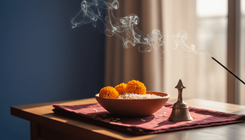
Ganadhipa Sankashti is a new moon fast dedicated to Ganesha that falls once a year during the month of Shravana. What makes it distinct among Ganesha vratas is its connection to Hanuman: on this particular day, devotees worship both the elephant-headed remover of obstacles and the devoted monkey deity. The link runs deep into Sanskrit mythology, grounding this observance in a story of friendship, devotion and divine recognition.



The Meaning of Ganadhipa Sankashti
Ganadhipa Sankashti joins two Sanskrit words. Ganadhipa means "lord of the ganas"—the divine attendants who serve Shiva, over whom Ganesha presides. Sankashti refers to the dark lunar day, the new moon, when the moon passes between the earth and sun. The vrat itself is observed on this moonless night and, in practice, typically kept from dawn on that day until seeing the first crescent of the waxing moon the following evening. It is one of the 21 Ganesha vratas recognised in the Hindu calendar, each named to honour a particular aspect of Ganesha or the circumstances of his worship.
On Ganadhipa Sankashti, the focus shifts beyond Ganesha alone. Devotees fast and meditate, as they do on other Sankashti days, but this particular observance also honours Hanuman as an embodiment of the same qualities Ganesha represents: courage, loyalty, strength and devotion to duty. The combination reflects a recognition of divine power taking many forms—both the cosmic force that removes obstacles and the heroic force of perfect service.
Why Hanuman and Ganesha Are Connected on This Day
The connection stems from a Sanskrit account in which Hanuman seeks out Ganesha's blessings before his own great deeds. According to the text, Hanuman—preparing for his mission across the ocean and his rescue of Sita—first paid homage to Ganesha, recognising that all ventures succeed only when obstacles are removed and divine favour is granted. Ganesha, recognising Hanuman's sincerity, granted him a boon: the promise that wherever Hanuman's name was chanted with devotion, Ganesha would always be present.
This exchange established a spiritual kinship. Both deities embody the principle that true power lies in overcoming impediments—whether external barriers in the world or internal blocks to spiritual growth. Ganesha, the cosmic remover of obstacles, works through wisdom and intellect; Hanuman demonstrates this removal through unflinching action and loyalty. On Ganadhipa Sankashti, worshipping them together acknowledges that obstacles fall away through both clarity of purpose and steadfast devotion.
The link also reflects an older principle in Sanatan Dharma: that different deities are not separate beings competing for worship, but facets of a single divine reality, each expressing different energies needed at different times. Hanuman's devotion to Rama mirrors and complements the devotion practitioners bring to Ganesha on the new moon.
How Ganadhipa Sankashti Is Observed
The observance follows the established pattern of a Sankashti vrat. A devotee wakes early, bathes and dresses in fresh clothes, then keeps a fast for the full day. The fast is typically a full abstention from food and water, though some practitioners may consume fruit, milk or light foods depending on their strength and family tradition. The purpose is not hardship but purification—creating space in body and mind for spiritual focus.
Through the day, devotees meditate on Ganesha, chant his mantras, and visit a temple if they are able. The most common mantra recited is the Ganesha Beej Mantra, "Om Gam Ganapataye Namaha," repeated in japa (counted prayer) or simply repeated with intention throughout the day. Some practitioners also recite the Hanuman Chalisa or chant "Om Hanumate Namaha" to honour the second aspect of the vrat.
In the evening, after the crescent moon is sighted—or if clouds obscure it, at the end of the new moon day—the fast is broken with simple, pure food. Many households prepare kheer (rice pudding), laddus or other simple offerings, which are first offered to Ganesha, then consumed by the family. This act of taking prasad (blessed food) completes the vrat.
Observing Ganadhipa Sankashti once a year is considered especially powerful. Some practitioners repeat it annually on the date it falls; others adopt it as a lifelong commitment. The vrat is suitable for anyone seeking to clear obstacles from their path or to deepen their relationship with Ganesha and, by extension, with Hanuman's qualities of focus and perseverance.
Regional Variations and Family Practice
The core framework of the vrat is consistent across India, but the particulars shift with region and family custom. In some households, devotees perform an abhisheka (ritual bathing) of a Ganesha idol or image with milk, honey and water before fasting. In others, the fast is observed in silence with minimal activity. Some families maintain a practice of reading aloud the Ganesha Purana or sections of the Shiva Purana that recount Ganesha's stories.
In parts of South India, the vrat may be observed with particular attention paid to the preparation of specific prasads associated with Ganesha, such as modaks (sweet dumplings). In the North, households often emphasise the chanting of mantras and the ringing of bells at home shrines throughout the day.
The thread running through all these variations is intent: whether through silence or sound, abstinence or simple food, the observer marks the day as distinct and sacred. What matters is consistency, sincerity and the discipline of turning the mind toward these deities whose qualities one hopes to cultivate.
Common questions
When is Ganadhipa Sankashti in 2026?
Ganadhipa Sankashti falls on the new moon in the month of Shravana each year, which typically corresponds to July or August in the Western calendar. Check a current Hindu panchanga (calendar) for the exact date in 2026, as the lunar date shifts yearly.
What should I eat to break a Ganadhipa Sankashti fast?
Break the fast with simple, sattvic (pure) foods such as kheer, laddus made with rice flour, fruit, milk or yoghurt. Avoid onion, garlic, salt and spices; these are traditionally reserved for regular meals. Offer a portion to Ganesha first, then eat.
Can I observe Ganadhipa Sankashti if I have health conditions?
If a full fast is not possible due to illness, medication or other needs, you can observe the day with a partial fast—consuming only fruit or milk—or with sincere worship and japa instead. The spirit of the vrat lies in devotion and focus, not in hardship.

Related Articles