
Devutthana Ekadashi: When Vishnu Awakens and Life Resumes
Divine awakening marks the season of weddings and beginnings

Kushal K
22 Nov 2026 • 6min
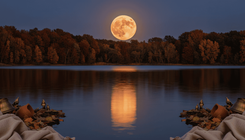
Devutthana Ekadashi is the day when Vishnu, the preserver deity, awakens from his four-month yogic sleep. This awakening marks the end of a sacred pause in the Hindu calendar and signals that auspicious activities—weddings, new beginnings, travel and important ceremonies—can resume. Known also as Prabodhini Ekadashi in some regions, this observance falls in the month of Kartik, usually between mid-October and mid-November, on the eleventh day after the new moon.



What the Fast Marks
Devutthana Ekadashi commemorates Vishnu's awakening from a meditative state. According to tradition, during the monsoon months (Chaturmas), Vishnu rests in spiritual yoga, and the world follows a corresponding pause. Auspicious activities are held in abeyance during this period—no weddings are solemnised, no groundbreaking ceremonies are performed. When Devutthana Ekadashi arrives, this period of restraint ends. The fast observers keep, called Devutthana vrat, honours this transition and seeks Vishnu's blessing as normal life resumes.
The term "devutthana" comes from "deva" (deity) and "utthana" (to awaken or rise). This is not understood as Vishnu literally sleeping, but rather as a yogic state—a symbolic pause in divine activity that creates a rhythm in spiritual life, much as creation and withdrawal cycle through the cosmos.
The Fast and Its Practice
Those observing the Devutthana Ekadashi fast abstain from grains and beans, as with most Ekadashi fasts. Many devotees eat only fruit, milk products and vegetables during the day, or fast completely and break the fast the next morning. The fast is kept for the full day, from sunrise to sunrise the following day.
The practice is not universally observed with identical rules across all regions. In some communities, the fast is strictly kept; in others, a lighter diet of fruits and milk is the norm. Devotees often perform puja to Vishnu, recite prayers or passages about his awakening, and chant his names or mantras. Many people spend time in meditation or read from the Bhagavata Purana, which contains the story of Vishnu's rest.
Breaking the fast after Devutthana Ekadashi is sometimes marked with a special meal involving milk, fruit or sweets. Prasad is distributed among family, and in many homes, the first auspicious activity following the Ekadashi—perhaps a wedding proposal, the fixing of a marriage date, or the planning of important travel—is announced or formalised.
The Calendar Significance
Devutthana Ekadashi marks a crucial turning point in the Hindu calendar. During Chaturmas, the period that includes the full monsoon months of Shravan, Bhadra, Ashwin and the beginning of Kartik, many important life events are postponed. The reasoning is practical as well as spiritual: monsoon flooding made travel difficult historically, and the agricultural cycle required focus on tending crops. Over time, this practical pause became embedded in the spiritual calendar.
When Devutthana Ekadashi arrives, the season of weddings begins in earnest. Throughout north India and many other regions, the autumn months after this Ekadashi are considered ideal for marriages, naming ceremonies, and housewarming rituals. Astrologers and priests consult the panchang (traditional calendar) to identify auspicious dates in the weeks and months following this day.
The fast is part of this boundary-marking. By keeping the vrat, devotees acknowledge the transition consciously and spiritually. It is both a farewell to the inward-turning of Chaturmas and a greeting to the season of action and celebration.
Regional Variations
While Devutthana Ekadashi is observed across the Hindu calendar in most regions, the degree of rigidity around the Chaturmas pause varies. In parts of north India and among Vaishnavite communities, the observance of both the fast and the calendar pause is stricter. Marriages and major ceremonies are carefully scheduled to begin only after this Ekadashi.
In southern India and in some other communities, the rules are more flexible. Some observe the fast without restricting life events; others follow a modified version of the Chaturmas pause. Different sampradayas (spiritual lineages) and regional traditions interpret the significance with varying emphasis, though the underlying principle of awakening remains constant.
In Maharashtra, Devutthana Ekadashi is also called Prabodhini Ekadashi and is connected with the festival of Diwali, which falls a few weeks later. In Gujarat and other regions, local customs and family practices may define how strictly the season's activities are restricted or resumed.
Preparation and Devotion
Many devotees prepare for Devutthana Ekadashi by reflecting on the Chaturmas period and the spiritual practices they have maintained during this time. Some increase their meditation or chanting during the days leading up to the Ekadashi. Others make special efforts to complete any spiritual goals or practices they set for the monsoon season.
On the day itself, temples often hold special pujas to Vishnu. Devotees visit temples early in the morning, offer flowers, incense and food to the deity, and participate in the community worship. The atmosphere is one of gratitude for the spiritual pause and anticipation for the season ahead. Many homes perform small rituals, and families gather to keep the fast together.
The breaking of the fast after Devutthana Ekadashi is sometimes marked with preparation of special foods—milk-based sweets, fruits, or simple vegetarian meals. This signals a shift back to the regular rhythm of life, though the spiritual benefits of the Chaturmas period are believed to remain with the devotee.
Living the Transition
Devutthana Ekadashi is not observed by every Hindu, and the degree of engagement varies widely. Even among those who do not keep the full fast or restrict their activities strictly, the day marks a recognizable shift in the calendar. It is a moment to acknowledge the rhythm of spiritual practice—seasons of rest and seasons of action, periods of inward focus and periods of engagement with the world.
For those who keep the Ekadashi, the practice offers a structured way to participate in this transition. The fast is a conscious choice, a statement that this day and this moment matter. Whether the fast is strict or gentle, the intention is the same: to honour the awakening of Vishnu and to step consciously into the season of beginnings.
Common questions
Is Devutthana Ekadashi on the same date every year?
No. Devutthana Ekadashi falls on the eleventh day after the new moon in Kartik, which shifts between mid-October and mid-November depending on the lunar calendar. The exact date changes each year.
Can I marry or conduct important ceremonies before Devutthana Ekadashi?
Traditionally, major auspicious activities like weddings are not performed during Chaturmas, which ends on Devutthana Ekadashi. However, this rule is more strictly observed in some communities and regions than others, so it is best to consult your family's tradition or a local priest.
What should I eat when breaking the Devutthana Ekadashi fast?
Break the fast the morning after the Ekadashi with light foods: milk, fruit, simple vegetarian dishes, or milk-based sweets. Avoid heavy grains and beans on the day you break the fast, and return to your normal diet gradually.

Related Articles


