
Deepavali: the meaning and origin behind Diwali's other name
Light, language, and the story of a name

Kushal K
03 Nov 2026 • 6min
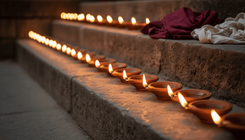
Deepavali and Diwali are two names for the same festival, and they mean the same thing: "row of lights". Both words come from Sanskrit. Deepavali is the older, fuller form of the name, while Diwali is how it sounds when spoken more quickly in modern Hindi and many Indian languages. If you search for either name, you will find the same five-day festival of light, celebrated across India, Nepal, and by Hindu communities worldwide, usually in the autumn months of October or November.
Understanding why a festival has two names shows you how Sanskrit roots travel through Indian languages, and why you might see the same celebration called different things in different regions and contexts.



The Sanskrit roots: deep and avali
The word Deepavali breaks into two Sanskrit parts. Deep means lamp or light. Avali means row or line. So Deepavali literally means "a row of lamps" or "a line of lights". This is not metaphorical. The festival involves lighting oil lamps called diyas in homes and temples, arranging them in rows or groups, and keeping them burning through the night. The name describes what people actually do.
Diwali is simply the way Deepavali sounds when it moves through everyday speech. Hindi, Marathi, Gujarati and many other Indian languages evolved from Sanskrit, and as they did, they shortened and reshaped words to fit their own sound patterns. Deepavali became Diwali in the same way that Sanskrit Chandrama became Chandra, or Prithvi became Prithak. Both names are correct; they are just the same word at different stages of its journey through language.
Why both names exist in modern use
You will see Deepavali used more often in South India, particularly in Tamil Nadu, Karnataka and Andhra Pradesh, where the Sanskrit form has stayed closer to its original shape in regional languages. In these states, Deepavali is the everyday word, just as familiar as Diwali is in the north. Newspapers, temples and local government announcements use Deepavali as the standard name.
In North India, Diwali has become the more common form in Hindi and Punjabi, though Deepavali still appears in formal or religious contexts. The national government and most English-language media use Diwali, which is why you probably encounter it more often. Neither name is more correct than the other; they reflect how language naturally changes as it spreads across different regions and communities.
Some people use both names together—Diwali-Deepavali—to acknowledge the full tradition, or to be clear they are talking about the festival rather than any other use of the word. This is common in formal invitations, religious announcements, and government proclamations.
The festival's deeper meaning
While the name simply means "row of lights", the lights themselves carry symbolic weight in Hindu, Sikh, Jain and Buddhist traditions. The diyas represent the victory of light over darkness, knowledge over ignorance, and good over evil. In the Ramayana, one of Hinduism's foundational texts, the festival is said to mark the return of Rama to his kingdom in Ayodhya after years of exile. The lighting of lamps is an act of welcome and celebration.
For Sikhs, the festival marks the release of Guru Hargobind from imprisonment. For Jains, it commemorates Lord Mahavira's attainment of enlightenment. For Buddhists in some regions, it honors the Buddha's teachings. The outer practice—lighting lamps—remains the same across these traditions, but the inner meaning shifts slightly depending on who is celebrating and which story shapes their observance.
This is why Deepavali, despite its simple literal meaning, has become one of India's most significant festivals: the name describes a universal action, and that action can be filled with many different kinds of meaning.
Regional names and variations
Some regions use names that emphasize different aspects of the celebration. In parts of South India, the festival is also called Lakshmi Puja, naming the goddess of wealth and prosperity whose worship is central to the celebration. In Bengal, a similar festival is called Kali Puja. In Sri Lanka, the equivalent celebration is known as Deepavali as well, with the same Sanskrit roots. These are not separate festivals but local variations and emphases within a shared tradition.
The diversity of names reflects the diversity of observances. While the lighting of lamps is common to all, the foods eaten, the gods worshipped, the stories told, and the ways families gather differ significantly from Tamil Nadu to Punjab to Maharashtra. The name Deepavali, or Diwali, names the shared ritual of light; the names of local deities and practices name what that light means to each community.
Using the names today
If you are writing about the festival or speaking to people from different parts of India, either name is correct. Deepavali is becoming more common again as people reconnect with Sanskrit and as South Indian culture gains wider visibility. Some organizations, particularly those rooted in Hindu philosophy and practice, prefer Deepavali as the more formal and complete name. Others use Diwali as the simpler, more widely recognized term.
What matters more than the name is understanding what it points to: a five-day festival of lights, shared across many traditions and regions, with roots in Sanskrit and practice that go back centuries. Whether you call it Deepavali or Diwali, you are naming the same celebration of light, community, and renewal.
Common questions
Is Deepavali celebrated on the same day as Diwali?
Yes, they are the same festival celebrated on the same dates. Both Deepavali and Diwali are observed for five days during the Hindu month of Kartik, which falls in October or November. The dates shift each year because they follow the lunar calendar, not the Western calendar.
Which name is more commonly used across India?
Diwali is more widely recognized nationally and internationally, particularly in North India and in English-language media. Deepavali is the standard name in South India, especially in Tamil Nadu, Karnataka and Andhra Pradesh, where the Sanskrit form has remained closer to everyday speech. Both names are equally valid and used interchangeably in formal and religious contexts.
What do deep and avali mean separately?
Deep is the Sanskrit word for lamp or light, and avali means row or line. Together, Deepavali literally means 'a row of lamps' or 'a line of lights', which describes the central practice of lighting oil lamps called diyas and arranging them throughout homes and temples during the festival.

Related Articles


