
Dadhichi Rishi: Why He Gave His Bones to the Devas
When a sage chose sacrifice for a greater good

Kushal K
29 Oct 2026 • 6min
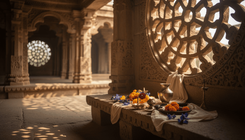
Dadhichi Rishi was a great sage of ancient times whose name is remembered in Hindu scripture for one extraordinary act: he gave his own bones to the devas, the gods, so they could craft the vajra, the thunderbolt weapon, and defeat the asura Vritra. This story is not about heroic battle, but about sacrifice—a willingness to surrender the body itself for dharma, or righteous duty. It appears in several texts, including the Mahabharata and the Vishnu Purana, and it continues to teach what it means to live by principle rather than self-interest.



The Crisis That Demanded Sacrifice
The devas faced a grave threat. The asura Vritra, a demon of immense power, had begun to dominate the three worlds. Vritra was no ordinary enemy: he had received boons that made him nearly invincible. The devas approached Indra, the king of the gods, but they lacked the weapon they needed to defeat him. Indra consulted with other devas and divine beings, searching for a way to craft something powerful enough to overcome Vritra.
The answer lay in creating the vajra, a weapon of supreme potency. But this weapon could not be made from ordinary materials. It required bones of exceptional purity—bones belonging to someone of perfect virtue and spiritual attainment. The devas learned that only the bones of a great rishi with complete mastery over his mind and senses could hold such power.
When Indra and the other devas heard of Dadhichi's extraordinary spiritual stature, they went to him and explained their need. They asked if he would offer his own bones so that the weapon could be forged and the balance between the divine and demonic realms could be restored. This was not a small request. They were asking him to give his life itself.
Dadhichi's Choice and Its Meaning
Dadhichi did not hesitate. He understood that his individual body and life were far less important than the restoration of order in the cosmos. This is the essence of the choice he made: he saw that his duty to dharma extended beyond his own existence. By offering his bones, he would ensure that the devas could defend the worlds against chaos and destruction.
Dadhichi prepared himself through meditation and pranayama, controlling his breath and directing his consciousness. He then left his body deliberately, in full awareness and command of the process. His body was left behind, but his bones remained intact—preserved with the purity they had held in life.
The devas took these sacred bones to Tvashta, the divine craftsman, and Tvashta forged them into the vajra. Indra wielded this weapon against Vritra in the great battle that followed, and with it he defeated the asura. The worlds were restored to order. Vritra's defeat is celebrated in Vedic texts, and the story reminds us that it was Dadhichi's sacrifice that made victory possible.
What Dadhichi's Sacrifice Teaches
The story of Dadhichi reveals something fundamental about the Hindu understanding of sacrifice and duty. In Sanatan Dharma, sacrifice is not grim or forced. Dadhichi was not coerced or threatened into his choice. He made it freely, seeing clearly that the welfare of the cosmos mattered more than his own comfort or even his own life. This kind of sacrifice is sometimes called tapasya, or austerity undertaken for a spiritual purpose.
His choice also illustrates a principle found throughout the scriptures: that the individual is not separate from the larger whole. Dadhichi's body was precious, but not so precious that it should not be offered when the need was great. This does not mean he despised his body or treated life carelessly. It means he understood hierarchy: that dharma, righteousness, came first.
The story also shows respect for the body and its power. Dadhichi's bones were not treated as waste or as something ordinary. They were recognized as pure and powerful because they belonged to someone who had lived with complete integrity. This teaches that how we live—the choices we make daily, the disciplines we keep, the honesty we maintain—shapes what we become, and what we have to offer.
How the Story Spread and Endures
Different texts tell Dadhichi's story with some variations in detail. The Mahabharata mentions Dadhichi among the great rishis of ancient times. The Puranas give fuller accounts of his sacrifice and the forging of the vajra. In some versions, the process is described in more detail; in others, the emphasis falls more on Dadhichi's virtue and readiness. What remains constant across all tellings is the core: a sage of exceptional merit made the ultimate offering so that dharma could triumph.
The story has also been told in regional traditions and through oral teaching. Different sampradayas, or schools of practice, sometimes emphasize different lessons from Dadhichi's life—some focusing on his mastery of pranayama and meditation, others on his exemplary dharma. What matters is that the story has remained alive in memory and teaching for thousands of years, passed down because each generation finds it meaningful.
Carrying Dadhichi's Lesson Forward
Dadhichi Rishi's story invites reflection. We are not devas in need of a weapon, and we are unlikely to face a literal choice about giving our bones. But we do face choices about what we value and what we are willing to give up for the sake of something larger than ourselves. The story asks: what would you sacrifice for dharma? When does the good of the whole ask something of you?
The story also reminds us that sacrifice need not be desperate or resentful. Dadhichi moved toward his choice with clarity and even peace. He had lived well, kept his disciplines, mastered his mind. When the moment came, he was ready. That readiness—built through daily practice, through meditation, through honest living—is what the story seems to teach us to cultivate.
Common questions
What is the vajra and why did the devas need it?
The vajra is the thunderbolt weapon of the devas, particularly associated with Indra. The devas needed it to defeat Vritra, an asura who had become a threat to the balance of the three worlds. Only a weapon forged from the bones of a perfectly virtuous rishi could be powerful enough to overcome Vritra.
How did Dadhichi give up his body if he was still alive as a spiritual being?
Dadhichi deliberately left his physical body through meditation and pranayama, maintaining full awareness and control of the process. His bones remained intact and pure because he had lived with complete integrity. In Hindu philosophy, the atman, or soul, is eternal and separate from the body; his spiritual essence continued even as his physical form was offered for a greater purpose.
Is this story found in only one text or in many?
Dadhichi's story appears in multiple texts, most notably the Mahabharata and the Vishnu Purana, with some variations in detail across different sources. Different sampradayas and regional traditions also tell the story with their own emphasis, but the core—a sage offering his bones so the devas could defeat Vritra—remains consistent across all versions.

Related Articles


