
Creating a Meditation Space at Home in the Traditional Way
Ground Your Practice, Centre Your Mind

Aditya Pandey
13 Nov 2026 • 8min
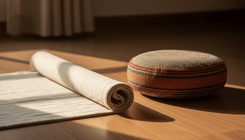
When you sit down to meditate, the space around you matters. A dedicated meditation space at home—even a small corner—helps your mind settle faster and trains your body to recognise that this is where you practise. In the traditional understanding, the place where you sit is not separate from the practice itself. By setting up your meditation space thoughtfully, you create conditions that support both your discipline and your inner quietness.



Choose Your Location Carefully
The first step is finding the right spot in your home. Look for a place that is as quiet and undisturbed as possible, away from heavy foot traffic and the sounds of the household. A corner of a bedroom, a space under a window, or even a small alcove works well. North-facing or east-facing directions are traditionally considered auspicious for meditation practice, as these are said to carry qualities that support mental clarity and spiritual growth.
Natural light is useful if you meditate in the morning or afternoon. If you sit in the evening, choose a spot where you can control the light—not somewhere too bright or too dim. The space should feel neither cramped nor empty. You want enough room to sit comfortably without feeling exposed to the whole household, and yet not so isolated that you feel trapped. Ventilation matters too: fresh air helps keep your mind alert during practice.
If your home is very small, any dedicated corner will do. What makes a space work is that it belongs to meditation alone, or at least that you return to it regularly for that purpose. Over time, your nervous system recognises the place and settles into stillness more readily when you arrive there.
Prepare the Ground and Seat
Traditionally, you sit on the earth or on a natural material that connects you to it. A yoga mat, meditation cushion (called an asana), or a folded blanket serves this purpose. Natural fibres—cotton, wool, or jute—are preferred to synthetic materials. The thickness matters: you want enough cushioning that your knees and hips are comfortable, but not so much that you sink into softness and lose awareness of your posture.
The height of your seat affects how you sit. If you sit on a low cushion, your hips will be higher than your knees, which helps keep your spine naturally upright. If you sit on a chair, keep your feet flat on the floor and your back away from the chair back, so you remain alert. Some people sit cross-legged, some in hero pose (virasana), and some simply kneel. The posture matters less than that you can hold it steadily for the duration of your practice without pain or distraction.
Before you sit, sweep or clean the space. This is not only about cleanliness; it is a way of preparing yourself mentally. The small action of tidying the corner tells your mind that you are about to do something deliberate. Many people find that this simple gesture eases the transition from the busyness of the day into stillness.
Keep the Space Simple
The traditional meditation space is not decorated or cluttered. It contains only what supports your practice. A low table or shelf for a candle, a small bell, a prayer beads (mala), or a sacred text is useful. Some people place a photograph or murti of a deity or teacher they follow, but this is a personal choice and not necessary for the space to work.
Avoid placing your meditation corner near electronics—televisions, computers, or speakers—if you can. These create subtle vibrations and distractions that pull your attention outward. If you must sit near a window, a light curtain can help filter harsh sunlight without blocking the view entirely.
The space should feel peaceful to you when you enter it. This does not mean it has to be beautiful or expensive. A bare corner with a mat and a cushion is enough. Over time, as you sit there regularly, the space itself becomes infused with the quality of your practice. It grows quieter in response to your quietness.
Set a Regular Time
Where you sit is only half the story. When you sit is equally important. Choose a time of day when you can return to your meditation space regularly—ideally the same time each day. Early morning, before the household wakes, is traditionally considered best for meditation. The mind is naturally clearer then, and fewer interruptions are likely.
If morning does not suit your life, any time you can commit to consistently is good. Your body and mind learn through repetition. By meditating in the same place at the same time each day, you create a rhythm that makes the practice easier. Your nervous system begins to recognise the pattern, and your mind settles more quickly when you arrive.
Caring for Your Space Over Time
Once you have set up your meditation corner, treat it with respect. Keep it clean and uncluttered. If you live with others, let them know that this is your practice space and that interruptions during your sitting time are best avoided. If family members use the space for other purposes when you are not there, do not worry—what matters is your intention and your consistency when you sit.
Some people light a small candle or oil lamp before they sit, as a way of marking the beginning of their practice. Others ring a bell or chant a simple mantra. These small rituals are not required, but they do help separate your meditation from ordinary time. They tell both your mind and your household that something different is about to happen.
Over weeks and months of sitting in the same space, you may notice that you settle into stillness more easily. The space becomes a refuge, not because it is grand or special, but because you have invested your regular attention there. This is how the traditional approach works: not through elaborate preparation, but through simple, consistent practice in a place you have chosen and tended.
Integration into Household Life
If you share your home with family, your meditation practice need not be separate from the household rhythm. Some families find that having a designated meditation space actually helps them all. Children may become curious and ask about your practice. Partners may sit nearby with their own practice. The corner becomes something the household respects, not something isolated from it.
Keep your expectations simple. You do not need perfect silence or ideal conditions. Many meditators practise in homes with children, pets, and street noise. What matters is your intention to return to the space, and your willingness to sit even when conditions are not perfect. The practice strengthens precisely because you keep showing up, regardless of circumstances.
Setting up your meditation space
- Choose a quiet location Find a corner away from heavy traffic and electronics, ideally facing north or east. Check that it has fresh air and natural light if possible, and that it feels neither cramped nor too exposed.
- Prepare your seat Place a yoga mat, meditation cushion, or folded blanket on the ground. Use natural fibres and ensure the height is comfortable—if sitting cross-legged, your hips should be higher than your knees to keep your spine upright.
- Clean the space Sweep or tidy your corner before you sit. This small action marks the transition from everyday activity to deliberate practice and helps settle your mind.
- Keep it simple Remove clutter and avoid placing electronics nearby. You may add a small table for a candle or prayer beads, but leave the space otherwise bare and peaceful.
- Choose a regular time Decide when you will sit each day—ideally the same time daily, preferably early morning. Your mind and body learn through repetition, and regularity makes the practice easier.
- Sit consistently Return to your space at your chosen time each day, even when conditions are not perfect. Over time, your nervous system will recognise the place and you will settle into stillness more readily.
Common questions
Can I use a regular chair instead of sitting on the floor?
Yes. If you sit on a chair, keep your feet flat on the floor and your back away from the chair back so you remain alert and upright. The posture matters less than that you can hold it steadily without pain or distraction.
What if I share my home and cannot find a quiet corner?
Even a small, dedicated corner works if you return to it regularly for practice. What makes a space work is consistent use for meditation alone, not size or perfect quiet. Your intention and regularity matter more than ideal conditions.
Should I decorate my meditation corner?
No. Keep the space simple—only what supports your practice. Natural materials like cotton, wool, or jute for your mat or cushion are preferred, and you may add a small candle or prayer beads if you wish, but decoration is not necessary.

Related Articles


