
Copper Vessel Water in Ayurveda: How to Use Tamra Jal
Sip from tradition, heal from within

Sunil Chaurasia
15 Nov 2026 • 7min
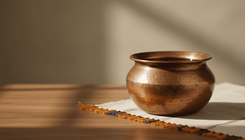
Ayurveda recommends drinking water stored overnight in a copper vessel—called tamra jal—as a foundational daily practice for health and vitality. Copper is believed to balance all three doshas (vata, pitta and kapha), the energetic forces that govern physical and mental function. This article explains why Ayurveda values copper vessel water, how to use it correctly, and what the science and tradition tell us about its role in your day.



Why Copper in Ayurveda
Copper holds a special place in Ayurvedic medicine as a metal that conducts and balances energy. Classical Ayurvedic texts recognize copper as having properties that settle excess heat and support immunity. When water rests in a copper vessel, Ayurveda teaches that the metal infuses the water with subtle qualities that calm pitta (the fire dosha) and fortify the system against infection and inflammation.
Copper is also one of the seven metals traditionally used in Ayurvedic pharmacy, valued alongside iron, silver and gold for its therapeutic role. The practice of storing water in copper is not unique to Ayurveda—many traditional medicine systems recognize copper as beneficial—but Ayurveda folds it into a specific daily routine that complements other practices like oil massage and herbal remedies.
How to Prepare Tamra Jal
The method is straightforward but requires attention to detail. Fill a clean copper vessel with filtered or boiled water in the evening and allow it to sit overnight, or for at least six to eight hours. Drink the water first thing in the morning, before food, while it is still cool or at room temperature. Some practitioners warm it gently, but not to the point of boiling, as this is thought to diminish copper's energetic qualities.
The copper vessel should be food-grade and free from lacquer or paint, which can leach toxins into the water. A simple, unlined copper cup or jug works well. Clean the vessel regularly with a soft cloth or gentle brush; patina (the greenish layer that forms on copper) is normal and does not harm the water. If the interior develops a thick coating, wash it with a mild acid like lemon juice diluted in water, then rinse thoroughly.
Store the vessel in a cool place away from direct sunlight. Some traditions suggest using the same vessel consistently, as the copper becomes attuned to your system over time. Drink the tamra jal slowly and mindfully, allowing it to coat your mouth and throat as it goes down. A small cup, about 200 to 250 millilitres, is a typical morning dose.
Water Quality and Temperature
The starting water matters. Use filtered water or water that has been boiled and cooled, not tap water that may carry chlorine or other chemicals. In regions where tap water is heavily treated, filtration is especially important, as the goal is to allow copper's qualities to infuse a clean medium.
Temperature plays a role in Ayurvedic practice. Cool or room-temperature water suits most people, particularly those with high pitta. Those with excess vata or kapha may benefit from gently warming their tamra jal, as Ayurveda teaches that warm water kindles digestive fire and improves absorption. However, boiling water in copper or heating copper vessels to high temperatures is not recommended, as it may alter the metal's energetic properties.
Drink tamra jal on an empty stomach for maximum benefit. Allow at least thirty minutes before eating breakfast, so the water can be absorbed and begin its work without competing with food. This practice is most powerful when integrated into a consistent daily routine, ideally at the same time each morning.
When to Drink and When to Pause
Tamra jal is a year-round practice in most Ayurvedic households, but some teachers suggest adjusting the approach by season. During the heat of summer, when pitta is naturally elevated, morning copper water is especially valuable. In winter, when vata and kapha dominate, some practitioners warm their tamra jal slightly or reduce the frequency to three or four times a week, maintaining the practice without overstimulating the system.
Pregnant women, nursing mothers and people with copper sensitivity should consult an Ayurvedic practitioner before adopting the practice. Those with active infections or acute pitta imbalances should seek guidance, as copper's heating properties may not be appropriate for every condition. If you are taking copper supplements or mineral-based medications, avoid tamra jal, as the combined effect could be too strong.
Listen to your body. Some people feel a lightness or warmth in the belly after drinking tamra jal; others notice clearer skin or sharper digestion within weeks. If you experience nausea or discomfort, stop the practice and consult a qualified Ayurvedic practitioner. The practice works best when it feels nourishing, not forced.
Integration with Other Practices
Tamra jal works most powerfully as part of a broader daily routine. Combine it with warm oil massage (abhyanga), morning movement, herbal teas and a diet suited to your dosha. Ayurveda teaches that water is one channel through which healing flows; copper is one way to optimize that channel, but it is not a substitute for a balanced diet, adequate sleep or regular practice.
Many people find that copper water amplifies the benefits of other habits. When paired with consistent meditation, yoga or pranayama (breathwork), the settling and clarifying effects seem to deepen. The morning ritual of preparing and drinking tamra jal can become a moment of intention-setting, a quiet act that signals to your body and mind that you are tending to your health.
Store copper vessels where you will see them each morning, so the practice does not slip out of routine. Some people keep one vessel at home and one at work. Others make the preparation itself a ritual, using the few minutes while water sits to set an intention or reflect on the day ahead. The practice is as much about cultivating awareness as it is about the copper itself.
What the Evidence Suggests
Modern research on copper and water has found that copper does have antimicrobial properties and may support immunity when consumed in trace amounts. However, the quantities involved in storing water overnight in a copper vessel are very small. Ayurveda's understanding of copper rests on energetic and constitutional balance, concepts that modern science has not yet fully mapped. Many practitioners report tangible benefits; others approach the practice with respect for tradition without expecting immediate change.
The safest approach is to view tamra jal as one thread in the Ayurvedic tapestry. If you are drawn to the practice, begin it with realistic expectations and notice what unfolds over weeks and months. Ayurveda works gradually, building health through consistent, aligned choices. Copper vessel water is an accessible, low-cost practice that connects you to a tradition stretching back centuries.
Prepare copper vessel water each evening
- Clean your copper vessel Rinse a food-grade copper cup or jug with water. If patina has built up, wash with a soft cloth or use diluted lemon juice, then rinse thoroughly.
- Fill with quality water Add filtered or boiled and cooled water to the vessel. Use about 200 to 250 millilitres, enough for one morning dose.
- Let it rest overnight Leave the vessel on a clean, cool surface away from direct sunlight for at least six to eight hours, ideally overnight.
- Drink on an empty stomach In the morning, drink the tamra jal slowly while it is cool or at room temperature. Wait at least thirty minutes before eating.
Common questions
How long should water sit in a copper vessel?
Water should rest in a copper vessel for at least six to eight hours, or overnight. This allows sufficient time for copper's properties to infuse the water before you drink it in the morning.
Can I use tap water in a copper vessel?
It is better to use filtered water or water that has been boiled and cooled. Heavily treated tap water may contain chlorine or other chemicals that interfere with copper's benefits. In areas with clean tap water, it can be used, but filtration is safest.
Is copper vessel water safe if I have a copper sensitivity or take supplements?
People with copper sensitivity or those taking copper supplements should consult an Ayurvedic practitioner before beginning tamra jal, as the combined effect could be too strong. Pregnant women and nursing mothers should also seek guidance first.

Related Articles


