
Champi: The Ancient Art of Hair Oiling in Indian Tradition
Sacred care from root to strand

Aditya Pandey
19 Nov 2026 • 7min
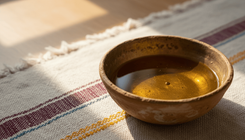
Champi is the traditional Indian practice of massaging oil into the hair and scalp. It is far more than grooming: in Ayurveda, the ancient system of healing rooted in the Vedas, champi is understood as a way to calm the nervous system, nourish the mind and keep the three doshas—Vata, Pitta and Kapha—in balance. When you oil your hair with intention, you are doing something that ancestors across the Indian subcontinent have done for thousands of years, and your body recognises it.



Why the scalp matters in Ayurveda
In Ayurvedic thought, the head is the seat of all the senses and the home of the nervous system. The scalp itself is extremely permeable: what you apply to it reaches deep into the tissues and influences your entire being. Vata dosha, which governs movement and the nervous system, tends to accumulate in the head and ears. When Vata is high, the mind becomes restless, sleep is poor and anxiety rises. Regular oiling of the scalp settles Vata by grounding the energy that would otherwise scatter.
Different oils suit different constitutions. Sesame oil, warm and heavy, is calming to Vata and Kapha but may be too heating for someone with strong Pitta. Coconut oil has a cooling quality and is especially good for balancing Pitta and for use in hot climates or seasons. Brahmi oil, infused with the cooling herb brahmi, or brahmi mixed into coconut oil, is traditionally used to cool an overheated mind. The choice of oil is not arbitrary: it is matched to what your body and mind need at that moment.
How champi fits into daily life
In many Indian households, champi is woven into the weekly rhythm rather than a daily chore. Some families oil the hair once a week, often on a specific day traditionally considered auspicious for bathing and grooming. Others do it more frequently in winter, when the air is drier and oil is needed more. In some regions, particularly in South India, oiling before a bath is still common practice. The day and frequency vary by family, by region and by season, but the principle remains: regular contact with oil keeps the scalp and hair roots healthy.
The practice is not rushed. Unlike a quick shampoo, champi invites you to slow down. You sit or lie in a comfortable place, warm the oil in your hands, and work it through your hair in a rhythm that feels natural to you. Some people massage in circular motions at the crown; others work from the roots downward in gentle strokes. The scalp gets most attention, but the oil is also worked through the length of the hair, especially the ends, which are most prone to dryness. The length of the massage varies—anywhere from ten minutes to half an hour—depending on how much time you have and how much your scalp and mind need the work.
Preparing and using oil
Before applying oil, it should ideally be warmed. Warm oil penetrates better than cold oil and is more soothing to the nervous system. You can warm it by pouring it into a small bowl and setting that bowl in warm water, or by warming it gently in your hands. Never heat oil directly on a flame, as this damages its properties. The amount is personal—enough to coat the scalp and hair without dripping everywhere or requiring a full bottle.
Some people add dried herbs to their oil weeks in advance, letting the herb's properties infuse into the base oil. Neem, known for its cleansing action, brahmi for cooling, and hibiscus for strengthening are common choices. Others prefer to buy pre-made herbal oils from an Ayurvedic supplier. The ritual is what matters most: the act of pausing, of touching your own head with care, of letting the warmth and weight of the oil settle your mind.
After the oil goes in
Once the oil is worked through, it should sit. Leaving the oil on for at least twenty minutes allows it to penetrate. Many people prefer to leave it on for longer—an hour or even overnight if they are doing a deeper treatment. During this time, you can rest, read, or go about your day. Some traditions suggest wrapping the head loosely in a soft cloth to keep the warmth in. When you are ready, shampoo as usual. It may take two washes to remove all the oil; this is normal and not a failure of the practice.
The timing matters too. Champi done in the morning energises and clarifies the mind for the day ahead. Champi done in the evening calms and prepares you for sleep. Many people find that oiling before bed helps them sleep more deeply. Again, this is personalised: you choose the time that fits your life and what you need.
Regional and seasonal shifts
The practice of oiling varies across India. In Kerala and other parts of South India, coconut oil dominates because it grows locally and suits the hot climate. In the north, sesame oil is more traditional. In monsoon season, when dampness is high, some people oil less frequently to avoid trapping moisture, while in winter and dry seasons, oiling becomes more regular. These adjustments are not rigid rules; they are common-sense responses to climate and what you observe happening to your own hair and skin.
Some families have particular times when oiling is especially valued. Before major festivals or family events, a thorough oiling may be part of preparation, as a way of honouring yourself and settling into the occasion. Mothers often oil their children's hair with particular care. Grandmothers pass down their preferred oils and techniques to grandchildren. The ritual carries memory and relationship as much as it carries the oil itself.
How to do champi
- Warm the oil Pour your chosen oil into a small bowl and set it in warm water for a few minutes, or warm it gently between your hands. The oil should be pleasantly warm, not hot. Test it on the inside of your wrist first.
- Part and apply Using your fingers or a small brush, part your hair into sections and apply the warm oil directly to your scalp. Work from the crown downward, making sure the roots receive oil. Then work the oil through the length of your hair, paying special attention to the ends.
- Massage the scalp Using your fingertips, gently massage your scalp in slow, circular motions or long strokes from crown to nape. Spend several minutes here, as the scalp is where most of the benefit happens. Breathe slowly and let your mind settle with the rhythm of your hands.
- Let it absorb Once the oil is distributed, leave it on for at least 20 to 30 minutes. For a deeper treatment, leave it on for an hour or overnight. You can wrap your head loosely in a soft cloth to keep the warmth in and protect your pillowcase.
- Shampoo gently When you are ready, wet your hair with warm water and shampoo as usual. You may need to shampoo twice to remove all the oil. Rinse thoroughly with cool water to close the cuticles and add shine.
Common questions
How often should I do champi?
Most traditions suggest oiling once a week, though this varies by season and individual constitution. In winter or dry climates, weekly oiling is common. In monsoon or for Pitta-dominant constitutions, oiling may be less frequent. Some people oil several times a week, while others do it less often. Pay attention to how your hair and scalp feel and adjust accordingly.
Can I use coconut oil if I have oily hair?
Coconut oil is cooling and works well for Pitta constitutions, including those prone to oiliness and inflammation. However, if your hair is already oily, use less oil and leave it on for a shorter time—perhaps 15 to 20 minutes rather than an hour. Brahmi-infused coconut oil is particularly good for oily, overheated scalps, as brahmi has an additional cooling quality.
Is it better to do champi on wet or dry hair?
Champi is typically done on dry hair before shampooing. This allows the oil to penetrate the scalp and roots fully. Applying oil to hair that is already wet dilutes the oil and reduces its benefit. Warm the oil, apply it to dry hair and scalp, massage gently, and then leave it to absorb before washing.

Related Articles


