
Chaitra Month Traditions: Why This Month Opens the Year
New year, new season, new beginning

Sunil Chaurasia
22 Nov 2026 • 6min
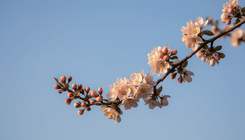
Chaitra month is the beginning of the Hindu lunar year. If you follow the Indian calendar, this is when the year resets and the spring season arrives. Many of the traditions observed during Chaitra mark this threshold: they celebrate renewal, acknowledge the changing season, and set a spiritual tone for the months ahead. Understanding these traditions connects you to a calendar that has guided Indian life and worship for thousands of years.



When Chaitra Occurs
Chaitra falls between mid-March and mid-April in the Gregorian calendar. The exact dates shift each year because the Hindu lunar calendar is based on the moon's phases, not fixed solar dates. The month begins with the new moon (amavasya) and ends with the full moon (purnima). Throughout India, regional calendars may name the month slightly differently or observe its festivals with different emphases, but Chaitra itself marks the same astronomical turning point everywhere: the start of spring and the year's renewal.
Ugadi and Gudi Padwa: Regional New Year Celebrations
In South India, Chaitra's first day is celebrated as Ugadi in Telangana and Andhra Pradesh, and as Gudi Padwa in Maharashtra. These are the region's new year festivals. On Ugadi, families prepare a special dish called ugadi pachadi—a mix of sweet, sour, salty and bitter tastes—symbolising that the year will bring all kinds of experiences. In Maharashtra, the gudi (a bamboo pole decorated with cloth and gourds) is raised outside homes to mark the occasion. Both celebrations involve wearing new clothes, visiting temples, and gathering with family. Though the names differ, the meaning is shared: Chaitra brings the community's formal fresh start.
Navaratri Begins at Chaitra's End
As Chaitra progresses toward its full moon, preparation grows for Navaratri—the nine nights dedicated to the Goddess. In many regions, Chaitra Navaratri (also called Vasant Navaratri or spring Navaratri) begins on the day after the new moon and runs for nine days. Devotees fast, perform puja, and recite scriptures focused on the Goddess's victory over darkness and ignorance. The festival culminates in Dussehra, which falls as Chaitra transitions into Vaishakha. For many households, the period from Chaitra's new moon through Dussehra is one continuous arc of spiritual practice.
Ramnavami: The Birth of Rama
Ramnavami falls on the ninth day of Chaitra's bright fortnight and celebrates the birth of Lord Rama. This is a major festival across India, though its significance is especially deep in regions with strong Rama worship traditions. Devotees visit temples, sing bhajans (devotional songs), and read passages from the Ramayana. The day is observed as a vrat (fast) in many families, and some keep a day-long fast while others observe a fruit or milk fast. Temples remain open for extended hours, and special pujas are performed. Ramnavami is a moment of joy and reverence for the ideal of dharma (righteousness) that Rama represents.
Hanuman Jayanti and Spring Renewal
Hanuman Jayanti, which celebrates the birth of Hanuman, is observed on the full moon day (Chaitra purnima) of Chaitra month. This falls at the very end of the month, as Chaitra transitions to Vaishakha. Hanuman is venerated for his devotion, strength and courage. Temples dedicated to Hanuman see large gatherings on this day, with devotees offering prayers and sometimes observing fasts. Hanuman Jayanti also marks a symbolic completion of spring's arrival: the full moon reflects light across the season's renewal.
Fasting and Worship Across Chaitra
Throughout Chaitra, many people observe vratas and spiritual disciplines. Chaitra Navratri attracts people who keep partial or full fasts for the nine days. Others observe individual vrat days linked to specific deities or family traditions. Mangal Gaur, an observance particularly popular in North India, is kept on specific days and honours the Goddess. The variety of these practices reflects how Chaitra is not a single celebration but a month structured for heightened spiritual practice. Each tradition—whether a family observance or a region's main festival—fits into the larger sense of the month as a time for inner work and outward renewal.
Chaitra in Different Regions and Sampradayas
While Chaitra marks the new year universally in the Hindu calendar, the way it is celebrated varies widely. In Gujarat, the new year is called Navaratri Sharav and begins with folk dances like garba and dandiya. In Kashmir and parts of North India, Chaitra's arrival is noted but Navaratri celebrations might not be as prominent. In South India, Ugadi preparations include specific foods and rituals that differ from Maharashtra's Gudi Padwa traditions. Even the number of days in Navaratri can differ: some regions observe nine full days, others observe seven. These differences reflect how the same month serves many traditions and many ways of beginning afresh.
What Chaitra Means to Daily Practice
For anyone following a Hindu spiritual path, Chaitra's arrival is a natural reset point. Some use it to begin a new sadhana (spiritual practice), fast more deliberately, or renew commitments to daily worship. The month's festivals, fasts and rituals create a structure that helps both newcomers and lifelong practitioners mark the year's start with intention. Even if you do not observe all of Chaitra's festivals, understanding that this month opens the year—and that your calendar's new year aligns with spring—connects your spiritual life to a rhythm that has sustained Indian culture across centuries.
Common questions
What date does Chaitra month start?
Chaitra starts with the lunar new moon between mid-March and mid-April each year. The exact date shifts annually because the Hindu calendar follows the moon's phases, not fixed solar dates. Check your panchanga (lunar calendar) each year for the precise date in your region.
Is fasting required during Chaitra month?
No, fasting during Chaitra is optional and varies by family tradition and region. Some people keep full or partial fasts during Chaitra Navaratri or on specific festival days like Ramnavami, while others simply attend pujas without fasting. Many observe no particular fast at all; the month is structured for heightened practice, not strict rules.
Why is Chaitra considered the new year in Hinduism?
Chaitra marks the spring equinox and the renewal of the season, making it a natural point for the year to reset spiritually and ceremonially. Many of India's major festivals—including Ugadi, Gudi Padwa, Navaratri and Ramnavami—cluster in this month, creating a unified season of beginning and rebirth that makes it feel like a threshold.

Related Articles


