
Bathukamma: Telangana's Festival of Stacked Flowers
Blooms stacked high, prayers rising higher

Kushal K
20 Nov 2026 • 6min
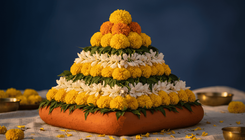
Bathukamma is a vibrant festival celebrated by women in Telangana and parts of Andhra Pradesh, in which flowers are stacked into a pyramid shape and offered in worship during the nine days of Navratri. The festival falls during the Hindu month of Ashwin, typically in September or October, though the exact dates shift each year with the lunar calendar. The word Bathukamma means "survival of the mother" in Telugu, and the ritual centres on a colourful flower offering that serves as both devotion and a celebration of the feminine divine.



The Legend of Bathukamma
The story behind Bathukamma is rooted in local tradition and regional lore. According to the most common account told in Telangana, a young woman named Bathukamma was devoted to the goddess Durga and spent her days worshipping and tending flowers. One day, she was so absorbed in her devotion that she did not notice her stepmother's plot to harm her. When the stepmother pushed her into a well, Bathukamma called out to the goddess. Durga answered her prayer and transformed her into a pile of fragrant flowers. When her family discovered what had happened, they gathered those flowers and performed a ceremony in her honour, which became the ritual known as Bathukamma.
This story speaks to themes central to the festival: the protection of the feminine, the power of devotion, and the transformation of sorrow into beauty. Different versions of this story exist across Telangana and Andhra Pradesh, and some communities hold different local narratives about the festival's origin. What remains constant is the reverence for women and the goddess that the festival expresses.
The Ritual: Building and Floating the Bathukamma
The heart of Bathukamma lies in its distinctive flower offering. Women gather flowers, most commonly marigolds, tuberose, jasmine and chrysanthemums, arranging them in a pyramid or cone shape around a base made of turmeric or ginger, or sometimes clay. The pyramid can be as tall as two feet, layered with flowers in patterns and colours. The entire construction is done with care and intention, often while singing or reciting prayers.
Once the Bathukamma is complete, women carry it in procession, traditionally moving in circles around a large tree or open space while singing folk songs called Bathukamma songs. These songs celebrate the goddess, invoke blessings for health, fertility and prosperity, and tell stories of courage and devotion. The atmosphere is joyful and communal; women of all ages gather together, reinforcing bonds of friendship and family.
After the ceremonial procession and prayer, the Bathukamma is often floated in water or left at a temple as an offering. In areas near lakes or rivers, the tradition includes immersing the flowers in water, which carries the offering to the goddess and releases the fragrance across the water. This act symbolises the completion of the prayer and the return of blessings to the community.
Bathukamma Within Navratri
Bathukamma is celebrated as part of the broader Navratri festival but holds a distinct identity in Telangana. While Navratri is observed across India with varied regional practices—Dandiya in Gujarat, Garba, Golu in Tamil Nadu and Karnataka—Bathukamma is uniquely tied to the Telugu-speaking regions and carries its own ritual significance.
Bathukamma is typically performed during Dussehra, the final days of Navratri, though in some regions celebrations begin earlier and continue through the nine days. Women perform the ritual on successive evenings, and new Bathukammas may be made each night or over several nights during the festival period. Unlike some Navratri observances that are tied to fasting or temple worship, Bathukamma is a women-centred, community-based ritual that brings neighbours and family members together in a shared act of worship.
The Flowers and Their Meaning
The choice of flowers for Bathukamma is not arbitrary; each bloom carries symbolic weight. Marigolds represent prosperity and the sun's warmth. Jasmine symbolises purity and the grace of the goddess. Tuberose carries the fragrance of devotion. Chrysanthemums represent longevity and health. The green leaves woven through the structure symbolise life and renewal.
The base of turmeric or ginger is also deliberate. Turmeric, sacred in Hindu practice, represents purification and auspiciousness. Ginger, used in Ayurveda for its warming and healing properties, connects the ritual to practices of wellness and wellbeing. The combination of flowers, herbs and the careful stacking creates a complete offering that engages the senses and the spirit.
Bathukamma Beyond Ritual
For women in Telangana, Bathukamma is more than a religious observance. It is a time of gathering, singing and sharing. The folk songs performed during Bathukamma celebrations carry stories of women's courage, wisdom and resilience. These songs, often passed down through generations, serve as a form of cultural transmission and a space for women's voices to be heard.
The festival also reflects deep ecological awareness. The practice of gathering flowers, arranging them with intention and returning them to water honours the cycles of nature. In recent decades, as communities have become more dispersed, some have adapted the practice to urban settings, creating Bathukammas in homes or public spaces and taking photographs to share. Yet the essence remains: women gathering, praying and celebrating the sacred feminine.
Today, Bathukamma continues to be celebrated with enthusiasm in Telangana, and the festival has gained recognition beyond the state. In 2017, Bathukamma was recognised as a Telangana State Festival. Efforts to preserve and revive the tradition have brought it to public attention, and younger generations are learning the songs, stories and methods of their grandmothers, keeping the practice alive even as the world around them changes.
Common questions
When exactly is Bathukamma celebrated each year?
Bathukamma falls during Navratri in the month of Ashwin, typically in September or October, but the exact dates shift annually with the lunar calendar. It is traditionally performed during the final days of Navratri, around Dussehra, though celebrations may continue across several evenings during the festival period.
Can men participate in Bathukamma?
Bathukamma is primarily a women-centred ritual, and traditionally women gather together to create and offer the flowers. However, interpretations vary by community and family, and some modern celebrations may include broader family participation while honouring the festival's roots in women's worship.
What happens to the flowers after Bathukamma is offered?
The Bathukamma is typically immersed in water or left at a temple as a completed offering. In regions near rivers or lakes, the flowers are floated on water, symbolising the return of the prayer and blessing to the community. In urban settings without natural water bodies, the flowers may be left at temples or respectfully composted.

Related Articles


