
Ayurvedic Tongue Scraping: Why and How to Do It Right
Clean Mouth, Clear Mind, Balanced Digestion

Abhilash Ramakrishna
09 Nov 2026 • 8min
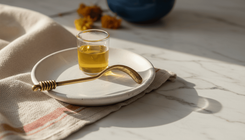
Ayurvedic tongue scraping, known as jihwa prakshalana, is one of the simplest and oldest daily hygiene practices in Ayurveda. It takes less than a minute, yet the benefits run deep: it removes ama (undigested toxins that coat the tongue), kindles your digestive fire, and reveals how your body is functioning. If you have ever woken with a white or yellowish coating on your tongue, you have already seen what needs to be cleaned away.
In modern oral care, we focus on teeth. Ayurveda teaches us to begin with the tongue. The tongue collects bacteria and metabolic waste overnight, and clearing it first thing in the morning sets the stage for better digestion, clearer skin and sharper thinking. Done alongside oil pulling, tongue scraping becomes part of a morning ritual that takes just five minutes and transforms how you feel.



What Tongue Scraping Actually Does
The coating on your tongue is not simply morning breath. In Ayurvedic terms, it is ama—the sticky residue of incomplete digestion. It tells you something true about your digestion, your sleep quality and whether your body is accumulating toxins. A thick coating suggests that digestion is sluggish or that you ate too late the night before. A thin or absent coating points to a healthier digestive fire.
When you scrape, you are not just cleaning: you are stimulating the digestive organs. The tongue is mapped to reflex points linked to your liver, pancreas, stomach and colon. By gently scraping from the back of the tongue towards the tip, you activate these connections and signal to your digestive system to wake up and work efficiently. This is why many practitioners report that tongue scraping improves appetite and digestion within a few days.
The practice also prevents halitosis. The bacteria that cause bad breath thrive in the soft white coating on your tongue. Removing it daily stops the problem at its source, far more effectively than mouthwash alone can do. Your mouth will feel fresher, and the coating will be lighter each morning as your digestive system strengthens.
Choosing the Right Scraper
Ayurveda traditionally uses a tongue scraper made of copper, silver or brass. Copper is considered especially beneficial because it has natural antimicrobial properties and balances all three doshas (constitutional types). Brass and silver work well too, and are more durable than copper. You can find these traditional scrapers online or in Ayurveda shops; many cost just a few pounds or dollars.
Avoid plastic scrapers. They are flimsy, less effective and do not carry the therapeutic qualities of metal. Stainless steel is a modern alternative if you cannot source traditional metals, though it is not as highly regarded in classical Ayurveda. A good scraper has a gentle curve, with handles that fit comfortably in your hand. The curved edge should be smooth enough not to scratch delicate tissues, but firm enough to remove the coating in one or two passes.
Clean your scraper after each use by rinsing it under warm water. Once a week, you can soak it in hot water with a pinch of salt to sanitise it thoroughly. A well-made metal scraper will last many years, so the initial investment pays off quickly.
How to Scrape Your Tongue
The best time to scrape is in the morning, before you drink water or eat. Your digestion is still resting, and the coating is thickest. Here is the basic method: stand in front of a mirror, stick out your tongue gently, and place the curved edge of the scraper at the very back of your tongue. In one smooth motion, draw the scraper towards the tip of your tongue. Repeat this 5 to 10 times, rinsing the scraper between strokes. You will see the white or yellowish buildup come off.
Work gently. You are not scrubbing; you are gliding. If you are too forceful, you can irritate the delicate tissues of your tongue, which will defeat the purpose. Some practitioners prefer three passes; others do ten. Listen to your tongue—when you stop seeing buildup and the surface feels clean and smooth, you are done. The whole process takes 30 to 60 seconds.
After scraping, rinse your mouth with warm water. Many people then practise oil pulling (swishing oil through the mouth for five to ten minutes), which complements the scraping beautifully. Oil pulling soothes the tissues of your mouth and further removes bacteria and toxins. If you do both, scrape first, then oil pull afterwards.
Oil Pulling: The Practice That Follows
Oil pulling, or kavala graha, is an ancient Ayurvedic technique that works hand in hand with tongue scraping. It involves swishing about a teaspoon of oil—sesame, coconut or ghee—through your mouth for 5 to 20 minutes each morning. The oil draws out toxins, a process Ayurveda calls kawala, and cleanses the mucous membranes of your mouth, throat and sinuses.
Sesame oil is traditionally preferred, especially for balancing vata (the dosha associated with movement and dryness). Coconut oil is cooling and good for pitta (the dosha of heat and metabolism), while ghee is nourishing and versatile. Start with five minutes and gradually extend to ten as you grow accustomed to the sensation. Do not gargle; simply keep the oil moving gently around your mouth and between your teeth. Your jaw may tire at first—this is normal.
The oil will turn thicker and whitish as it mixes with saliva and absorbs toxins. When your time is up, spit the oil into a bin, not down the sink (oil can block drains). Rinse your mouth thoroughly with warm salt water, then drink a glass of warm water to support your digestive fire. You can eat breakfast 15 to 20 minutes later.
Making It a Morning Habit
Neither tongue scraping nor oil pulling demands much: five minutes in total, five days a week. Many Ayurvedic practitioners suggest doing both together as part of your dinacharya, the daily routine that keeps you well. If you are new to these practices, start with just tongue scraping for a few weeks, then add oil pulling once it feels natural. Your mouth will feel cleaner, your breath fresher and your digestion noticeably stronger within a fortnight.
The true gift of these practices is that they teach you to listen to your body. Each morning, your tongue shows you the state of your digestion and overall health. A thin coating means your agni (digestive fire) is strong. A thick one invites you to eat lighter, sleep earlier or examine what is burdening your digestion. Over time, tongue scraping becomes less about scrubbing away coating and more about tuning into your body's daily message.
Tongue Scraping and Oil Pulling
- Prepare your scraper Rinse your metal tongue scraper (copper, brass or silver) under warm water. Have a mirror and bin within reach, and make sure you have not yet eaten or drunk anything.
- Scrape your tongue Open your mouth, stick out your tongue gently and place the curved edge at the back. In one smooth motion, draw it forward to the tip. Repeat 5 to 10 times until the coating is gone, rinsing the scraper between strokes. Work gently—you are gliding, not scrubbing.
- Rinse your mouth Rinse thoroughly with warm water to clear away the loosened coating and any remaining debris from your mouth and throat.
- Measure your oil Pour one teaspoon of sesame, coconut or ghee into a small spoon. If you are new to oil pulling, start with a smaller amount; you will not need more than a teaspoon to work effectively.
- Begin oil pulling Put the oil in your mouth and start swishing gently through your teeth and around your gums. Keep moving it without gargling. Work at your own pace—five minutes is a good starting point, and you can extend to ten as you adapt.
- Finish and discard When your time is up, spit the oil (which will be thicker and whitish) into a bin. Never pour oil down the sink as it will solidify and block the pipes.
- Rinse and drink water Rinse your mouth thoroughly with warm salt water, then drink a glass of plain warm water to support your digestion. Wait 15 to 20 minutes before eating or drinking anything else.
Common questions
Should I scrape my tongue every single day?
Yes, daily tongue scraping gives the best results for digestion and oral health. If your schedule is very tight, five days a week is acceptable, but consistency matters more than perfection. Most practitioners see visible improvement—a thinner coating and fresher mouth—within two weeks of daily practice.
What if my tongue coating does not go away after scraping?
A very thick coating that persists despite daily scraping may signal weak digestion, overeating, or eating too late in the evening. This is worth addressing: try eating a lighter dinner two hours before bed and drinking warm water with ginger first thing in the morning. If it continues beyond a month, consult an Ayurvedic practitioner.
Can I oil pull if I have sensitive teeth or mouth ulcers?
If you have active ulcers or very sensitive tissues, wait until they heal before starting oil pulling, as the friction and saliva mixing can irritate fresh wounds. For sensitive teeth, coconut oil is gentler than sesame. Start with three minutes rather than five and increase gradually as your tissues adapt.

Related Articles


