
Ayurvedic Khichdi: Why It's the Traditional Comfort Food
Nourishment Made Simple, Digestion Made Easy

Aditya Pandey
16 Nov 2026 • 8min
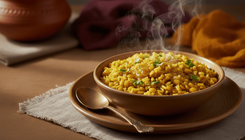
Ayurvedic khichdi is the foundation of healing in Ayurveda. It's a one-pot meal made from rice and moong dal in equal parts, cooked until soft and seasoned with spices like cumin, turmeric and ghee. When your digestion is weak, your body is tired or you're recovering from illness, ayurvedic khichdi gives your digestive fire exactly what it can handle. It's not comfort food by accident—it's designed as medicine.



Why Khichdi Works in Ayurveda
Ayurveda divides foods by how easy or hard they are to digest. Khichdi sits at the easiest end. The combination of rice and moong dal is complete: it contains carbohydrate, protein and healthy fat in proportions your body recognises immediately. When these three cook together for a long time, they break down into a soft, almost pre-digested state. Your digestive system doesn't have to work hard to extract what it needs.
This matters more than you might think. Ayurveda teaches that poor digestion is the root of most health troubles. When your agni—your digestive fire—is weak, even nutritious food becomes toxins in your body. Khichdi respects a weak agni. It doesn't demand effort. Instead it nourishes gently while giving your system time to recover and rebuild.
Moong dal in particular is prized in Ayurveda because it's the lightest and most balancing of all legumes. It's easier to digest than other dals, and it doesn't increase gas the way chickpeas or black lentils do. Rice is neutral and grounding. Together they form a pair that works for most people, across most constitutions.
The Three Doshas and Khichdi
Ayurveda describes three constitutional types, or doshas: Vata, Pitta and Kapha. Each dosha has different needs, and khichdi can be adapted to suit them.
For Vata types, who tend toward dryness, worry and irregular digestion, khichdi cooked with warming spices and plenty of ghee is deeply settling. Add ginger and black pepper to kindle agni without irritating. The warm, oily, stable quality of this version counters Vata's tendency to scatter and move.
Pitta types, prone to heat and intensity, benefit from khichdi made with cooling spices and less oil. Coriander, fennel and a pinch of cumin are gentler choices than chilli. Some Pitta people do better with a little more water, making it slightly less thick, as this cools further.
Kapha types often have sluggish digestion and tend toward heaviness. Their khichdi should include more stimulating spices—black pepper, ginger, a touch of chilli—and use less ghee and oil overall. This version moves stagnation and wakes up a slow agni.
The base recipe stays the same. The spices change. This is why khichdi is so valued in Ayurvedic practice: it's one meal that can be tuned to many constitutions.
How to Make Simple Khichdi
The basic proportions are equal parts rice and moong dal by volume: one cup of each is enough for two or three people. Wash both well.
Warm ghee in a heavy pot and add the spices whole—cumin seeds, peppercorns, and a small piece of ginger—then add the washed rice and dal and stir for a minute. This releases their flavours into the ghee. Pour in four cups of water and bring to a boil. Lower the heat to a gentle simmer, cover with a lid, and cook for about 30 minutes until everything is soft and creamy. If it seems too thick, add more hot water. If it's too loose, cook uncovered for a few minutes longer.
The result should be like a thick porridge, soft enough to eat with a spoon. A pinch of salt and fresh cilantro finish the dish. Some people add a squeeze of lemon juice just before serving; this boosts agni.
Khichdi tastes better when made with care and eaten slowly, in a calm setting. Ayurveda teaches that how you eat matters as much as what you eat. Rushing or eating in stress impairs digestion even if the food is perfect.
Khichdi as a Mono Diet
In Ayurveda, a mono diet—eating one simple food for a period—is used to rest the digestive system or clear toxins. Eating only khichdi for three to seven days is called a khichdi cleanse or kitchari fast. It's not the same as fasting entirely; you're nourished, but your system is given a break from processing variety.
A mono diet of khichdi is gentler than juice fasting or water fasting, and it's suitable for people whose health is fragile. If your digestion is very weak, or you're recovering from illness, eating only khichdi for a few days allows your body to heal rather than spending energy on digestion.
During a khichdi mono diet, serve the dish warm at each meal. Drink warm water or digestive herbal teas. Avoid cold drinks, raw foods and anything else that requires more agni. Rest well and avoid strenuous activity. Many people report that three days on khichdi leaves them feeling clearer, lighter and more energetic once they return to normal eating.
This practice is not the same as a restrictive diet. It's a temporary support, used thoughtfully, usually for a few days or a week at most. It's not something to do constantly or without guidance if you have a serious health condition.
When Khichdi Is Not Enough
Khichdi is healing, but it's not a complete treatment. In Ayurveda, it's one tool in a larger picture that includes herbs, oil massage, daily routines and changes to diet and lifestyle.
If you have a diagnosed condition—chronic inflammation, autoimmune disease, diabetes or any other serious complaint—khichdi is a support, not a substitute for professional care. An Ayurvedic practitioner can assess your constitution and recommend whether a khichdi mono diet suits you, and for how long. They can also suggest which spices and additions will work best for your particular imbalance.
Khichdi is also not ideal if you have a severe food allergy, especially to rice or legumes. And if you have anemia or certain mineral deficiencies, eating only khichdi for extended periods may not provide enough iron or calcium without supplementary guidance.
In normal use, khichdi is safe and nourishing. It's a food that most people tolerate well. But Ayurveda is precise about matching treatment to the person, not the disease. What heals one person might not suit another.
Making Simple Ayurvedic Khichdi
- Prepare the ingredients Measure one cup each of rice and moong dal. Wash both grains well in cold water until the water runs clear, then set aside to drain.
- Toast the spices Warm two tablespoons of ghee in a heavy pot over medium heat. Add one teaspoon cumin seeds, a few black peppercorns, and a small piece of fresh ginger sliced thin. Toast for about one minute until fragrant.
- Add grains and water Stir the washed rice and dal into the toasted spices, coating them well in ghee. Pour in four cups of water and add a pinch of salt. Bring to a boil over high heat.
- Simmer until soft Lower the heat to a gentle simmer, cover the pot with a lid, and cook for about 30 minutes until the rice and dal are completely soft and the mixture is creamy and porridge-like.
- Adjust consistency If the khichdi seems too thick, add more hot water a little at a time. If it's too loose, cook uncovered for a few more minutes to reduce the liquid.
- Finish and serve Remove from heat, stir in a pinch of turmeric if you haven't already, and taste for salt. Top with fresh chopped cilantro and a small knob of ghee. Serve warm and eat slowly in a calm setting.
Common questions
How long should I eat only khichdi on a mono diet?
A khichdi mono diet typically lasts three to seven days. This is long enough to rest your digestive system without depleting your energy. If you're new to this practice or have a health condition, consult an Ayurvedic practitioner before beginning.
Can I eat khichdi every day?
Yes, khichdi is nourishing enough for daily eating, especially during recovery or when your digestion is weak. Many people eat it regularly as part of a balanced diet. However, long-term eating of only khichdi alone, without other foods, should be guided by a practitioner.
What's the difference between regular khichdi and ayurvedic khichdi?
Ayurvedic khichdi follows traditional proportions and cooking methods designed to support digestion: equal parts rice and moong dal, slow cooking until very soft, and the addition of warming spices like cumin and turmeric. Regular comfort-food versions may use different ratios or skip the meditative approach to eating.

Related Articles


