
Avahana and Visarjana: Inviting and Bidding Farewell to the Deity
Welcome and release with intention and devotion

Abhilash Ramakrishna
14 Nov 2026 • 8min
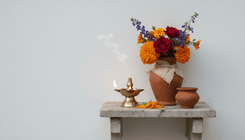
When you set up a puja at home, avahana is the moment you formally invite the deity to enter your space and your worship. It is the bridge between preparing the altar and addressing the divine presence directly. Avahana means calling or summoning, and visarjana means releasing or dispatching. Together, they frame the sacred encounter: you welcome the deity with intention and mantras, conduct your worship, then bid them farewell with gratitude. Understanding these two practices deepens your connection to the ritual and ensures you treat the sacred exchange with respect.



Why Avahana and Visarjana Matter
Avahana and visarjana are not ornamental. They mark the boundary between ordinary time and sacred time, between your home as a living space and your home as a temple. When you perform avahana, you are creating a conscious container for worship. You are saying: this space, this moment, this action is devoted to encountering the divine. Visarjana closes that container honourably, acknowledging that the deity's presence was a gift, not a possession.
In many sampradayas, or traditions, these acts are considered essential rather than optional. Without avahana, worship can feel hollow or incomplete. Without visarjana, you may leave the sacred space without proper closure, which some believe can leave you or your home in an unclear state. Whether you follow this view or not, performing both practices builds a sense of intentionality and reverence that many worshippers find makes puja more meaningful.
Preparing the Space Before Avahana
Before you call the deity, prepare your altar. Clean the space physically and mentally. You might bathe or wash your hands, change into clean clothes, and light incense to purify the air. Arrange your offerings: flowers, incense, a water vessel, fruit, sweets or whatever feels appropriate for the deity and your means. Some people place a cloth or mat in front of the deity's image or murti, where the deity's subtle presence is understood to be invited.
The preparation is part of the invitation. You are not inviting someone casually; you are saying that you have readied your space. Many traditions suggest lighting a lamp or candle at this point, though this is optional and depends on your safety and local custom. If you work in front of a printed image, a statue, or even a symbolic object like a stone or plant, the principle is the same: you are creating a focal point where presence will be invited.
Performing Avahana: The Invocation
Avahana typically involves a mantra or a series of gestures and words. The specific mantra depends on the deity, your sampradaya, and your personal practice. A common and simple approach is to chant the deity's name three times or recite a simple invocation such as, "I invite [deity's name] to be present in this worship," or words to that effect in your own language. Many people use Sanskrit phrases such as "Ganapati avahayami" (I invoke Ganesha) or simply speak from the heart.
If you are following a written liturgy or parampara, or lineage, use the avahana prescribed there. If you are practising alone, trust your own sincerity. The mantra is a vehicle for your intention, not a password that only works if pronounced perfectly. As you chant or speak, visualise the deity arriving in the space. Some traditions teach that you should gesture invitingly with your hands, or offer a flower or water as a welcome. The physical gesture, whether bowing, opening your palms, or moving your hand from outside the altar inward, reinforces the mental act of invitation.
Many people find it helpful to pause after avahana and sit quietly for a moment. This gives you time to settle into the presence you have invited, to shift from preparation into actual worship.
What Happens During Puja After Avahana
Once avahana is complete, the deity is understood to be present and attentive. Proceed with whatever worship you have planned: offer flowers, water, incense, light, and food according to your practice. Chant mantras, sing hymns, or sit in meditation. If you have petitions or prayers, express them now. The deity is not literally occupying your altar as a physical being, but a sacred presence is understood to be focused there, responsive to your devotion.
This is why many traditions emphasise purity of intention during this time. You are not alone in your space; you have invited a conscious presence. Some worshippers feel a shift in the atmosphere, a sense of calm or attentiveness. Others feel nothing obvious, but trust that the ritual creates a real effect regardless. Both experiences are valid.
Performing Visarjana: The Dismissal
When your worship is complete, perform visarjana to formally release the deity. Like avahana, this typically involves a mantra, a gesture, or both. A simple approach is to say, "I release you, [deity's name], with gratitude for your presence," or a phrase in Sanskrit such as "Ganapati visrijayami" (I release Ganesha). Some traditions teach you to bow or gesture outward, reversing the inward gesture of avahana.
Visarjana is not dismissive or rude. It is closure and gratitude. You are acknowledging that the deity has come at your invitation, been present during your worship, and now returns to their cosmic form or abode. Many worshippers offer a final flower, water, or pradakshina (circumambulation) before visarjana, as a gesture of thanks.
Some traditions distinguish between temporary dismissal, used when you plan to resume worship the same day, and permanent dismissal, used at the end of extended worship. If you are performing daily puja, you may use a simpler visarjana each time. The principle is always the same: you are closing the sacred frame with respect.
After Visarjana
Once visarjana is complete, the ritual space gradually returns to ordinary time. Some worshippers sit quietly for a moment, allowing the shift. Others distribute prasad, the blessed food offering, to family members or consume it themselves. You can now extinguish any lamps or candles safely, tidy the altar, and return to your day.
A common question is whether you must dispose of flower offerings or water in a particular way after puja. Many traditions suggest placing flowers and water at the base of a plant or tree, or in running water, treating them respectfully as they once held sacred purpose. This is a matter of local custom and your own values. The core principle is to avoid treating the offerings carelessly, which would contradict the reverence of the ritual.
Variations Across Traditions
The specifics of avahana and visarjana vary considerably. Some Shaivite traditions use elaborate visualisations and Sanskrit verses. Some Vaishnava sampradayas emphasise emotional surrender in the invitation. Bhakti practices might centre on singing or call-and-response. Tantric practices may include complex mudras, or hand gestures, and mandalas. Your own practice might be very simple: a moment of focus and a few words. None of these approaches is more "correct" than the others; they are different expressions of the same act: respectfully inviting and releasing the sacred.
If you are learning from a teacher or a particular text, follow that guidance. If you are creating your own practice, let your approach be sincere and consistent. Over time, the ritual will become second nature, and you will develop a felt sense of what works for you.
Perform Avahana and Visarjana in Your Home Puja
- Prepare your space Clean the altar and arrange offerings such as flowers, water, incense, and food. Light a lamp or candle if it is safe to do so. Bathe or wash your hands and sit in front of your focal point of worship.
- Perform avahana Chant the deity's name three times or speak an invocation in Sanskrit, English, or your own language. Visualise the deity arriving in the space. You may offer a flower or water as a welcome, or make an inward gesture with your hands.
- Conduct your puja Offer flowers, water, incense, light, and food. Chant, meditate, sing, or pray according to your practice. Remain conscious of the sacred presence.
- Offer thanks When worship is complete, offer a final flower or gesture of gratitude. Bow or circumambulate the altar if that is part of your practice.
- Perform visarjana Chant the deity's name with a release mantra, or speak words such as 'I release you with gratitude.' Make an outward gesture if you wish. Sit quietly for a moment to allow the shift from sacred to ordinary time.
- Close respectfully Tidy the altar. Distribute prasad to family or consume it yourself. Place flowers and water at the base of a plant or tree.
Common questions
Can I perform avahana and visarjana without Sanskrit mantras?
Yes. The essence of avahana is your sincere intention to invite the deity, and the words or language you use are secondary. Many worshippers use their mother tongue or simply speak from the heart. What matters is that you are conscious and respectful.
What if I forget to do visarjana at the end of puja?
If you forget, you can perform visarjana after the fact, even hours later. Simply acknowledge the deity and formally release them with gratitude. However, it is better to make visarjana part of your routine so it becomes automatic, ensuring closure each time.
Do I need avahana and visarjana for daily puja at home?
Many traditions teach that these practices are important for all puja, even brief daily worship. However, some home practices use a simpler framework. If you are unsure, check with your teacher or the text you follow; if you are practising alone, even a minute of conscious invitation and release is valuable.

Related Articles


