
Annaprashan: The First Rice Ceremony for Your Baby
Welcome to solid food: blessing, tradition, and family

Aditya Pandey
10 Nov 2026 • 6min
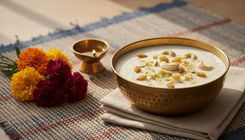
The annaprashan ceremony is a ritual that marks the moment a baby first tastes solid food. It is one of the key samskaras, or sacred rites of passage, in Hindu tradition. The word comes from anna, which means food or grain, and prashan, which means to feed or taste. For many families, this is a joyful occasion that brings relatives together, blesses the child, and formally welcomes them into the wider eating community.
This ceremony is significant because it represents a major milestone. Until now, the baby has survived on milk alone. Food is no longer just nutrition; it carries ritual meaning and family connection. The annaprashan acknowledges both the practical shift and the spiritual dimension of this stage in the child's life.



When the annaprashan takes place
Families typically perform the annaprashan ceremony between the fourth and sixth month after birth, though the exact timing can vary by region, tradition and family preference. Some perform it when the baby shows readiness to eat solid food, while others follow the guidance of a family elder or astrologer. A few families time it to align with an auspicious day in the lunar calendar, or with a particular tithi (lunar date) favoured in their tradition.
The readiness of the child always matters. Many parents watch for physical signs—the baby's ability to sit with some support, loss of the reflex to push food out with the tongue, and signs of interest in food. The ritual should feel natural, not forced to fit a calendar.
The ritual itself
The annaprashan ceremony is not standardised across India. Different regions, communities and families have their own approach, but certain elements appear widely.
The ceremony often begins with a puja, or prayer ritual, honouring the deities and seeking their blessing for the child's health and growth. The baby is typically dressed in new or special clothes. The first food offered is usually kheer, a pudding made from rice and milk, or in some traditions, plain rice mixed with ghee and jaggery. The pudding or rice is prepared with care and is often tasted by a family member first—sometimes the father, sometimes a grandfather or another respected elder—before being offered to the baby.
The elder or family member places a small amount of food on the baby's tongue or lip with their finger, speaking words of blessing. Some families involve a priest to conduct the ritual formally, while others keep it intimate and at home. After the baby has tasted the food, it is offered to other family members and guests as prasad, blessed food that carries the occasion's sanctity.
Why rice or kheer
Rice features in the annaprashan in most traditions because it is seen as auspicious, nourishing and easily digestible for a baby's developing system. Kheer carries special significance: milk (representing purity and maternal care), rice (representing growth and sustenance), and ghee (representing prosperity and well-being). Together, they embody wishes for the child's health and flourishing.
Some families offer the baby a taste of honey, salt or fruits alongside or instead of kheer, depending on regional custom. A few traditions include the baby tasting dal, or lentils, as a sign of welcoming them to the full range of family foods. The choice reflects the specific tradition and what the family believes will serve the child well.
Regional and community variations
Practices differ across India. In South Indian traditions, particularly among Tamil and Kannada-speaking families, the ceremony may be called annaprashana and might involve the baby tasting salt, jaggery and other flavours alongside the rice pudding. Bengali families often mark this with a feast and may time it to coincide with a family gathering or festival. In North Indian practice, timing sometimes aligns with the birthday or another auspicious date determined by looking at the panchanga, the Hindu calendar.
Some Jain families perform a similar rite focused on introducing plant-based foods, reflecting Jain values around non-violence. In many communities, whether the ritual involves a priest or remains a family practice at home depends on the family's custom and their closeness to temple or ritual traditions.
Preparing and performing annaprashan at home
Most families can perform the annaprashan without special materials or expertise. You will need the food to be offered—kheer or plain rice with ghee—clean utensils, and ideally a calm moment when family can gather. If you wish to include a puja, you might light a diya (oil lamp) or place flowers, but this is not essential for the ceremony's validity.
The key is intention and presence. Bathe the baby and dress them in fresh clothes if possible. If a family elder or grandfather is present, they might lead the offering, though either parent can do this. Place a tiny amount of food on the baby's tongue, speak words of blessing—whether from tradition or from your heart—and offer the remaining food to those present as prasad. The ceremony might last minutes or an hour; there is no fixed duration.
What matters is that you mark the moment consciously. You are acknowledging a shift in the child's life, inviting family blessings, and creating a memory that will be part of the child's family story.
Common questions
How old should a baby be for annaprashan?
Most families perform the annaprashan between four and six months after birth, though this varies by tradition. The exact age is less important than the baby's readiness to taste solid food and the family's choice of an auspicious timing. Watch for physical signs like the baby's ability to sit with support and loss of the reflex to push food away.
Can annaprashan be done at home or must it be in a temple?
Annaprashan can be performed at home or in a temple; both are equally valid. Many families keep it simple and intimate at home, lighting a diya and gathering close family. Others involve a priest or perform it during a temple visit. The ceremony's power lies in the family's intention, not the location.
What if my baby refuses the food during the ceremony?
It is completely normal for a baby to reject food, cry, or show no interest during the ceremony. The ritual is a blessing and a marking of the moment, not a test of the baby's eating ability. You can offer a tiny taste, or simply place the food near the baby's lips while speaking your blessing. The ceremony is about intention, not performance.

Related Articles


