
Akshaya Tritiya: Why the Never-Diminishing Day Is Special
The Day When Abundance Never Fades

Kushal K
12 Nov 2026 • 6min
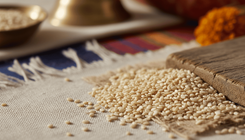
Akshaya Tritiya is celebrated as the auspicious day when abundance, prosperity and resources never diminish. The word akshaya means inexhaustible or imperishable, and tritiya refers to the third lunar day. This festival, observed during the spring month of Vaishakh, carries deep spiritual and material significance across Hindu tradition. It is widely believed that anything begun on this day will grow and continue without loss, making it one of the most favourable days in the lunar calendar for new ventures, purchases and charitable acts.



The Story of Eternal Nourishment
The most celebrated narrative linked to Akshaya Tritiya is from the Mahabharata, where Draupadi receives the Akshaya Patra—an inexhaustible vessel of food. When the Pandavas were exiled, they faced constant hunger and hardship. Surya, the sun god, blessed Draupadi with a magical pot that could produce endless meals, but only after she had eaten. This vessel sustained the entire household and their guests throughout the exile, never running empty. The Akshaya Patra symbolises how divine grace ensures that sustenance flows endlessly for those in need.
The day is also linked to Lord Parashurama's birth, celebrated as Parashurama Jayanti. Parashurama, the sixth avatar of Vishnu, is revered as the warrior sage who fought for justice and protected the world from tyrannical rulers. His birth on Akshaya Tritiya reinforces the theme of indestructible virtue and eternal dharma—principles that can never be diminished by wrongdoing or chaos.
Why New Ventures Begun Today Prosper
Akshaya Tritiya is considered one of the most auspicious moments in the lunar calendar for starting any new endeavour. Whether it is purchasing a home, beginning a business, commencing education or investing in gold, the day carries the energetic signature of increase and protection against loss. Jyotisha, the Vedic science of astronomy, identifies this day as ruled by favourable planetary configurations that support growth and completion.
The principle is rooted in the idea that actions performed on this day align with cosmic forces of expansion rather than contraction. Just as plants grow abundantly in spring—the season during which Akshaya Tritiya falls—human efforts also flourish when initiated at this time. This is not superstition but a reflection of how Indian philosophy understands timing, intention and the relationship between human action and natural cycles.
Giving and Charity on Akshaya Tritiya
The tradition of dana, or giving, assumes special significance on this day. Donations made on Akshaya Tritiya are believed to multiply in their impact and return. It is a time when many people make offerings to temples, contribute to community kitchens, support educational institutions or help those in need. The act of giving becomes not merely a transaction but a way of aligning oneself with the day's principle of endless abundance.
This practice is grounded in the understanding that generosity and dharma are themselves inexhaustible. The more you give, the more grows within you—not in material terms alone, but in spiritual richness and the strength of your character. Many families mark Akshaya Tritiya by feeding others, donating grains or supporting local artisans and workers who serve their households throughout the year.
Gold and Grain: Traditional Purchases
Buying gold on Akshaya Tritiya is a deeply embedded custom in many Indian households. Gold represents stored wealth, purity and permanence, and purchasing it on this day is believed to ensure that the metal itself and the wealth it represents will never diminish. This practice connects to both practical householding—maintaining a store of precious metal—and spiritual symbolism: gold bought on a day of eternal prosperity carries that quality into your home.
Similarly, purchasing grains and provisions is considered auspicious. Grain represents nourishment, security and the earth's abundance. Buying grain on Akshaya Tritiya is seen as inviting sustained nourishment and freedom from scarcity. In some regions, families specifically purchase sesame seeds, as sesame is linked to offerings and sustenance in Hindu tradition.
Regional Variations and Local Observances
The way Akshaya Tritiya is marked varies across India. In Gujarat, it is a day when many people begin new business ventures and make significant purchases. In Odisha, a dish called pakhala bhata—fermented rice—is traditionally prepared and offered, connecting the festival to agricultural cycles. In Maharashtra and Karnataka, temples see large gatherings and many people choose this day for auspicious ceremonies like engagements or house-warming rituals.
Some communities observe a partial vrat, or fast, on Akshaya Tritiya, consuming milk and fruits while focusing on prayer and meditation. Others skip the fast and instead gather for community meals or make their offerings at temples. The underlying principle remains constant across all regions: this is a day of beginning, preserving and multiplying what is good.
Aligning Your Own Practice with the Day
You can observe Akshaya Tritiya in ways that fit your life and beliefs. If you are planning a major purchase or starting a new project, choosing this day sends an intention into the world—a moment of mindfulness about beginning something important. If you practice giving, this day offers a focal point to make it more deliberate. Even setting aside time for reflection on what you wish to nurture and preserve can be a way of honouring the day's meaning.
The essential practice is to ask: what do I wish to begin that will grow? What do I wish to preserve that might otherwise fade? How can I give in a way that reflects my values? These questions connect you to the ancient understanding embedded in Akshaya Tritiya—that life itself is a gift that expands through conscious action, wise timing and generosity of heart.
Common questions
Can I buy something other than gold on Akshaya Tritiya?
Yes. While gold is most common, grain, utensils, land and tools are all considered auspicious purchases. The principle applies to any significant acquisition or investment made on this day.
What if I cannot make a purchase on Akshaya Tritiya?
The day's benefit is not limited to material transactions. Beginning a project, planting something, making a donation, or simply performing dedicated spiritual practice all honour the day's principle of multiplying what is good.
Is there a specific ritual I must follow on Akshaya Tritiya?
No single prescribed ritual applies everywhere. Some people visit temples, some fast or make offerings, others focus on charity or new beginnings. The common thread is setting conscious intention and aligning action with the day's meaning of eternal abundance.

Related Articles


