
Abhyanga: How to Do Ayurvedic Self-Massage
Nourish Your Skin, Calm Your Mind

Sunil Chaurasia
07 Nov 2026 • 6min
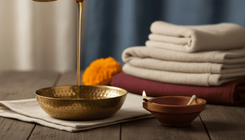
Abhyanga is the Ayurvedic practice of oiling your entire body with warm oil, using slow, deliberate strokes. It is one of the most accessible Ayurvedic rituals, something you can do at home in 15 to 20 minutes, and it rests on a simple principle: the skin absorbs what you give it, and oil nourishes the skin from outside while calming the nervous system. Abhyanga self-massage is not a luxury but a daily maintenance practice, as ordinary and grounding as brushing your teeth.



Why Abhyanga Matters in Ayurveda
In Ayurvedic thought, oil is not just a cosmetic. It is one of the most balancing substances in nature, and when applied to the skin with intention, it addresses the root cause of many modern complaints: dryness, restlessness and disconnection from your own body. Your skin is your largest organ, and Ayurveda treats it as a living membrane that communicates with the whole system. When you massage oil into your skin, you are doing more than moisturising; you are signalling to your nervous system that it is safe to slow down, and you are delivering nutrients—vitamins, minerals, antioxidants—that feed the tissue underneath.
The word abhyanga means "anointing" or "smearing". In classical Ayurvedic texts, abhyanga is named as one of the core daily practices that keep the body in balance. It is listed alongside practices like scraping your tongue and brushing your teeth: not occasional indulgences but routines that prevent imbalance before it becomes illness. Regular abhyanga is said to improve circulation, reduce pain in the joints, support better sleep, and help the body shed toxins through the skin.
Choosing Your Oil
The oil you choose matters more than the technique. Different oils have different effects on the body, and Ayurveda teaches that you should choose based on your constitution, or prakriti, and the season. Sesame oil is warming, grounding and deeply nourishing; it is good for vata imbalance—dryness, anxiety, scattered thoughts. Coconut oil is cooling and clearing; it suits pitta in summer when heat is high. Brahmi or bhringraj oils are calming to the mind and especially good for the scalp and face. Many practitioners use coconut oil in summer and sesame in winter, switching with the season.
If you do not know your constitution, start with sesame oil warmed to blood heat. Warm the oil gently on the stove or in a bowl set in hot water; never microwave it, which can damage the oil's qualities. The oil should be pleasantly warm to the inner wrist, not hot. You will use roughly a quarter-cup to half-cup of oil for the whole body, depending on your size and how much your skin drinks in.
How to Massage: Technique and Direction
Abhyanga self-massage follows a logic: you work from the head down, generally moving strokes toward the heart. The technique is not vigorous; it is slow, nurturing and rhythmic. Use the flat of your palms and fingers, not your fingernails. The pressure should be firm enough to feel the oil going in but never aggressive.
Start with your head. Pour a small amount of oil into the crown and massage it into the scalp with circular motions of all four fingers, as if shampooing. Move down to the face: use your fingertips to massage gently across the forehead, down the sides of the nose, and across the cheeks toward the ears. Oil the ears too, inside and out.
Move to the neck and shoulders. Use longer strokes down from the base of the skull, bringing the oil toward the heart. Oil your upper back as far as you can reach, using the same downward strokes. Then the chest and belly: use gentle circular motions on the belly, moving clockwise to follow the path of digestion.
Oil your arms next: long strokes from shoulder to wrist, following the bone. When you reach the joints—shoulders, elbows, wrists—massage a little longer, using circular motions. The joints hold a lot of tension and dryness; they drink in oil.
Sit down to do the legs and feet. Oil one leg at a time, using long strokes from hip to ankle. When you reach the joints—hips, knees, ankles—pause and massage in circles. Spend time on the feet; they have thousands of nerve endings, and oil on the feet is grounding. Massage the soles and the tops of the feet, between the toes, around the ankles.
Timing and Frequency
The best time to practise abhyanga is in the early morning, before you bathe. That way, the oil has time to sink into the skin and the nervous system, and then you wash it off. Many people spend 15 to 20 minutes on abhyanga and then shower. Some prefer to leave a thin coat of oil on the skin after showering, especially on the hands and feet.
If daily practice feels unrealistic, aim for three or four times a week, or even weekly. Even one abhyanga a week is better than none. Some people practise more frequently in autumn and winter, when the air is dry and vata naturally rises. In summer, or if your skin is very oily, you might practise less often or switch to a lighter oil like coconut.
After Your Massage
Once you have oiled yourself, let the oil settle for 5 to 10 minutes if you can. You can sit quietly, breathe, read something gentle. Then shower or bathe in warm water. Use a gentle soap on your armpits and genitals, but let the oil protect most of your skin; that is where the benefit is. You will find that your skin does not feel stripped or tight after the shower, the way it often does after soaping yourself all over.
Pat yourself dry gently. Dress in clean, comfortable clothes. If you have oiled your feet, wear socks to keep the oil from sliding around. Many people report that abhyanga changes their whole morning: they move more slowly, think more clearly, and carry a sense of calm into the day. That shift in the nervous system—from hurried to present—is as real as the moisturising.
Common questions
How long does abhyanga take?
A full-body abhyanga typically takes 15 to 20 minutes. Many people spend an additional 5 to 10 minutes letting the oil settle on the skin before showering. If you are short on time, even a 10-minute massage focusing on the joints and feet is worthwhile.
Can I do abhyanga at night or does it have to be in the morning?
Traditionally, abhyanga is done before bathing in the early morning, when the nervous system is freshest. However, evening abhyanga—especially a gentler version focusing on the feet—can also be calming and promote sleep. If morning does not fit your routine, any time is better than never.
What do I do if my skin is oily or acne-prone?
Use a lighter oil like coconut oil, and practise less frequently—once or twice a week rather than daily. Focus the oil on the joints, feet and scalp rather than covering the face and chest. You can also use a dry massage with a silk glove or cloth before applying a small amount of oil.

Related Articles


