
Abhishekam: Ritual Bathing and Honouring the Deity
Pouring with Devotion, Bathing in Grace

Kushal K
10 Nov 2026 • 8min
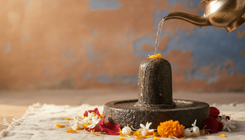
Abhishekam is a central ritual in Hindu worship where water, milk, oils, honey or other sacred liquids are poured over an idol or murti of a deity. The word comes from Sanskrit: abhi means "towards" and shikti means "to sprinkle or anoint". Through this act of ritual bathing, the devotee offers honour, devotion and care to the divine form, treating the deity as one would wash and anoint a beloved guest or family member. It is performed daily in temples and homes across India, at festivals, and during special occasions devoted to specific gods.
The practice rests on a theology that sees the murti not as a mere carving of stone or metal, but as a living presence of the divine that can receive worship and respond to devotion. In pouring water or other substances over it, the worshipper participates in an ancient act of reverence—one described in the Puranas as something the gods themselves do when honouring their own teachers.



The Meaning Behind Ritual Bathing
Abhishekam translates loosely as "sprinkling" or "anointing", but the act carries deeper significance than its simple English equivalent. When a devotee performs abhishekam, they are physically enacting their submission to the divine will, their wish to serve, and their recognition that the deity is worthy of the most precious offerings: pure water from sacred rivers, milk, honey, ghee and fragrant oils.
The ritual is also understood as purification—both of the deity's form and of the worshipper themselves. The liquids used are chosen for their auspiciousness and purity. Water from rivers like the Ganges or Yamuna carries spiritual significance; milk represents purity and nourishment; ghee symbolises prosperity; honey offers sweetness and health. By selecting these substances with care, the devotee demonstrates that no offering is too precious for the divine.
In some philosophical traditions, abhishekam represents an inversion of the usual relationship between human and divine. Normally the god blesses the human; in abhishekam, the human acts as servant, caring for and honouring the deity. This reversal deepens the devotee's sense of connection and surrender.
Abhishekam in Shiva Worship
Shiva is among the deities most frequently worshipped through abhishekam. In temples and homes devoted to Shiva, ritual bathing of the shiva lingam—the abstract, symbol form of Shiva—takes place daily, sometimes multiple times. This is called rudrabhishek or shiva abhishekam, named after Rudra, an ancient Vedic name for Shiva.
In a traditional shiva abhishekam, the lingam is bathed with water, milk, yoghurt, honey and ghee in sequence, each liquid poured with specific mantras. The order follows a believed progression from cooling, purifying substances to those that warm and nourish. The ritual concludes with the pouring of ash, which reminds the worshipper of impermanence and Shiva's role as lord of destruction and transformation.
Different temples have different protocols. In some places, abhishekam happens only at specific times—often early morning or during a festival. In others, devotees can request special abhishekams dedicated to specific intentions: for health, for removing obstacles, or for spiritual progress. The Shiva Sahasranama (the thousand names of Shiva) is often recited during these rituals, with each name corresponding to a stage of the bathing.
Panchamrita and Sacred Offerings
Panchamrita literally means "five nectars" (pancha = five, amrita = nectar). This is the mixture most commonly used in abhishekam rituals across many temples and homes. The five ingredients are milk, yoghurt, ghee, honey and sugar. Some traditions substitute jaggery for sugar, or include other variations, but these five are the most widespread.
The ratios vary by region and temple tradition. Some use equal parts of each; others adjust based on what is available or what the deity is believed to prefer. The panchamrita is mixed in a vessel and poured over the idol, often with specific rhythms and mantras. After the abhishekam itself, the panchamrita is distributed as prasad (blessed offering) to devotees, carrying the blessing of the deity back into their bodies.
Beyond the five-ingredient panchamrita, many rudrabhisheks include other materials. Vibhuti (ash), sandalwood paste, turmeric, rose water and flower-infused water are all used depending on the deity and the occasion. Some temples add fruit juices, coconut water or even water in which sacred herbs have been soaked. The substances chosen reflect the climate, the local resources and the particular sampradaya (lineage or tradition) of the temple.
Performing Abhishekam at Home
Many households maintain a small altar with an idol or image of a deity and perform simple abhishekams as part of their daily practice. A home abhishekam need not be elaborate. Plain water suffices—ideally from a sacred source, but tap water infused with intention and devotion is accepted. Some devotees use water mixed with a few drops of milk or sandalwood paste for special occasions.
The key elements are focus, cleanliness and respect. Before beginning, the worshipper should wash their hands and face, and ensure the space is clean. The murti or image is placed where it can be approached without stepping over it or turning one's back to it. Water or other liquids are poured slowly and respectfully, often while chanting a mantra or the deity's name. Flowers are often offered afterwards, and the devotee may circumambulate (walk around) the altar as a closing gesture.
The water or liquid used in abhishekam flows away naturally or is collected and disposed of respectfully—never thrown carelessly. Many devotees use this water to sprinkle in their garden, or to water plants, as a way of extending the blessing throughout the home. Some traditions specify that the water should flow downwards from the head of the idol to the feet, following the natural movement of grace.
Abhishekam Across Different Deities and Seasons
While Shiva and the shiva lingam are the most iconic forms for abhishekam, the ritual is performed for all deities. Devi, Krishna, Ganesha, Hanuman and others all receive ritual bathing in temples and homes. The substances and the mantras change according to the deity's nature and the devotee's intent.
Abhishekam is especially significant during festivals and auspicious days linked to each deity. On days marked in the panchanga (lunar calendar) as important—Shivaratri for Shiva, Krishna Janmashtami for Krishna, Durga Puja for Devi—large gatherings of devotees may perform collective abhishekams, sometimes for hours. These occasions can draw thousands of people, each waiting their turn to pour substances over the deity or to receive the blessed water as prasad.
Seasonal changes also influence the practice. In summer, cooler liquids like coconut water or rose water may be preferred; in winter, warm liquids like milk or ghee may be chosen. This flexibility within a strict ritual framework shows how abhishekam adapts to circumstance while maintaining its essential meaning: the devoted offering of care, the recognition of the divine in form, and the belief that through this physical act of bathing, both the deity and the worshipper are blessed.
Performing a Simple Abhishekam at Home
- Prepare your space and hands Wash your hands and face. Ensure your altar or worship space is clean. Place the murti or image of the deity in a position where you can approach it respectfully without stepping over it or turning your back to it.
- Gather your materials Collect water or your chosen liquid—plain water, milk, yoghurt, ghee, honey, or a mixture. Use a small vessel or cup from which you can pour steadily and respectfully.
- Pour with intention Pour the liquid slowly and mindfully over the head or upper part of the murti. Chant the deity's name, a mantra, or sacred sounds like Om as you pour. Let the liquid flow naturally downwards from the head towards the base.
- Offer flowers After the bathing, offer fresh flowers or petals at the base of the murti as a gesture of devotion and beauty.
- Close with circumambulation Walk slowly around the altar once or several times in a clockwise direction, keeping the deity on your right side. This completes the ritual and seals your offering with reverence.
Common questions
What are the five ingredients in panchamrita?
Panchamrita contains milk, yoghurt, ghee, honey and sugar. Some traditions substitute jaggery for sugar, and ratios vary by temple and region, but these five are standard across most of India.
Can I perform abhishekam with just water?
Yes, plain water is sufficient, especially for daily home practice. Water from a sacred source is ideal, but tap water infused with intention and devotion is fully acceptable. For special occasions, many devotees add milk or sandalwood paste.
What happens to the water used in abhishekam?
The water flows naturally away or is collected and never discarded carelessly. Many devotees sprinkle it in their garden or use it to water plants to extend the blessing throughout their home.

Related Articles


